Wholemeal Bread VS Rice With Vegetables And Meat
A detailed nutritional comparison
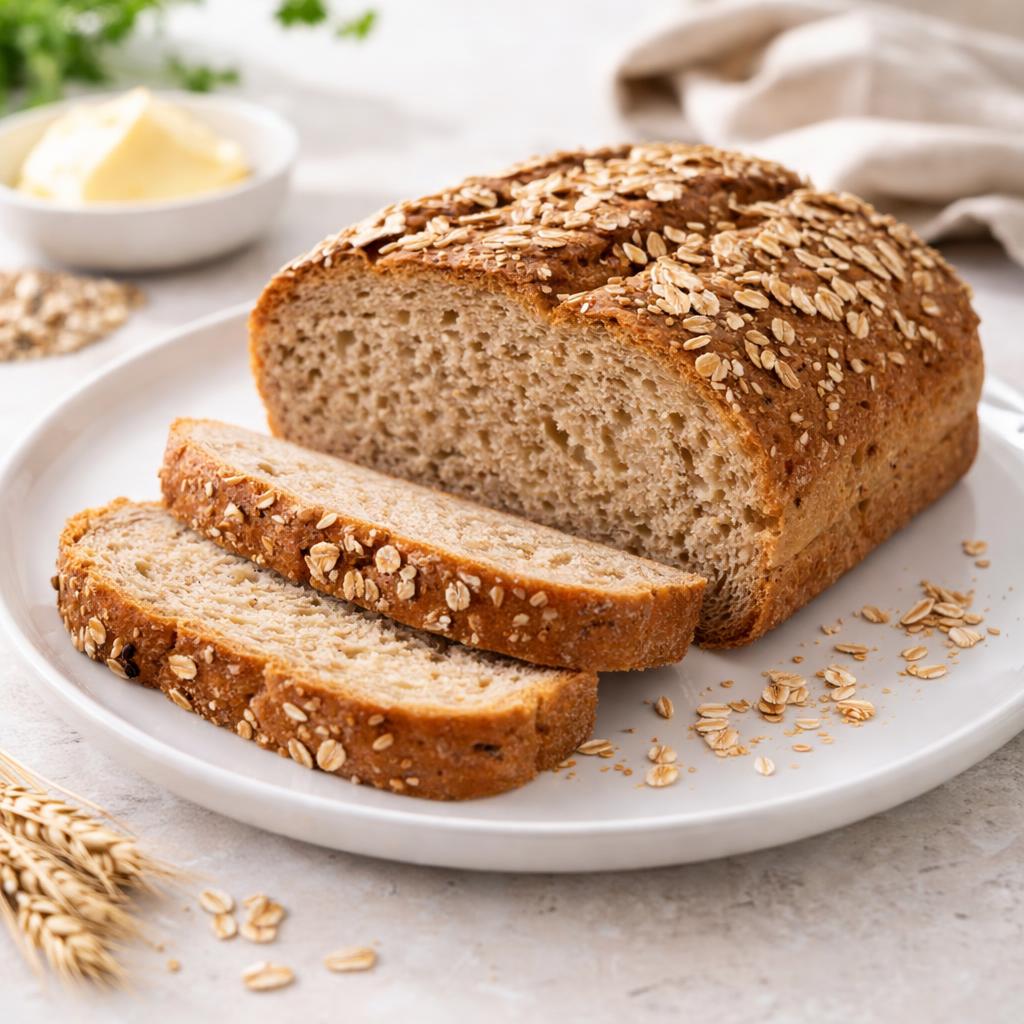
Wholemeal Bread
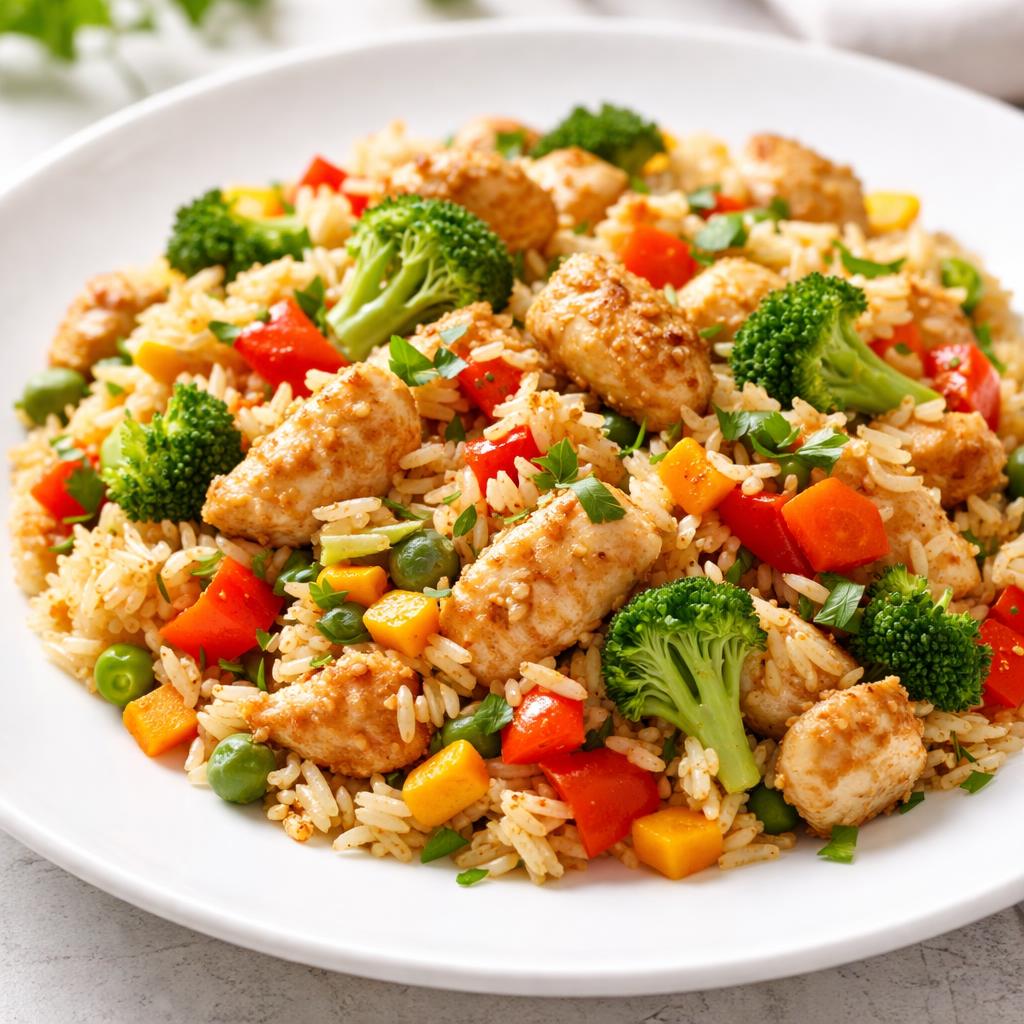
Rice With Vegetables And Meat
🎯 Quick Verdict
Wholemeal bread offers higher fiber and fewer calories, making it ideal for weight management and gut health. Rice with vegetables and meat delivers significantly more protein, vitamins, and complex nutrients, suitable for balanced meals and muscle recovery for active individuals. Both provide unique benefits depending on dietary goals.

Smart Nutrition Tracking with SnapCalorie

📊 Nutritional Comparison
Macronutrients
| Nutrient | Food 1 | Food 2 | Winner |
|---|---|---|---|
| Calories | 90 per slice (40g) | 250 per serving (1 cup) | ✓ |
| Protein | 4g per slice | 15g per serving | ✓ |
| Carbs | 16g per slice | 30g per serving | − |
| Fat | 1g per slice | 6g per serving | ✓ |
| Fiber | 3g per slice | 1g per serving | ✓ |
Vitamins & Minerals
| Nutrient | Food 1 | Food 2 | Winner |
|---|---|---|---|
| Vitamin C | 0mg | 8mg (due to vegetables) | ✓ |
| Vitamin A | 0IU | 500IU (due to vegetables) | ✓ |
| Iron | 0.7mg per slice | 2mg per serving | ✓ |
| Calcium | 30mg per slice | 40mg per serving | ✓ |
🏆 Category Winners
Protein
Food2 has nearly 4x more protein per serving due to the meat component.
Fiber
Wholemeal bread provides 3x more fiber per serving.
Calories
Food1 is roughly 64% lower in calories compared to Food2 per serving.
🥗 Diet Compatibility
Keto
Food 1: Not Compatible
Food 2: Not Compatible
Both are high-carb foods and unsuitable for keto diets.
Vegan
Food 1: Compatible
Food 2: Not Compatible
Food1 is plant-based, while Food2 contains meat.
Gluten Free
Food 1: Not Compatible
Food 2: Conditionally Compatible
Wholemeal bread contains gluten, while Food2 can be gluten-free depending on the choice of ingredients.
Paleo
Food 1: Not Compatible
Food 2: Conditionally Compatible
Wholemeal bread is not paleo, and Food2 could be made paleo by excluding grains like rice and selecting compatible vegetables and meat.
Low-Carb
Food 1: Not Compatible
Food 2: Not Compatible
Both foods contain moderate to high amounts of carbohydrates.
💪 Health Benefits Comparison
Food 1 Benefits
- Rich in fiber for promoting gut health and digestion.
- Low in calories for weight management and calorie control.
- Provides complex carbs for sustained energy.
Food 2 Benefits
- High in protein for muscle growth and recovery.
- Contains vitamins like A and C for immunity and eye health.
- Balanced macronutrients including healthy fats for energy.
✅ The Bottom Line
Choose Food1 for weight loss, gut health, and vegetarian diets, especially when optimizing for lower calories. Food2 is best suited for active individuals seeking balanced meals, muscle recovery, and a nutrient-dense option.
Choose Food 1 for: Weight management, vegetarian snacks, fiber intake
Choose Food 2 for: Post-workout meals, balanced diets, nutrient variety


