Whole Wheat Wrap VS Brown Basmati Rice
A detailed nutritional comparison
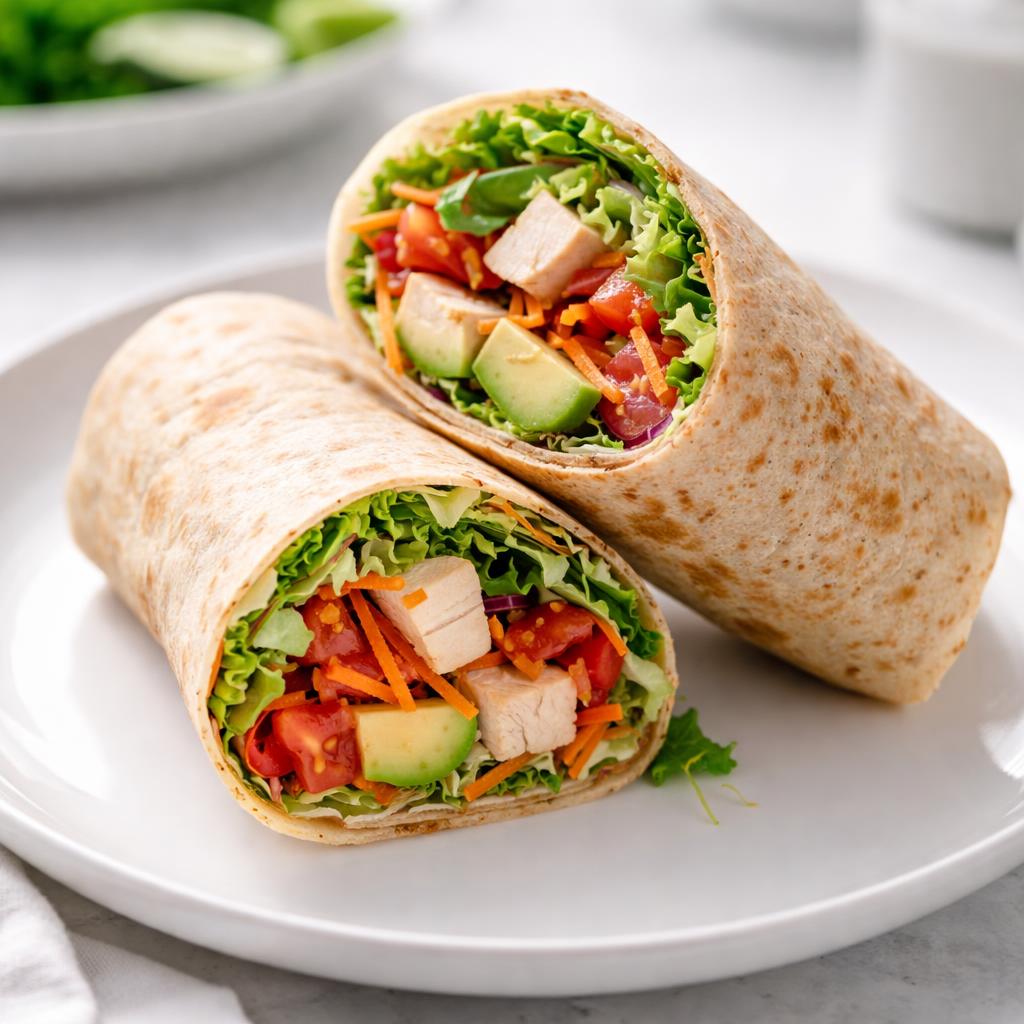
Whole Wheat Wrap
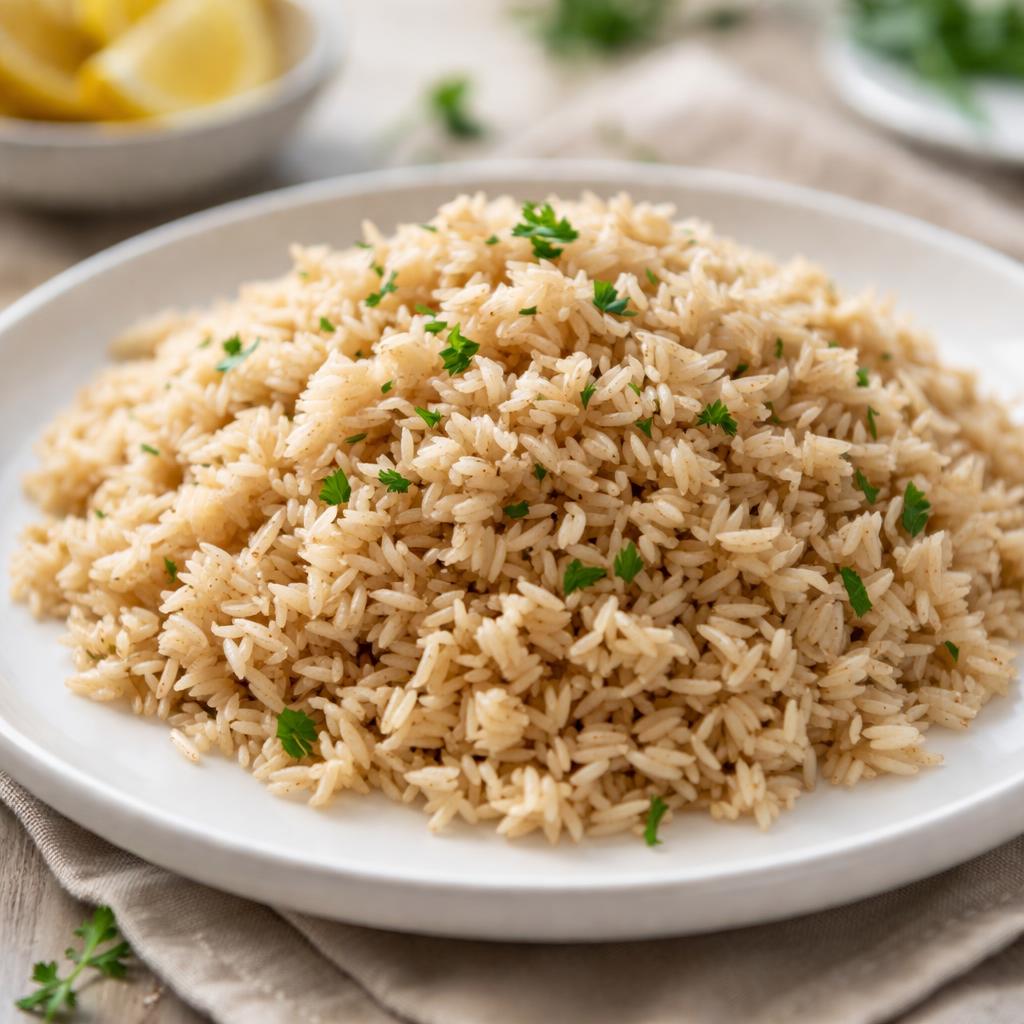
Brown Basmati Rice
🎯 Quick Verdict
Whole wheat wrap (food1) is lower in calories and provides more protein and fiber compared to brown basmati rice (food2). Brown basmati rice is a better source of carbohydrates for sustained energy. Food1 is ideal for weight management and high-protein diets, while food2 is suited for fueling endurance activities and balanced meal pairings.

Smart Nutrition Tracking with SnapCalorie

📊 Nutritional Comparison
Macronutrients
| Nutrient | Food 1 | Food 2 | Winner |
|---|---|---|---|
| Calories | 120 | 180 | ✓ |
| Protein | 6g | 3g | ✓ |
| Carbs | 22g | 39g | ✓ |
| Fat | 2g | 1g | ✓ |
| Fiber | 4g | 1g | ✓ |
Vitamins & Minerals
| Nutrient | Food 1 | Food 2 | Winner |
|---|---|---|---|
| Vitamin D | 0mcg | 0mcg | − |
| Calcium | 40mg | 10mg | ✓ |
| Iron | 1.8mg | 0.4mg | ✓ |
🏆 Category Winners
Protein
Whole wheat wrap offers twice the protein per serving compared to brown basmati rice.
Fiber
Whole wheat wrap contains four times the fiber of brown basmati rice.
Calories
Whole wheat wrap is 33% lower in calories than brown basmati rice.
Vitamins
Whole wheat wrap has more calcium and iron, while both lack Vitamin D.
🥗 Diet Compatibility
Keto
Food 1: Not Compatible
Food 2: Not Compatible
Both foods are high in carbs and unsuitable for a keto diet.
Vegan
Food 1: Compatible
Food 2: Compatible
Both are plant-based and fit into vegan diets.
Gluten Free
Food 1: Not Compatible
Food 2: Compatible
Whole wheat wrap contains gluten, brown basmati rice is naturally gluten-free.
Paleo
Food 1: Not Compatible
Food 2: Compatible
Whole wheat wrap is processed, while brown basmati rice aligns better with paleo principles.
Low Carb
Food 1: Not Compatible
Food 2: Not Compatible
Both foods are moderate to high in carbohydrates.
💪 Health Benefits Comparison
Food 1 Benefits
- High in dietary fiber for improved digestion and satiety
- Good source of plant-based protein for muscle maintenance
- Rich in iron and calcium for bone health and oxygen transport
Food 2 Benefits
- Provides complex carbohydrates for sustained energy
- Low in fat, supporting heart health
- Rich in essential amino acids for overall health
✅ The Bottom Line
Choose whole wheat wrap for weight loss, digestive health, and higher protein needs. Opt for brown basmati rice when seeking sustained energy and gluten-free options. Both foods work well in balanced diets but serve different nutritional priorities.
Choose Food 1 for: Weight management, high-protein meals, fiber-rich diets
Choose Food 2 for: Endurance activities, gluten-free lifestyles, carb-loading meals


