Whole Wheat Toast VS Rice Crackers
A detailed nutritional comparison
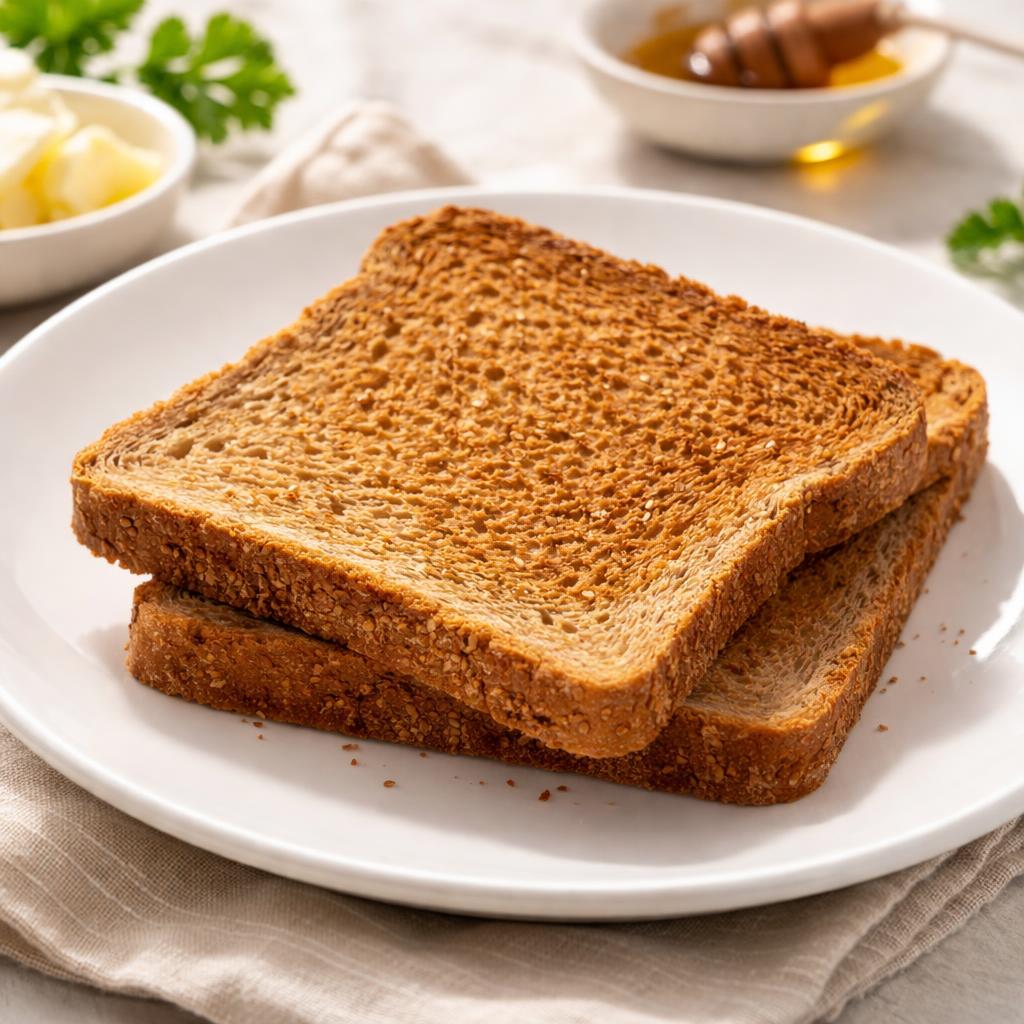
Whole Wheat Toast
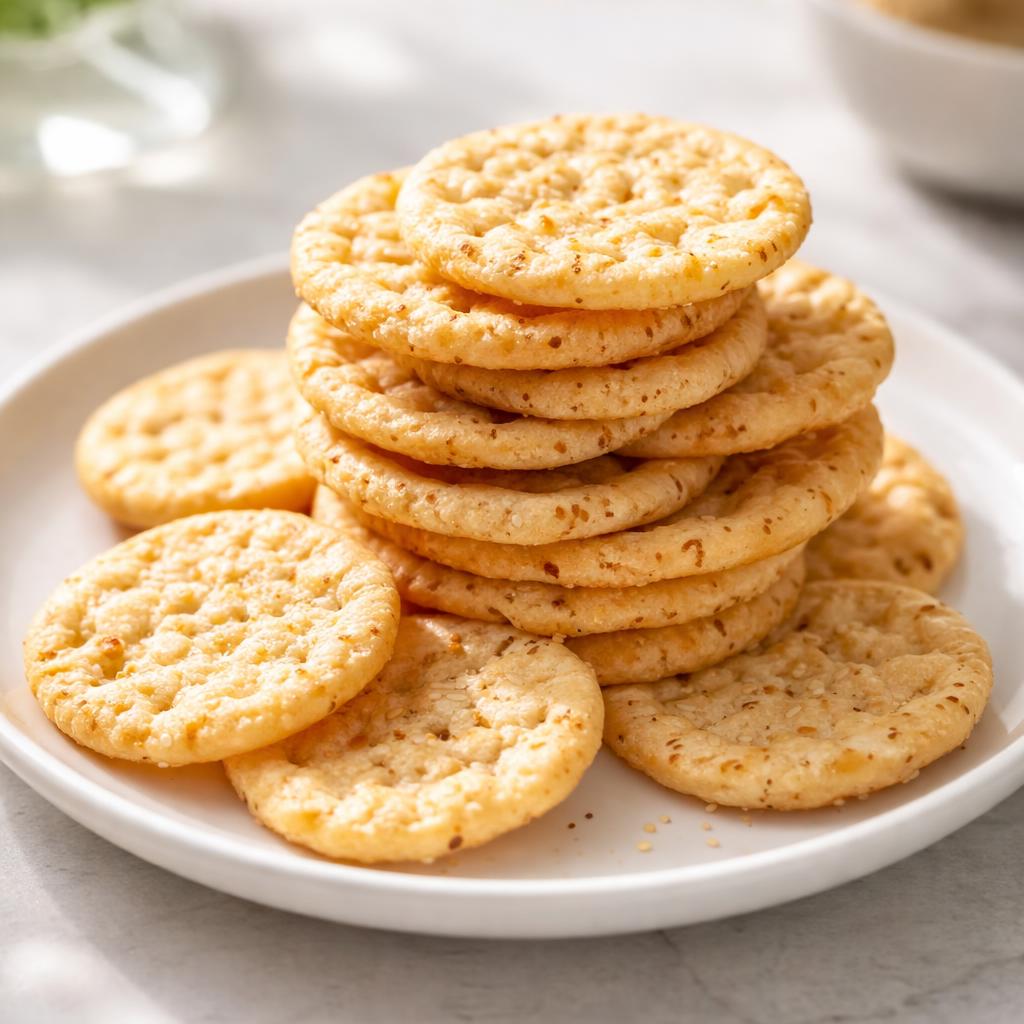
Rice Crackers
🎯 Quick Verdict
Whole wheat toast is more nutrient-dense, offering higher protein and fiber content per serving compared to rice crackers, which are lower in calories and primarily carb-based. Choose whole wheat toast for better satiety and sustained energy, while rice crackers can be a light snack option due to lower calorie density.

Smart Nutrition Tracking with SnapCalorie

📊 Nutritional Comparison
Macronutrients
| Nutrient | Food 1 | Food 2 | Winner |
|---|---|---|---|
| Calories | 80 (per slice) | 35 (per cracker) | ✓ |
| Protein | 3g | 0.5g | ✓ |
| Carbs | 15g | 7g | ✓ |
| Fat | 1g | 0.5g | ✓ |
| Fiber | 2g | 0g | ✓ |
Vitamins & Minerals
| Nutrient | Food 1 | Food 2 | Winner |
|---|---|---|---|
| Vitamin B6 | 0.1mg | 0mg | ✓ |
| Calcium | 20mg | 2mg | ✓ |
| Iron | 0.8mg | 0.1mg | ✓ |
🏆 Category Winners
Protein
Whole wheat toast contains six times more protein than rice crackers.
Fiber
Whole wheat toast provides 2g of fiber per slice vs no fiber in rice crackers.
Calories
Rice crackers have less than half the calories per serving.
Vitamins
Whole wheat toast has significantly higher micronutrients like calcium and iron.
🥗 Diet Compatibility
Keto
Food 1: Not Compatible
Food 2: Not Compatible
Both are high-carb and unsuitable for keto diets.
Vegan
Food 1: Compatible
Food 2: Compatible
Both foods are plant-based and suitable for vegans.
Gluten Free
Food 1: Not Compatible
Food 2: Compatible
Rice crackers are gluten-free, but whole wheat toast contains gluten.
Paleo
Food 1: Not Compatible
Food 2: Compatible
Rice crackers may fit paleo guidelines depending on processing, but whole wheat toast does not.
Low-Carb
Food 1: Not Suitable
Food 2: Not Suitable
Both foods have moderate to high carbohydrate levels.
💪 Health Benefits Comparison
Food 1 Benefits
- Good source of fiber for digestive health.
- Provides sustained energy with complex carbohydrates.
- Contains B vitamins for energy metabolism.
- Contributes to iron intake, supporting oxygen transportation.
Food 2 Benefits
- Low in calories, useful for managing calorie intake.
- Light and easily digestible snack option.
- Gluten-free and suitable for those with gluten sensitivities.
- Can be paired with nutrient-dense toppings for balance.
✅ The Bottom Line
Choose whole wheat toast for nutrient density, higher protein, and fiber content, making it a better choice for satiety and energy. Rice crackers, on the other hand, are ideal for those seeking a low-calorie, gluten-free snack. Pair rice crackers with toppings for balanced nutrition.
Choose Food 1 for: Breakfast, high-fiber diets, sustained energy, nutrient density
Choose Food 2 for: Low-calorie snacks, gluten-free diets, light snacks, pairing with dips or spreads


