Whole Wheat Toast VS Integral Bread
A detailed nutritional comparison
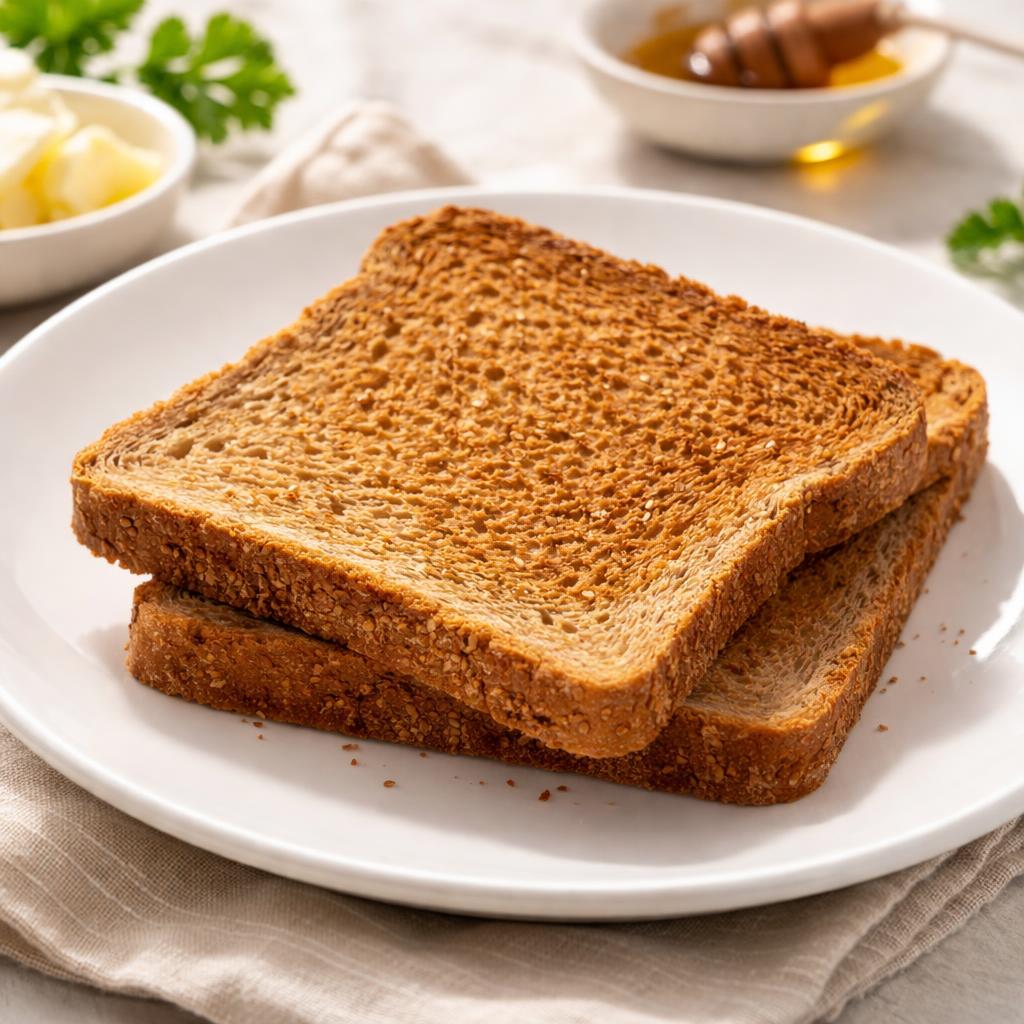
Whole Wheat Toast
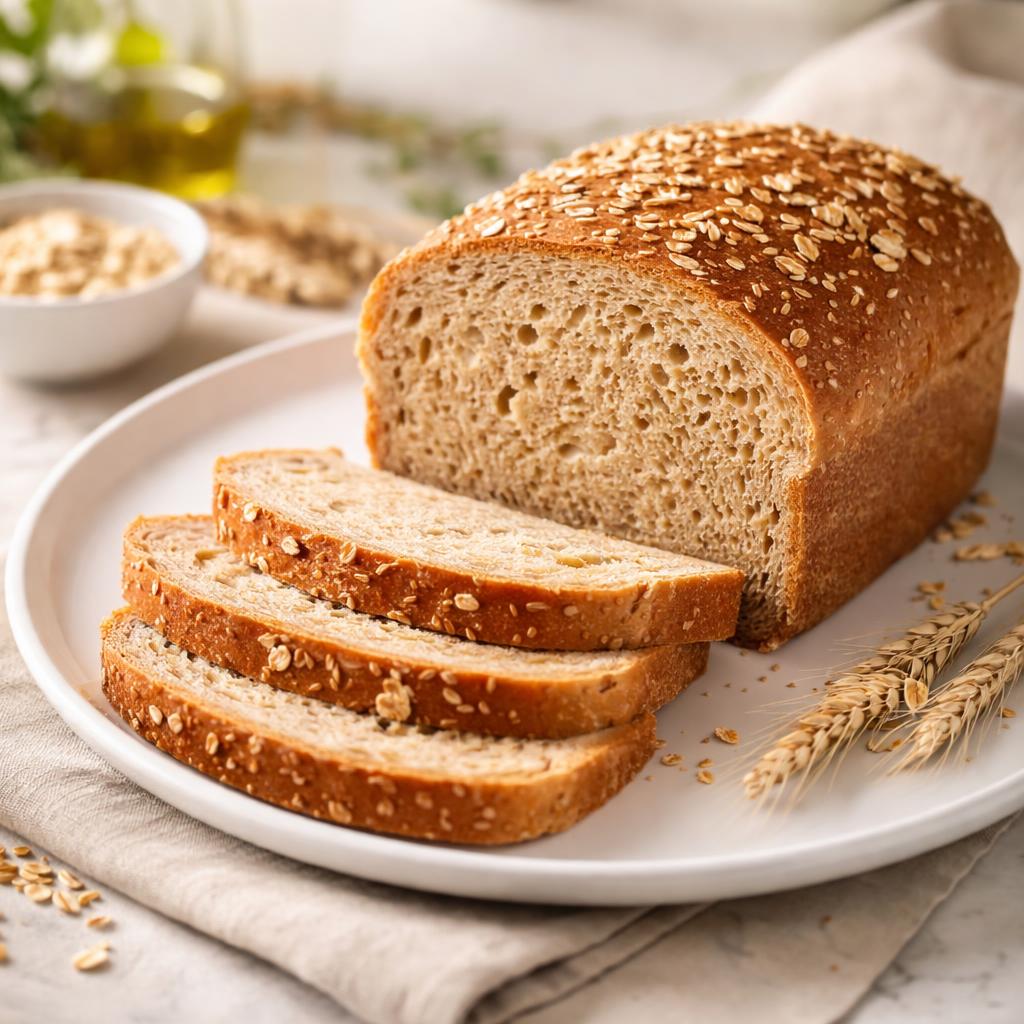
Integral Bread
🎯 Quick Verdict
Whole wheat toast (food1) is lower in calories and offers a good balance of macros, making it ideal for weight management. Integral bread (food2) is richer in protein and fiber, making it better suited for digestive health and sustained energy. Both are excellent sources of vitamins and minerals; dietary choice depends on specific needs.

Smart Nutrition Tracking with SnapCalorie

📊 Nutritional Comparison
Macronutrients
| Nutrient | Food 1 | Food 2 | Winner |
|---|---|---|---|
| Calories | 80 kcal (per slice) | 110 kcal (per slice) | ✓ |
| Protein | 4g | 5g | ✓ |
| Carbs | 14g | 18g | ✓ |
| Fat | 1g | 1.5g | ✓ |
| Fiber | 2g | 3g | ✓ |
Vitamins & Minerals
| Nutrient | Food 1 | Food 2 | Winner |
|---|---|---|---|
| Vitamin B6 | 0.1mg | 0.2mg | ✓ |
| Calcium | 20mg | 30mg | ✓ |
| Iron | 0.7mg | 1mg | ✓ |
🏆 Category Winners
Protein
Integral bread has 25% more protein per serving.
Fiber
Integral bread provides 50% more fiber per serving than whole wheat toast.
Calories
Whole wheat toast has approximately 30% fewer calories per slice.
Vitamins
Integral bread contains higher amounts of calcium, vitamin B6, and iron.
🥗 Diet Compatibility
Keto
Food 1: Not Compatible
Food 2: Not Compatible
Both are high in carbohydrates, typical of bread products.
Vegan
Food 1: Compatible
Food 2: Compatible
Both are plant-based and contain no animal derivatives.
Gluten Free
Food 1: Not Compatible
Food 2: Not Compatible
Both contain gluten due to their wheat content.
Paleo
Food 1: Not Compatible
Food 2: Not Compatible
Neither is allowed in a paleo diet due to their processed grain content.
Low-Carb
Food 1: Not Compatible
Food 2: Not Compatible
Both are relatively high in carbohydrates, with over 12g per serving.
💪 Health Benefits Comparison
Food 1 Benefits
- Lower in calories, beneficial for weight management
- Contains good amounts of dietary fiber for digestion
- Provides essential B vitamins for energy metabolism
Food 2 Benefits
- Higher fiber content supports better gastrointestinal health
- Richer in protein for muscle repair and development
- Contains higher levels of calcium and iron to support bone strength and oxygen transport
✅ The Bottom Line
Whole wheat toast is a better option for calorie-conscious individuals or those seeking a lighter breakfast choice. Integral bread offers more protein and fiber, which makes it a superior choice for sustained energy and digestive health. Both fit into a balanced diet depending on personal goals.
Choose Food 1 for: Weight loss, light meals, quick energy boost
Choose Food 2 for: Digestive health, sustained energy, overall nutrient density


