Whole Wheat Toast VS Bread With Peanut Butter
A detailed nutritional comparison
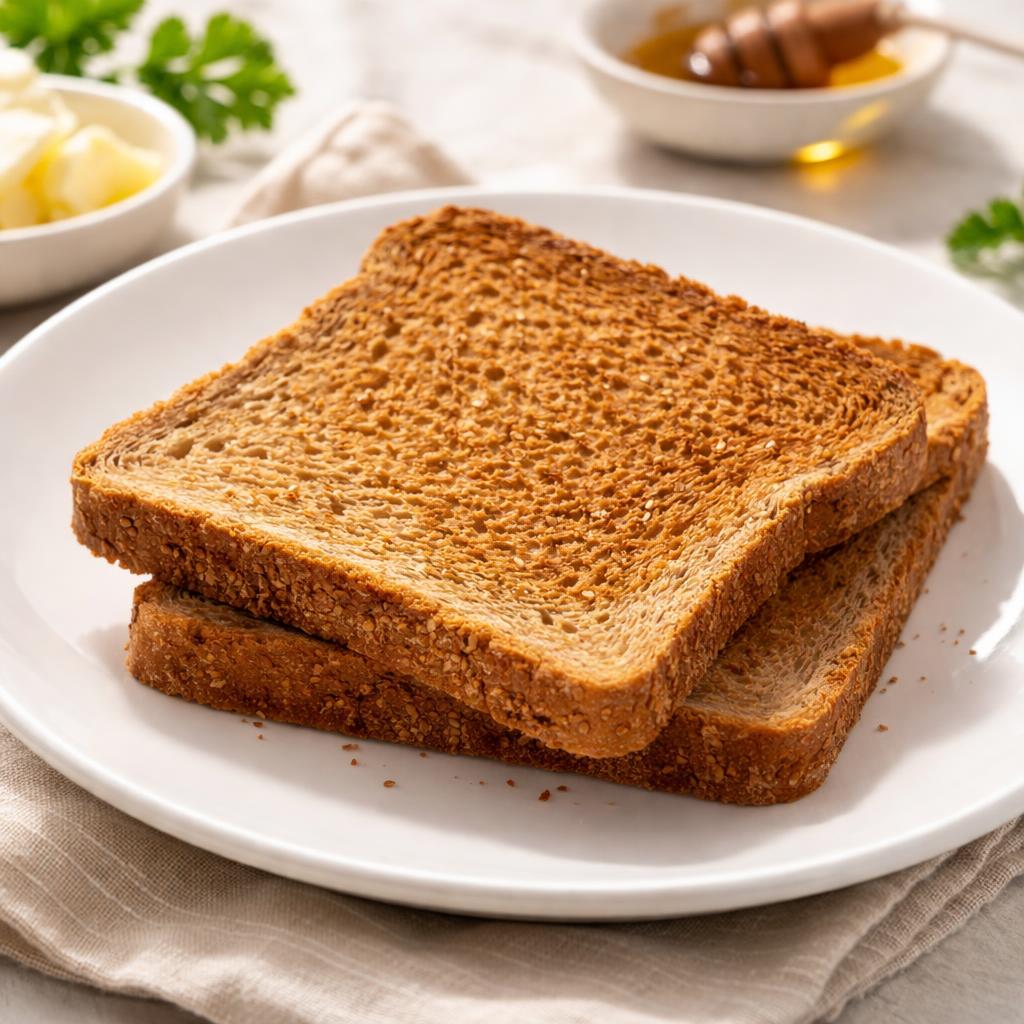
Whole Wheat Toast
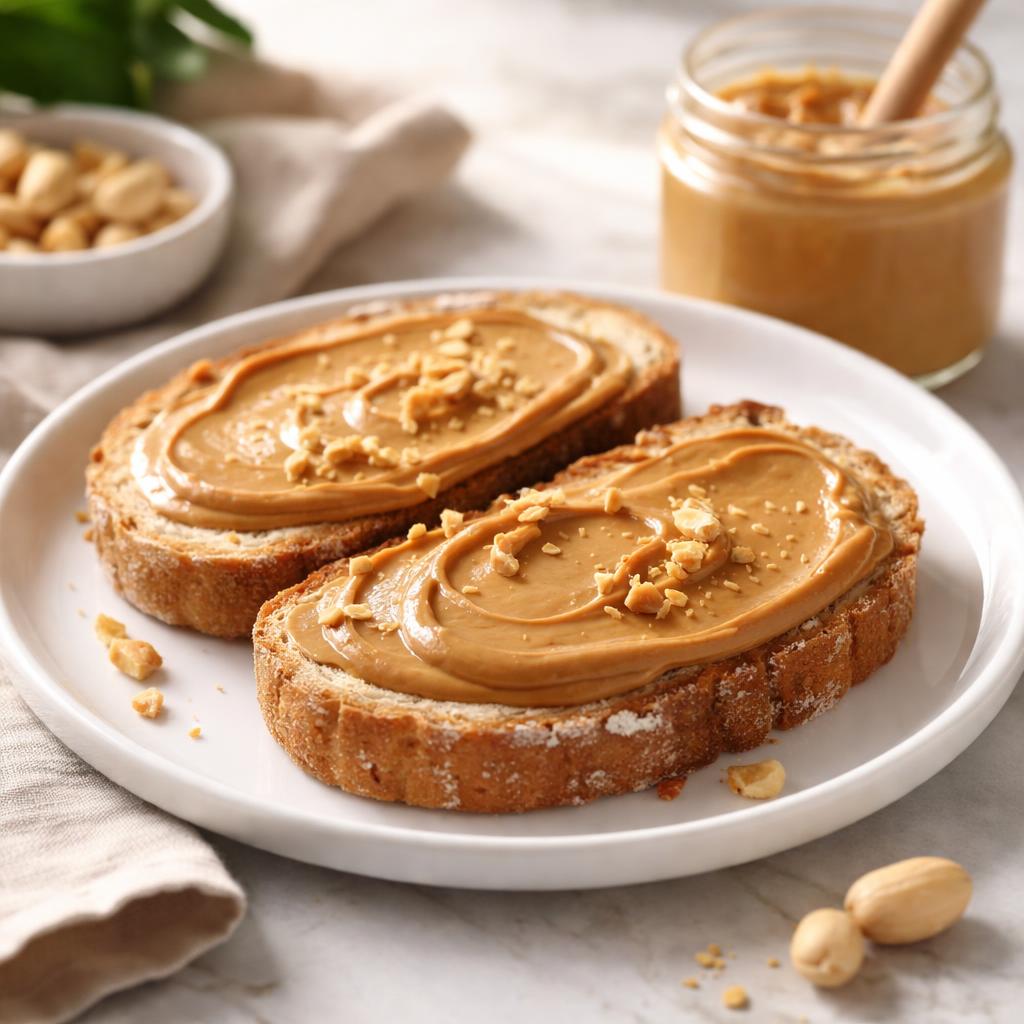
Bread With Peanut Butter
🎯 Quick Verdict
Whole wheat toast is lower in calories and higher in fiber, making it a great option for weight management and digestion. Bread with peanut butter, while slightly higher in calories, provides more protein and healthy fats, which are excellent for sustained energy and muscle repair. Choose based on your dietary goals: fiber and digestion vs. protein and energy.

Smart Nutrition Tracking with SnapCalorie

📊 Nutritional Comparison
Macronutrients
| Nutrient | Food 1 | Food 2 | Winner |
|---|---|---|---|
| Calories | 75 per slice | 190 per serving (1 slice + 1 tbsp PB) | ✓ |
| Protein | 3g | 7g | ✓ |
| Carbs | 13g | 18g | ✓ |
| Fat | 1g | 9g | ✓ |
| Fiber | 2g | 1.5g | ✓ |
Vitamins & Minerals
| Nutrient | Food 1 | Food 2 | Winner |
|---|---|---|---|
| Vitamin B6 | 0.03mg | 0.15mg | ✓ |
| Vitamin E | Trivial | 1.5mg | ✓ |
| Iron | 1mg | 0.8mg | ✓ |
🏆 Category Winners
Protein
Peanut butter increases the protein content in food2 significantly.
Fiber
Whole wheat toast contains 33% more fiber per slice.
Calories
Whole wheat toast has less than half the calories of bread with peanut butter.
Vitamins
Peanut butter adds vitamin B6 and vitamin E to food2, making it more nutrient-dense.
🥗 Diet Compatibility
Keto
Food 1: Not Compatible
Food 2: Not Compatible
Both contain high carbs which exceed keto limits.
Vegan
Food 1: Compatible
Food 2: Compatible
Both foods are plant-based and free of animal products.
Gluten Free
Food 1: Not Compatible
Food 2: Not Compatible
Both foods use wheat-based bread which contains gluten.
Paleo
Food 1: Not Compatible
Food 2: Not Compatible
Bread products do not fit into paleo guidelines.
Low-Carb
Food 1: Not Compatible
Food 2: Not Compatible
Both have too many carbs for low-carb diets.
💪 Health Benefits Comparison
Food 1 Benefits
- High in fiber for improved digestion
- Lower in calories, ideal for weight management
- Source of iron for better oxygen transport in the body
Food 2 Benefits
- Rich in protein, supporting muscle growth and repair
- Contains healthy fats for sustained energy and heart health
- Includes vitamin B6 and E for immune system and cell protection
✅ The Bottom Line
Whole wheat toast works well for those seeking a lower-calorie, high-fiber food that's great for digestion or weight loss. Bread with peanut butter is an energy-dense choice that’s ideal for fueling workouts, promoting muscle recovery, and sustaining energy. Select food1 for light meals and food2 for snacks or higher nutrient needs.
Choose Food 1 for: Weight management, digestion support, light meals
Choose Food 2 for: Muscle repair, sustained energy, nutrient-dense snacks


