Whole Wheat Bread VS Walnut Bread
A detailed nutritional comparison
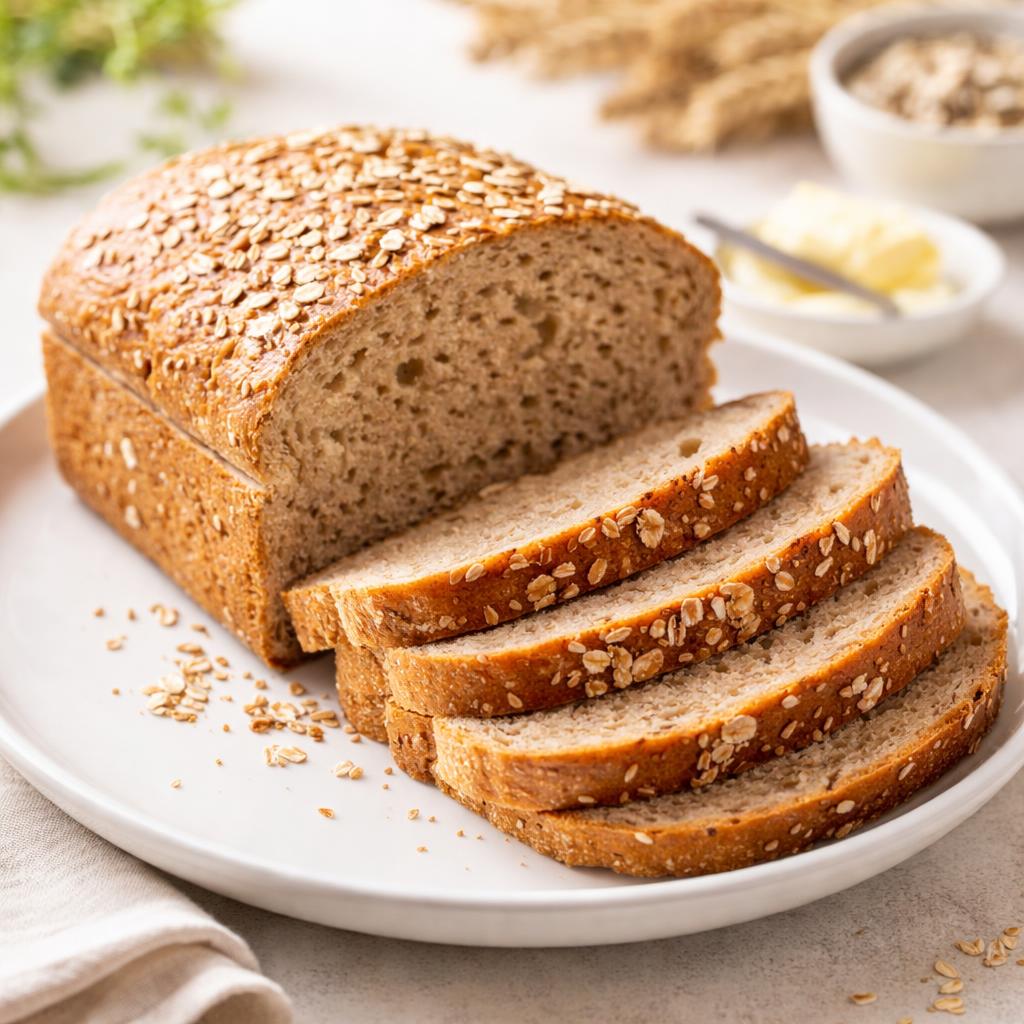
Whole Wheat Bread

Walnut Bread
🎯 Quick Verdict
Whole wheat bread provides more protein, fiber, and fewer calories per serving compared to walnut bread, making it a better option for weight management and digestive health. Walnut bread offers more healthy fats and antioxidants, making it ideal for heart health and sustained energy needs.

Smart Nutrition Tracking with SnapCalorie

📊 Nutritional Comparison
Macronutrients
| Nutrient | Food 1 | Food 2 | Winner |
|---|---|---|---|
| Calories | 80 | 150 | ✓ |
| Protein | 4g | 3g | ✓ |
| Carbs | 15g | 17g | ✓ |
| Fat | 0.5g | 6g | ✓ |
| Fiber | 3g | 1.5g | ✓ |
Vitamins & Minerals
| Nutrient | Food 1 | Food 2 | Winner |
|---|---|---|---|
| Vitamin E | 0.1mg | 0.6mg | ✓ |
| Magnesium | 25mg | 45mg | ✓ |
| Iron | 1mg | 0.9mg | ✓ |
🏆 Category Winners
Protein
Whole wheat bread contains 33% more protein per serving.
Fiber
Whole wheat bread offers twice as much fiber as walnut bread.
Calories
Whole wheat bread has 47% fewer calories per serving.
Vitamins
Walnut bread contains more vitamin E and magnesium, beneficial for skin and heart health.
🥗 Diet Compatibility
Keto
Food 1: Not Compatible
Food 2: Not Compatible
Both are high in carbs, which disqualifies them from keto diets.
Vegan
Food 1: Compatible
Food 2: Compatible
Both are plant-based and free of animal products.
Gluten Free
Food 1: Not Compatible
Food 2: Not Compatible
Both contain gluten due to the wheat content.
Paleo
Food 1: Not Compatible
Food 2: Not Compatible
Breads are typically not paleo-friendly.
Low-Carb
Food 1: Not Compatible
Food 2: Not Compatible
Both foods have over 15g of carbs per serving, making them unsuitable for low-carb diets.
💪 Health Benefits Comparison
Food 1 Benefits
- High in fiber for digestive health
- Provides plant-based protein for muscle maintenance
- Low in calories, ideal for weight management
Food 2 Benefits
- Rich in Omega-3 fats for heart health
- Contains vitamin E for skin health
- Source of magnesium, which supports muscle and nerve function
✅ The Bottom Line
Whole wheat bread is better for individuals looking to manage weight and improve digestive health due to its higher protein and fiber content and lower calorie profile. Walnut bread is a great option for those prioritizing heart health, sustained energy, and nutrient density, thanks to its healthy fats and magnesium content.
Choose Food 1 for: Weight management, high-fiber diets, general daily use
Choose Food 2 for: Heart health, nutrient-dense snacks, energy boosts


