Whole Wheat Bread VS Sourdough Rye Bread
A detailed nutritional comparison
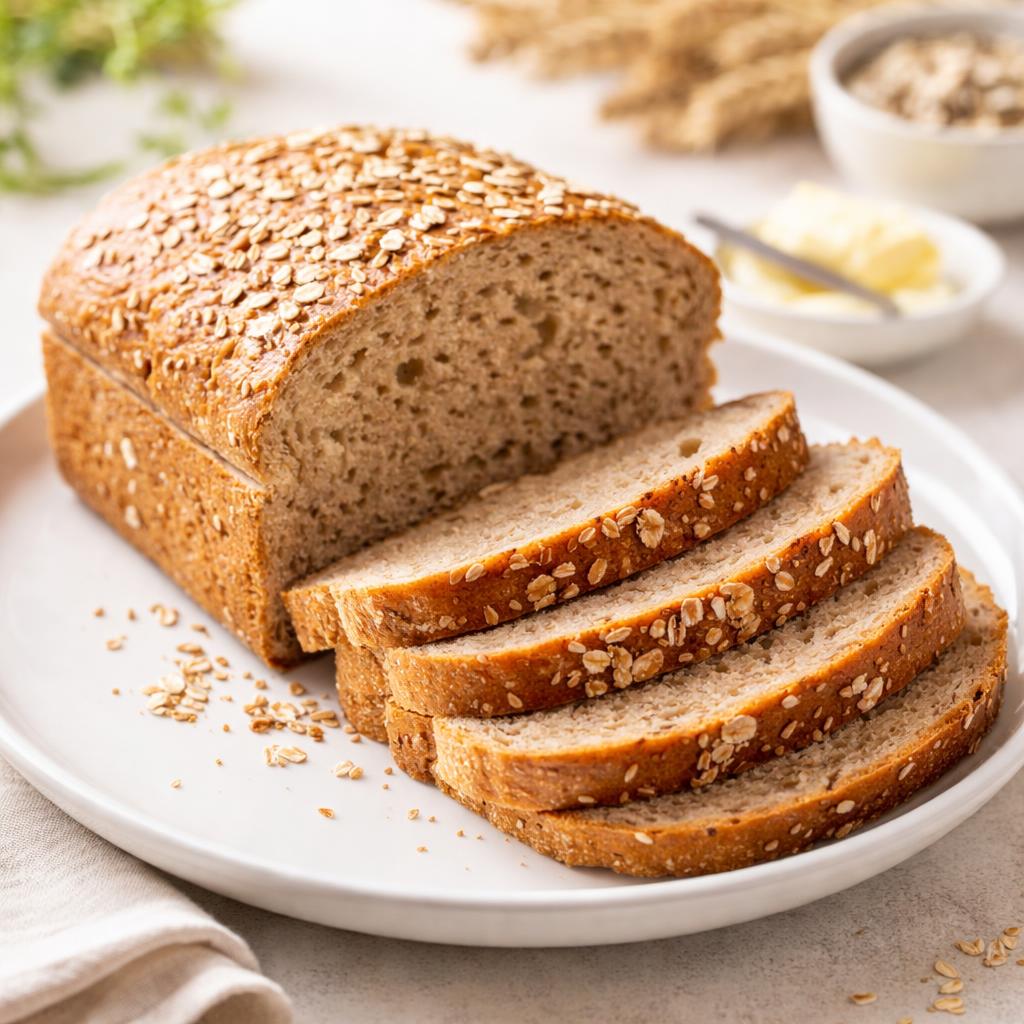
Whole Wheat Bread
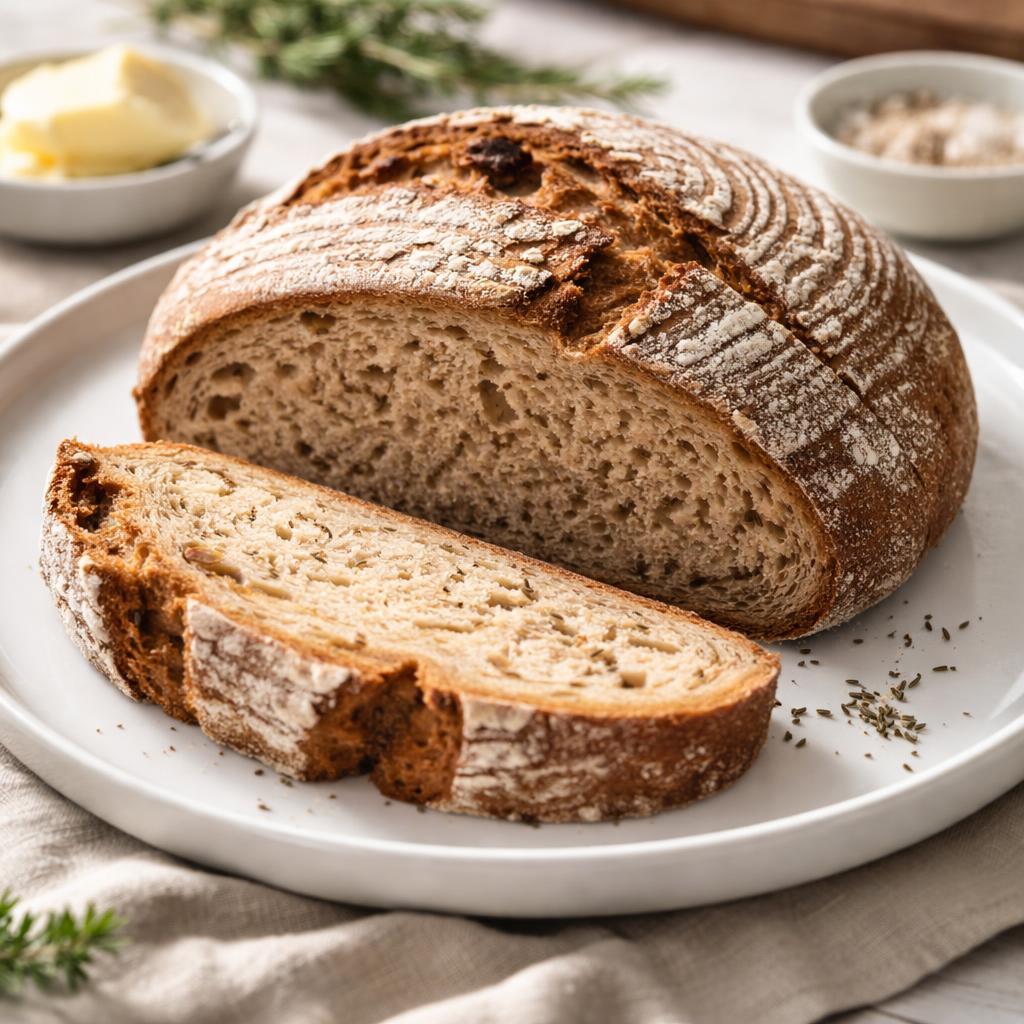
Sourdough Rye Bread
🎯 Quick Verdict
Whole wheat bread emerges as the nutrient-dense option, offering more protein, fiber, and fewer calories than sourdough rye bread. Sourdough rye is notable for its digestibility, unique flavor, and healthy grain profile. Whole wheat bread is best for balanced meals and weight management, whereas sourdough rye excels in sustained energy and gut health support.

Smart Nutrition Tracking with SnapCalorie

📊 Nutritional Comparison
Macronutrients
| Nutrient | Food 1 | Food 2 | Winner |
|---|---|---|---|
| Calories | 80 kcal (per slice) | 120 kcal (per slice) | ✓ |
| Protein | 4g | 3g | ✓ |
| Carbs | 14g | 22g | ✓ |
| Fat | 0.5g | 1g | ✓ |
| Fiber | 2g | 1.5g | ✓ |
Vitamins & Minerals
| Nutrient | Food 1 | Food 2 | Winner |
|---|---|---|---|
| Vitamin B6 | 0.1mg | 0.05mg | ✓ |
| Selenium | 11mcg | 8mcg | ✓ |
| Magnesium | 23mg | 20mg | ✓ |
🏆 Category Winners
Protein
Whole wheat bread contains 33% more protein per slice.
Fiber
Whole wheat bread has 33% higher fiber content, aiding digestion.
Calories
Whole wheat bread is 33% lower in calories per slice.
Vitamins
Contains more micronutrients such as selenium and Vitamin B6.
🥗 Diet Compatibility
Keto
Food 1: Not Compatible
Food 2: Not Compatible
Both are high in carbohydrates and unsuitable for keto.
Vegan
Food 1: Compatible
Food 2: Compatible
Both breads are plant-based and suitable for vegan diets.
Gluten Free
Food 1: Not Compatible
Food 2: Not Compatible
Both contain gluten due to wheat and rye ingredients.
Paleo
Food 1: Not Compatible
Food 2: Not Compatible
Breads are excluded in paleo due to grain content.
Low-Carb
Food 1: Not Compatible
Food 2: Not Compatible
Both are relatively high in carbs, with food2 being higher.
💪 Health Benefits Comparison
Food 1 Benefits
- Provides complex carbohydrates for sustained energy
- Good source of fiber promoting healthy digestion
- Rich in selenium, supporting antioxidant and thyroid health
- Useful for weight management due to lower calorie density
Food 2 Benefits
- Easier to digest due to fermentation process
- Contains rye, which may support heart health
- Offers unique flavor and texture, making it a flexible option
- Provides moderate fiber for digestive health
✅ The Bottom Line
Whole wheat bread is the winner nutritionally, offering higher protein, fiber, and fewer calories, making it ideal for daily consumption, weight loss, and balanced nutrition. Sourdough rye bread stands out for its digestibility and complex flavor, making it better suited for those seeking gut health improvement or variety in their bread choices.
Choose Food 1 for: Weight management, high-protein diets, digestion
Choose Food 2 for: Gut health, heart health, flavor enhancement


