Whole Wheat Bread VS Seed Bread
A detailed nutritional comparison
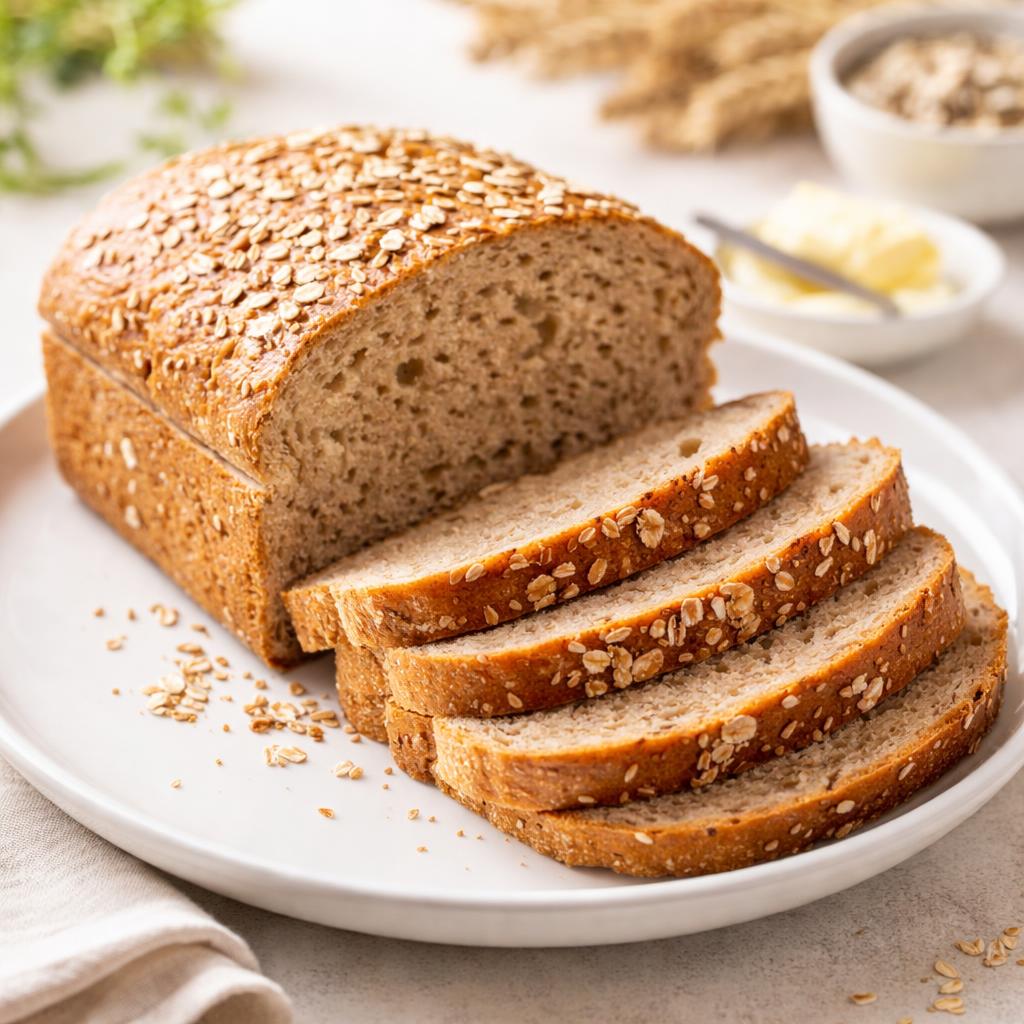
Whole Wheat Bread
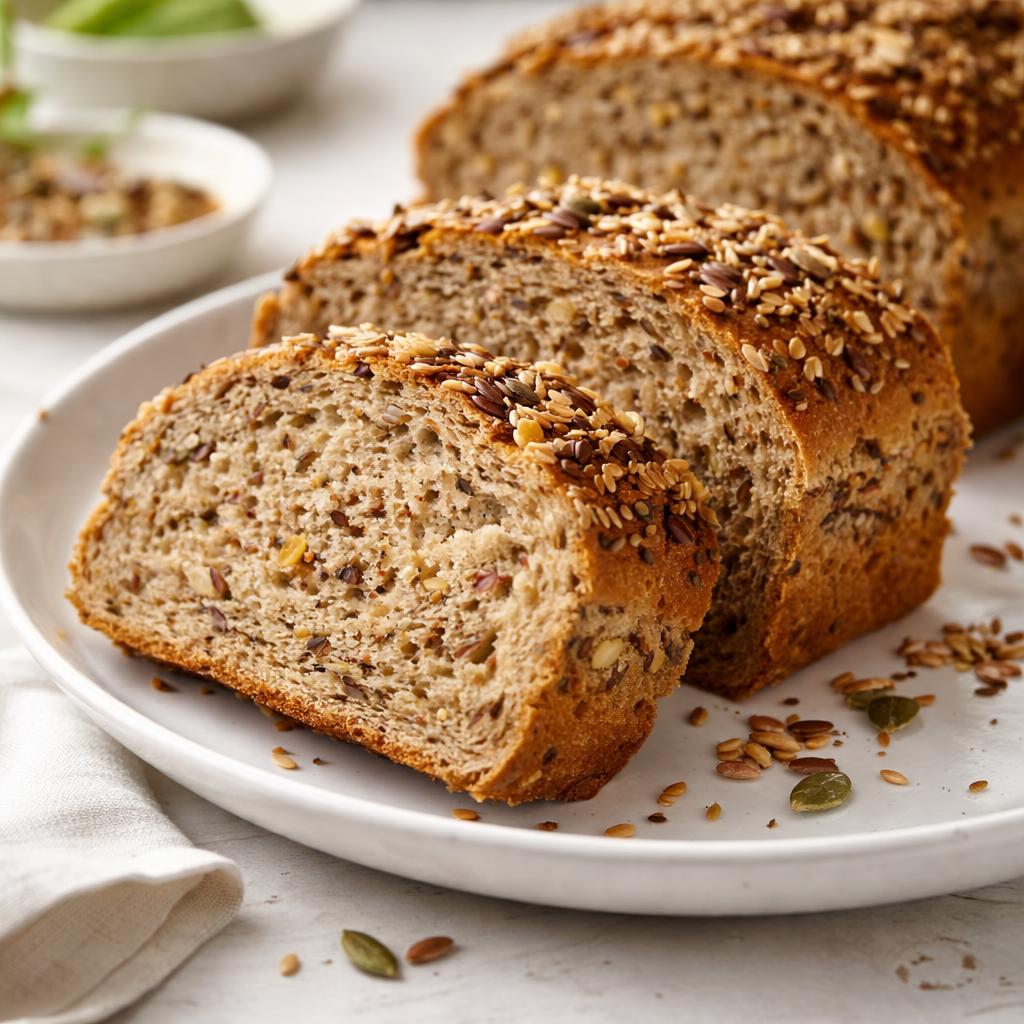
Seed Bread
🎯 Quick Verdict
Seed bread has more protein, fiber, and healthy fats compared to whole wheat bread, making it nutritionally dense and ideal for nutrient-rich diets. Whole wheat bread, however, is lower in calories and still provides a good amount of fiber, making it suitable for calorie-conscious diets or weight loss goals.

Smart Nutrition Tracking with SnapCalorie

📊 Nutritional Comparison
Macronutrients
| Nutrient | Food 1 | Food 2 | Winner |
|---|---|---|---|
| Calories | 100 | 160 | ✓ |
| Protein | 3g | 7g | ✓ |
| Carbs | 20g | 15g | ✓ |
| Fat | 0.5g | 8g | ✓ |
| Fiber | 2g | 5g | ✓ |
Vitamins & Minerals
| Nutrient | Food 1 | Food 2 | Winner |
|---|---|---|---|
| Vitamin E | 0.2mg | 2mg | ✓ |
| Magnesium | 25mg | 85mg | ✓ |
| Iron | 1mg | 2mg | ✓ |
🏆 Category Winners
Protein
Seed bread has over twice the protein per serving compared to whole wheat bread.
Fiber
Seed bread contains 2.5x more fiber per serving, aiding digestion.
Calories
Whole wheat bread is lower in calories, making it a better choice for calorie-conscious diets.
Vitamins
Seed bread has significantly higher levels of Vitamin E, Magnesium, and Iron.
🥗 Diet Compatibility
Keto
Food 1: Not Compatible
Food 2: Not Compatible
Both are too high in carbs for a keto diet.
Vegan
Food 1: Compatible
Food 2: Compatible
Both are based on plant ingredients.
Gluten Free
Food 1: Not Compatible
Food 2: Not Compatible
Both contain gluten unless made with alternative flours.
Paleo
Food 1: Not Compatible
Food 2: Compatible
Seed bread often aligns with paleo, while whole wheat bread is not allowed.
Low-Carb
Food 1: Not Compatible
Food 2: Partially Compatible
Seed bread is lower in carbs but still not fully low-carb.
💪 Health Benefits Comparison
Food 1 Benefits
- Provides a good source of dietary fiber for digestion
- Low in calories, supporting weight-loss goals
- Contains B vitamins for energy metabolism
Food 2 Benefits
- High in protein for muscle health and repair
- Rich in fiber to promote gut health
- Contains healthy fats like omega-3s for heart and brain health
- Provides essential minerals such as magnesium and iron
✅ The Bottom Line
Choose seed bread for added nutrients, protein, and fiber, especially if focusing on heart health and sustained energy. Whole wheat bread is better for calorie-conscious diets or as a classic staple for everyday meals.
Choose Food 1 for: Weight loss, basic fiber intake, low-calorie diets
Choose Food 2 for: Nutrient density, heart health, sustained energy needs


