Whole Wheat Bread VS Light Bread
A detailed nutritional comparison
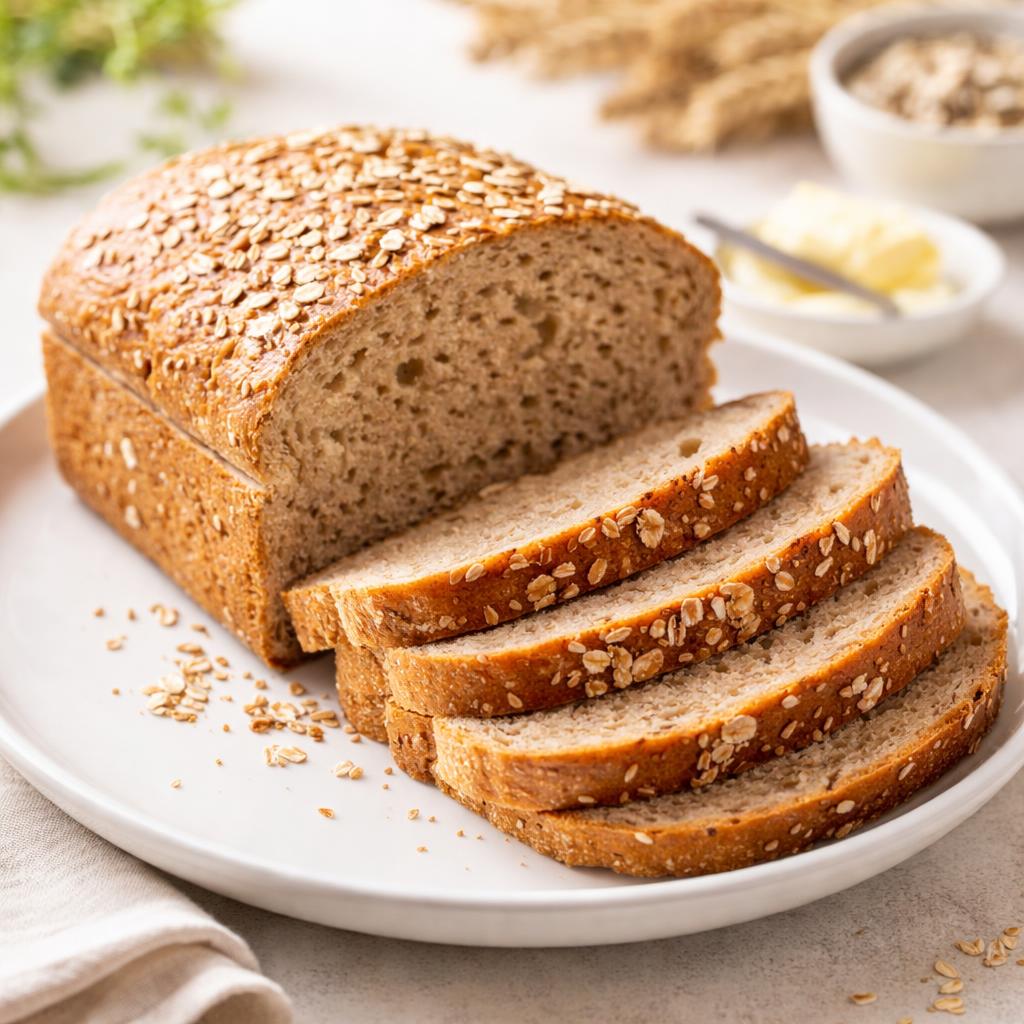
Whole Wheat Bread
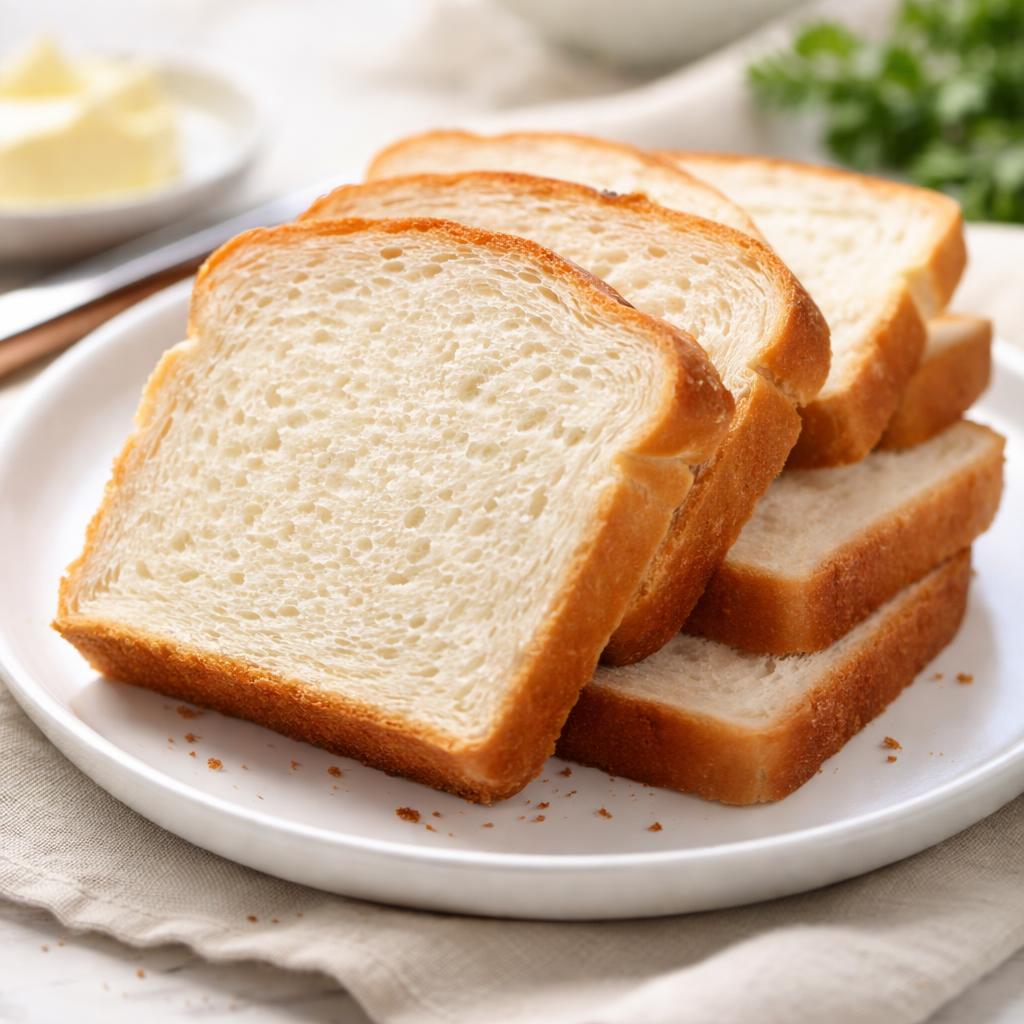
Light Bread
🎯 Quick Verdict
Whole wheat bread is nutritionally denser with more protein (4g vs. 2g), fiber (2.5g vs. 1g), and essential vitamins and minerals. Light bread is lower in calories (40 vs. 80 per slice) and may fit better into low-calorie diets. Whole wheat bread is ideal for those seeking heart health and sustained energy, while light bread suits weight management goals.

Smart Nutrition Tracking with SnapCalorie

📊 Nutritional Comparison
Macronutrients
| Nutrient | Food 1 | Food 2 | Winner |
|---|---|---|---|
| Calories | 80 | 40 | ✓ |
| Protein | 4g | 2g | ✓ |
| Carbs | 15g | 9g | ✓ |
| Fat | 0.5g | 0g | ✓ |
| Fiber | 2.5g | 1g | ✓ |
Vitamins & Minerals
| Nutrient | Food 1 | Food 2 | Winner |
|---|---|---|---|
| Vitamin B6 | 0.1mg | 0.05mg | ✓ |
| Magnesium | 20mg | 10mg | ✓ |
| Iron | 1mg | 0.5mg | ✓ |
🏆 Category Winners
Protein
Whole wheat bread offers 2x more protein compared to light bread.
Fiber
Whole wheat bread contains 2.5g fiber, optimal for digestive health.
Calories
Light bread is half the calories of whole wheat bread per slice.
Vitamins
Whole wheat bread provides more B-vitamins and minerals like magnesium.
🥗 Diet Compatibility
Keto
Food 1: Not Compatible
Food 2: Not Compatible
Both are high-carb, not suitable for keto diets.
Vegan
Food 1: Compatible
Food 2: Compatible
Both are plant-based and contain no animal ingredients.
Gluten Free
Food 1: Not Compatible
Food 2: Not Compatible
Both breads contain gluten from wheat.
Paleo
Food 1: Not Compatible
Food 2: Not Compatible
Neither aligns with paleo diet due to grain content.
Low-Carb
Food 1: Not Suitable
Food 2: Marginally Suitable
Light bread is lower-carb but not very low-carb.
💪 Health Benefits Comparison
Food 1 Benefits
- Rich in fiber to support digestion and reduce cholesterol
- Provides complex carbohydrates for sustained energy
- Source of key minerals like magnesium for bone health
- Contains B-vitamins for improved metabolism
Food 2 Benefits
- Low-calorie option suitable for weight loss diets
- Light and easier on digestion for sensitive stomachs
- Provides quick energy due to simpler carbohydrates
- Can help with portion control and calorie management
✅ The Bottom Line
Choose whole wheat bread for its nutritional density, fiber, and sustained energy, making it ideal for heart health, digestion, and energy throughout the day. Opt for light bread when calorie management or portion control is your priority, especially in weight-loss or lower-carb approaches.
Choose Food 1 for: Heart health, digestion, energy, balanced diets
Choose Food 2 for: Weight loss, portion control, light meals


