Whole Wheat Bread VS French Bread
A detailed nutritional comparison
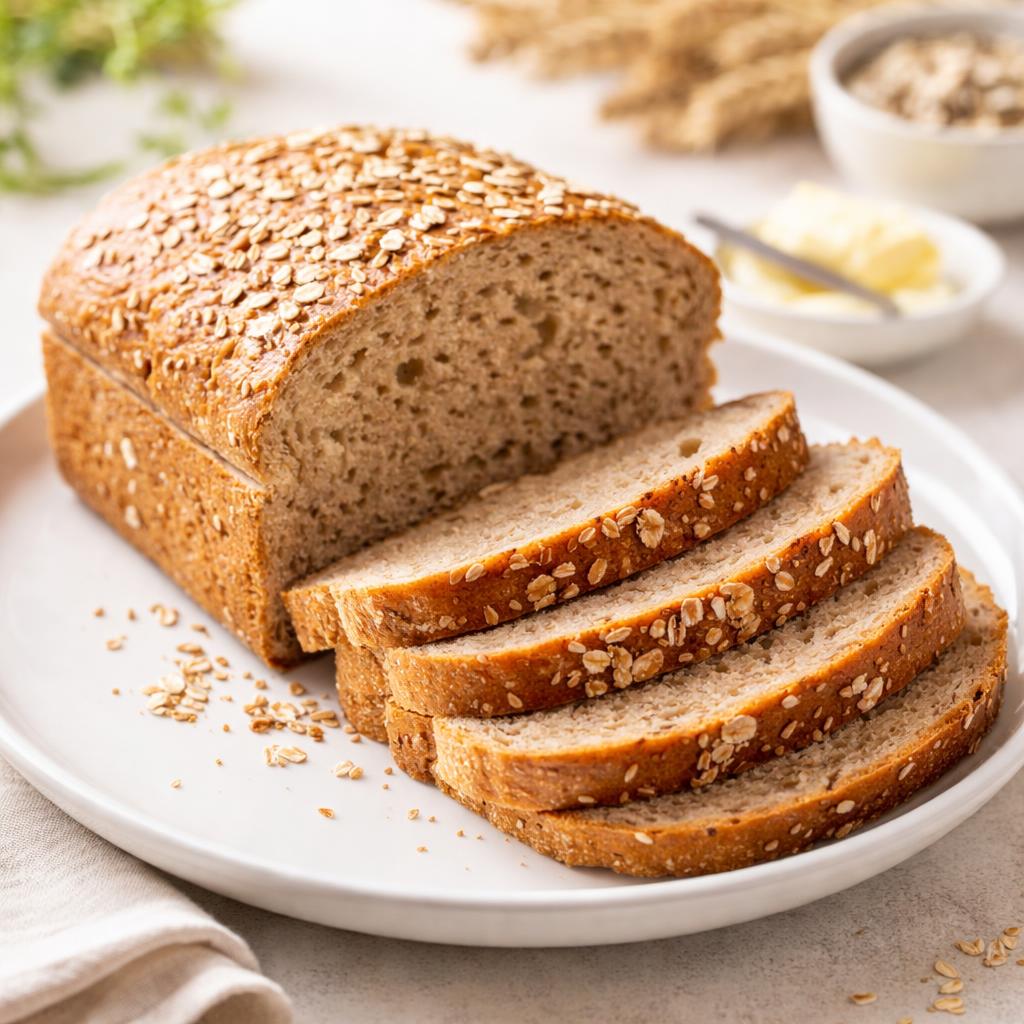
Whole Wheat Bread

French Bread
🎯 Quick Verdict
Whole wheat bread offers more protein, fiber, and micronutrients compared to French bread, making it a healthier choice. French bread has fewer nutrients but is lighter and airier, making it ideal for occasional treats or pairing with meals. Whole wheat bread is better suited for those seeking nutritional benefits or managing weight and digestion.

Smart Nutrition Tracking with SnapCalorie

📊 Nutritional Comparison
Macronutrients
| Nutrient | Food 1 | Food 2 | Winner |
|---|---|---|---|
| Calories | 80 (per slice) | 80 (per slice) | − |
| Protein | 4g | 2g | − |
| Carbs | 15g | 18g | − |
| Fat | 0.5g | 0.5g | − |
| Fiber | 2g | 0.8g | − |
Vitamins & Minerals
| Nutrient | Food 1 | Food 2 | Winner |
|---|---|---|---|
| Vitamin B6 | 0.1mg | 0.03mg | − |
| Magnesium | 25mg | 6mg | − |
| Iron | 0.9mg | 0.7mg | − |
🏆 Category Winners
Protein
Whole wheat bread contains twice as much protein per slice, supporting muscle growth.
Fiber
Whole wheat bread has 150% more fiber per slice, aiding digestion and satiety.
Calories
Both breads provide equal calories per slice, 80 kcal.
Vitamins
Whole wheat bread is richer in B vitamins, magnesium, and iron.
🥗 Diet Compatibility
Keto
Food 1: Not Compatible
Food 2: Not Compatible
Both have high carbohydrate content and are not suitable for keto diets.
Vegan
Food 1: Compatible
Food 2: Compatible
Both are plant-based and free of animal-derived ingredients.
Gluten Free
Food 1: Not Compatible
Food 2: Not Compatible
Neither is gluten-free as both are made from wheat.
Paleo
Food 1: Not Compatible
Food 2: Not Compatible
Neither aligns with paleo guidelines due to grain content.
Low-Carb
Food 1: Not Compatible
Food 2: Not Compatible
Both have moderate carb levels unsuitable for low-carb plans.
💪 Health Benefits Comparison
Food 1 Benefits
- Rich in fiber for improved digestion
- Contains complex carbs for steady energy levels
- Provides essential B vitamins for metabolism
- Good source of magnesium for bone health
Food 2 Benefits
- Easy to digest due to simple structure
- Pairs well with nutrient-dense foods like soups or salads
- Provides quick energy from refined carbs
- Versatile in culinary applications for flavor
✅ The Bottom Line
Whole wheat bread is the better option nutritionally, offering more protein, fiber, and vitamins. It’s ideal for weight-conscious individuals and those needing fiber for digestive health. French bread, though less nutritious, works well for special occasions or dishes requiring lighter bread textures.
Choose Food 1 for: Daily consumption, weight management, high-fiber diets
Choose Food 2 for: Occasional treats, light meals, culinary versatility


