Whole Wheat Bread VS Corn Bread
A detailed nutritional comparison
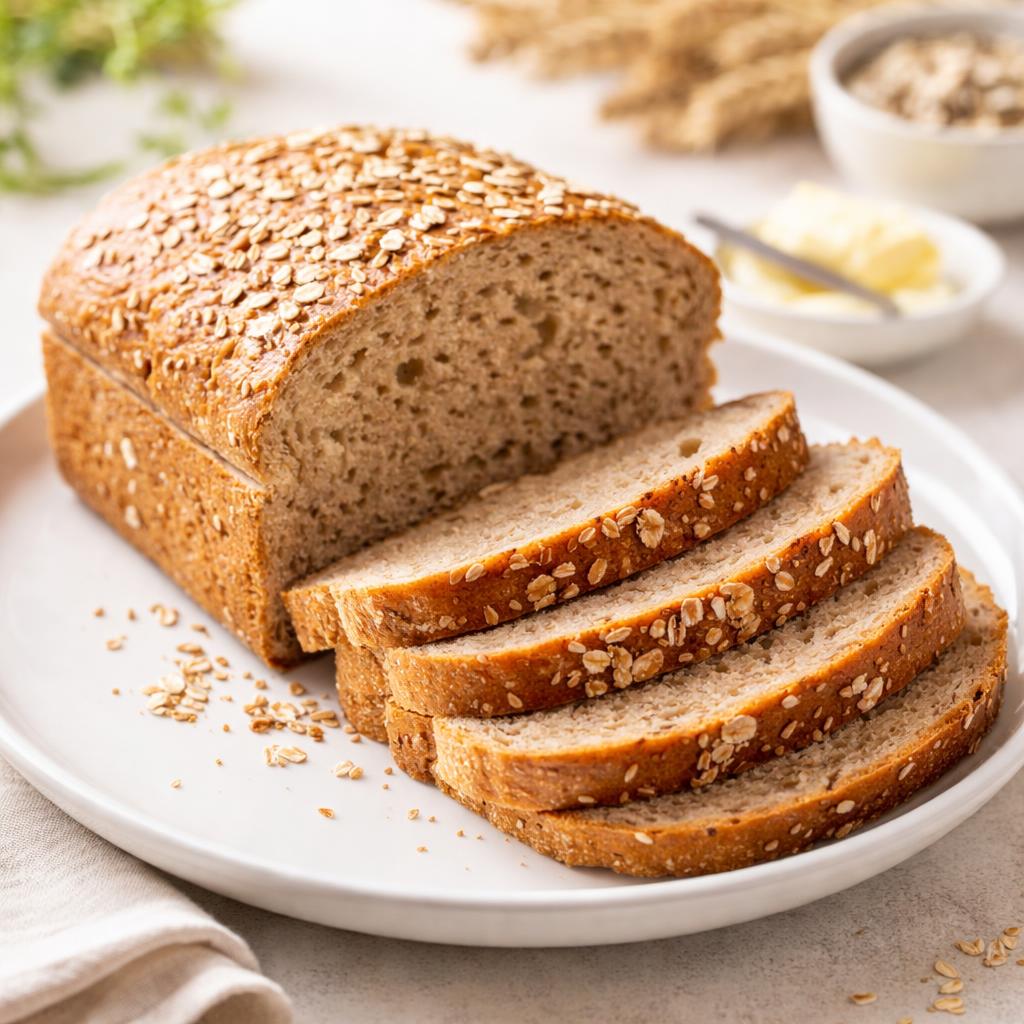
Whole Wheat Bread
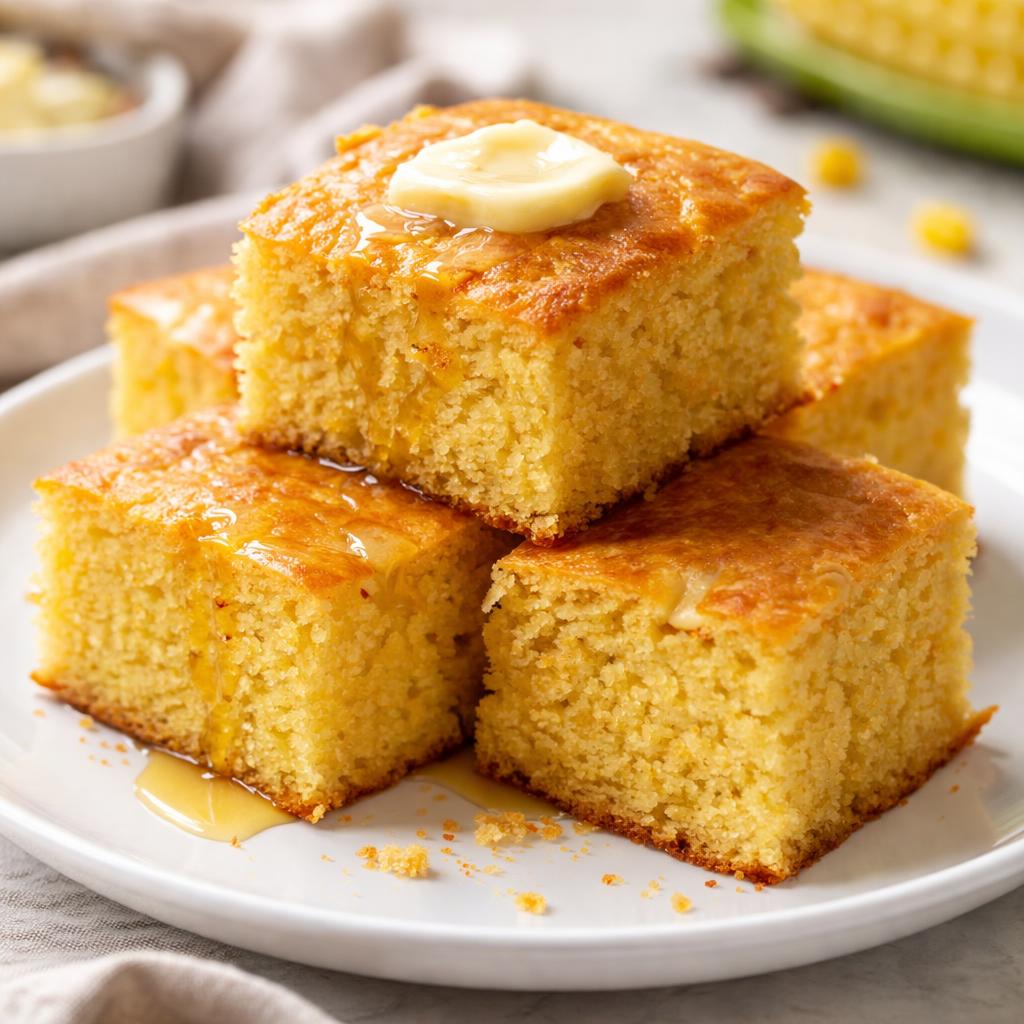
Corn Bread
🎯 Quick Verdict
Whole wheat bread is more nutrient-dense with higher protein, more fiber, and fewer calories compared to corn bread. Corn bread provides more fat, which can be useful for energy needs, but is higher in calories due to added fat and sugar in recipes. Whole wheat bread is better for weight management, while corn bread offers rich flavor and energy-dense options for active individuals.

Smart Nutrition Tracking with SnapCalorie

📊 Nutritional Comparison
Macronutrients
| Nutrient | Food 1 | Food 2 | Winner |
|---|---|---|---|
| Calories | 80 | 198 | ✓ |
| Protein | 4g | 3g | ✓ |
| Carbs | 14g | 27g | ✓ |
| Fat | 1g | 5g | ✓ |
| Fiber | 3g | 1g | ✓ |
Vitamins & Minerals
| Nutrient | Food 1 | Food 2 | Winner |
|---|---|---|---|
| Vitamin C | 0mg | 0mg | − |
| Calcium | 30mg | 67mg | ✓ |
| Iron | 0.9mg | 0.7mg | ✓ |
| Vitamin A | 0IU | 60IU | ✓ |
🏆 Category Winners
Protein
Whole wheat bread has 33% more protein per serving.
Fiber
Whole wheat bread provides 3x more fiber per serving than corn bread.
Calories
Whole wheat bread has significantly fewer calories (59% less).
Vitamins
Corn bread contains slightly more Vitamin A and Calcium than whole wheat bread.
🥗 Diet Compatibility
Keto
Food 1: Not Compatible
Food 2: Not Compatible
Both are high-carb and unsuitable for keto diets.
Vegan
Food 1: Compatible
Food 2: Not Compatible
Corn bread often includes dairy (buttermilk) or eggs in recipes.
Gluten Free
Food 1: Not Compatible
Food 2: Sometimes Compatible
Whole wheat bread contains gluten, but corn bread may be gluten-free depending on the recipe.
Paleo
Food 1: Not Compatible
Food 2: Not Compatible
Neither food aligns with paleo's exclusion of grains and processed ingredients.
Low Carb
Food 1: Not Compatible
Food 2: Not Compatible
Both foods are high in carbohydrates per serving.
💪 Health Benefits Comparison
Food 1 Benefits
- Rich in fiber for digestive health
- Lower calories for weight management
- Provides plant-based protein to support muscle maintenance
Food 2 Benefits
- Energy-dense option for active lifestyles
- Good source of healthy fats depending on recipe
- Contains calcium for bone health
✅ The Bottom Line
Choose whole wheat bread for nutrient density, higher protein, fiber content, and weight management. Opt for corn bread when looking for a flavorful, energy-dense side, especially for physical exertion or high-calorie needs.
Choose Food 1 for: Weight management, digestive health, filling meals
Choose Food 2 for: Energy needs, richer flavor, creative recipes


