Whole Wheat Bread VS Bread With Peanut Butter
A detailed nutritional comparison
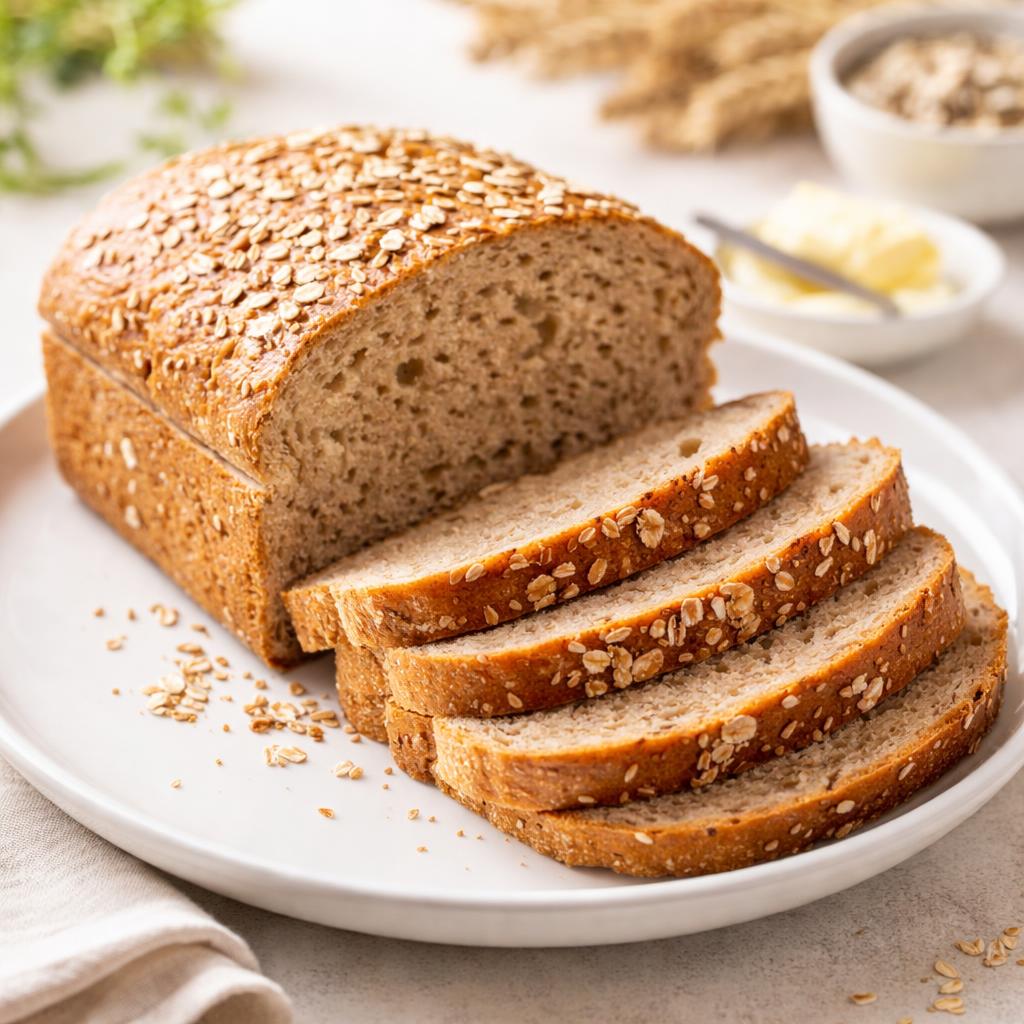
Whole Wheat Bread
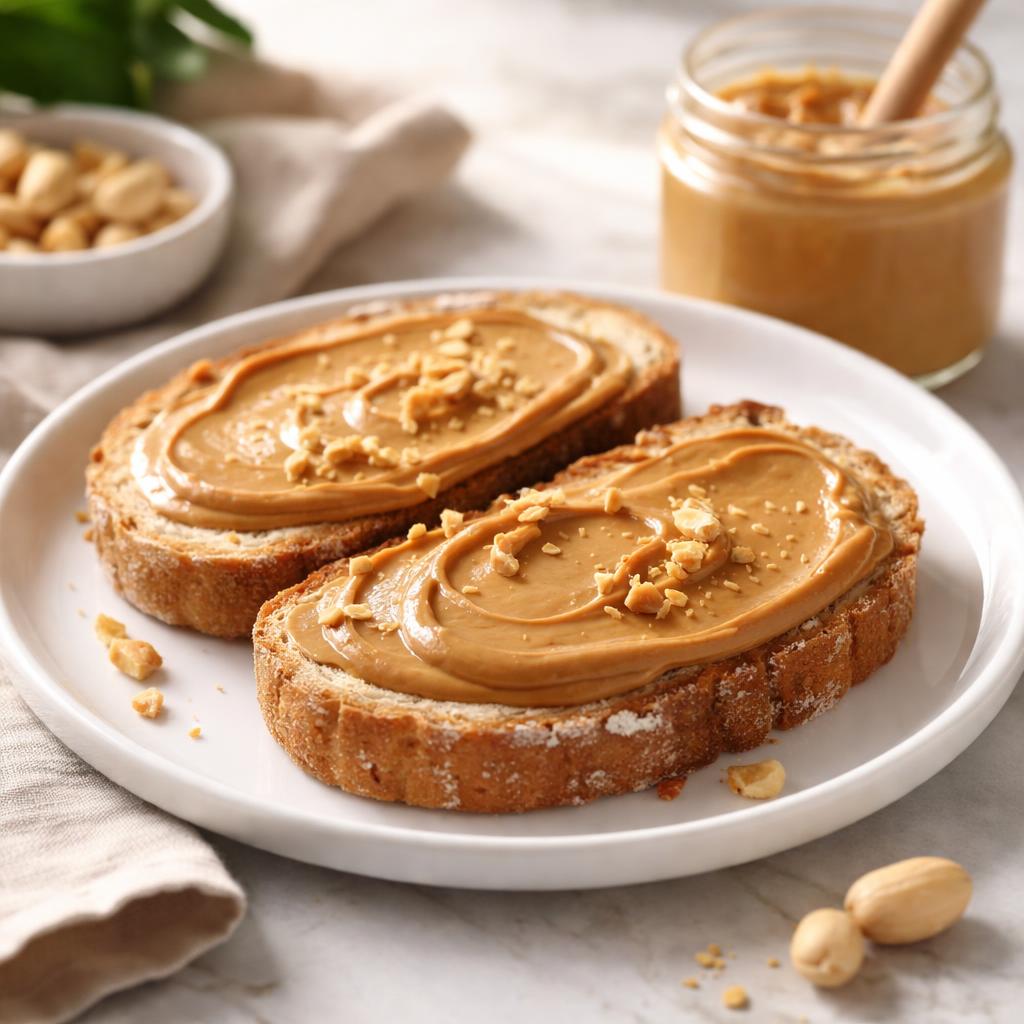
Bread With Peanut Butter
🎯 Quick Verdict
Whole wheat bread is lower in calories and higher in fiber, making it ideal for weight loss and digestion. Bread with peanut butter offers significantly more protein and healthy fats, making it suitable for sustained energy and muscle maintenance. Both foods are plant-based and nutrient-dense but suit different dietary goals.

Smart Nutrition Tracking with SnapCalorie

📊 Nutritional Comparison
Macronutrients
| Nutrient | Food 1 | Food 2 | Winner |
|---|---|---|---|
| Calories | 80 (per slice) | 250 (slice + 1 tbsp peanut butter) | − |
| Protein | 4g | 9g | − |
| Carbs | 15g | 17g | − |
| Fat | 0.5g | 16g | − |
| Fiber | 3g | 2g | − |
Vitamins & Minerals
| Nutrient | Food 1 | Food 2 | Winner |
|---|---|---|---|
| Vitamin E | 0mg | 2mg | − |
| Calcium | 30mg | 40mg | − |
| Iron | 1mg | 2mg | − |
🏆 Category Winners
Protein
Peanut butter adds extra protein, increasing content by over 125%.
Fiber
Whole wheat provides more dietary fiber (50% higher).
Calories
Whole wheat bread is significantly lower in calories per serving.
Vitamins
Peanut butter boosts vitamin E, calcium, and iron content.
🥗 Diet Compatibility
Keto
Food 1: Not Compatible
Food 2: Not Compatible
Both foods are too high in carbs for a keto diet.
Vegan
Food 1: Compatible
Food 2: Compatible
Both foods are plant-based as long as peanut butter does not contain animal-based additives.
Gluten Free
Food 1: Not Compatible
Food 2: Not Compatible
Whole wheat bread contains gluten.
Paleo
Food 1: Not Compatible
Food 2: Not Compatible
Bread is not allowed on paleo diets due to processed grains.
Low-Carb
Food 1: Not Compatible
Food 2: Not Compatible
Both foods exceed typical low-carb thresholds for total carbs.
💪 Health Benefits Comparison
Food 1 Benefits
- Rich in dietary fiber for digestive health
- Low in fat and calories, supporting weight management
- Provides complex carbohydrates for energy
Food 2 Benefits
- High in protein for muscle repair and maintenance
- Contains healthy unsaturated fats for heart health
- Provides small amounts of vitamin E and minerals like calcium and iron
✅ The Bottom Line
Choose whole wheat bread for a low-calorie, fiber-rich option suited for weight management and digestion. Opt for bread with peanut butter as a nutrient-dense snack or meal, particularly when you need protein, healthy fats, and sustained energy. Both are practical choices but cater to different dietary goals.
Choose Food 1 for: Weight loss, digestive health, low-fat diets
Choose Food 2 for: Muscle maintenance, sustained energy, nutrient density


