Whole Grain Bread VS Wholewheat Bread
A detailed nutritional comparison
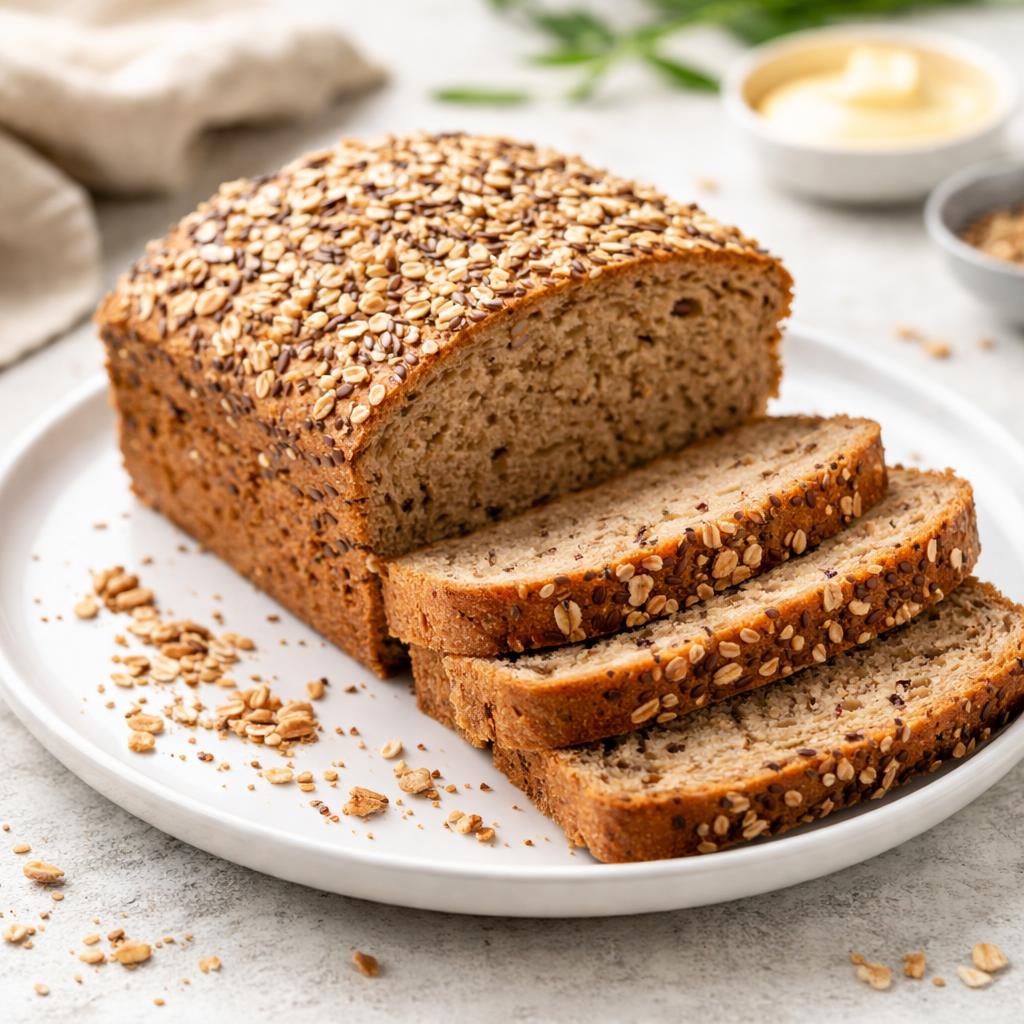
Whole Grain Bread
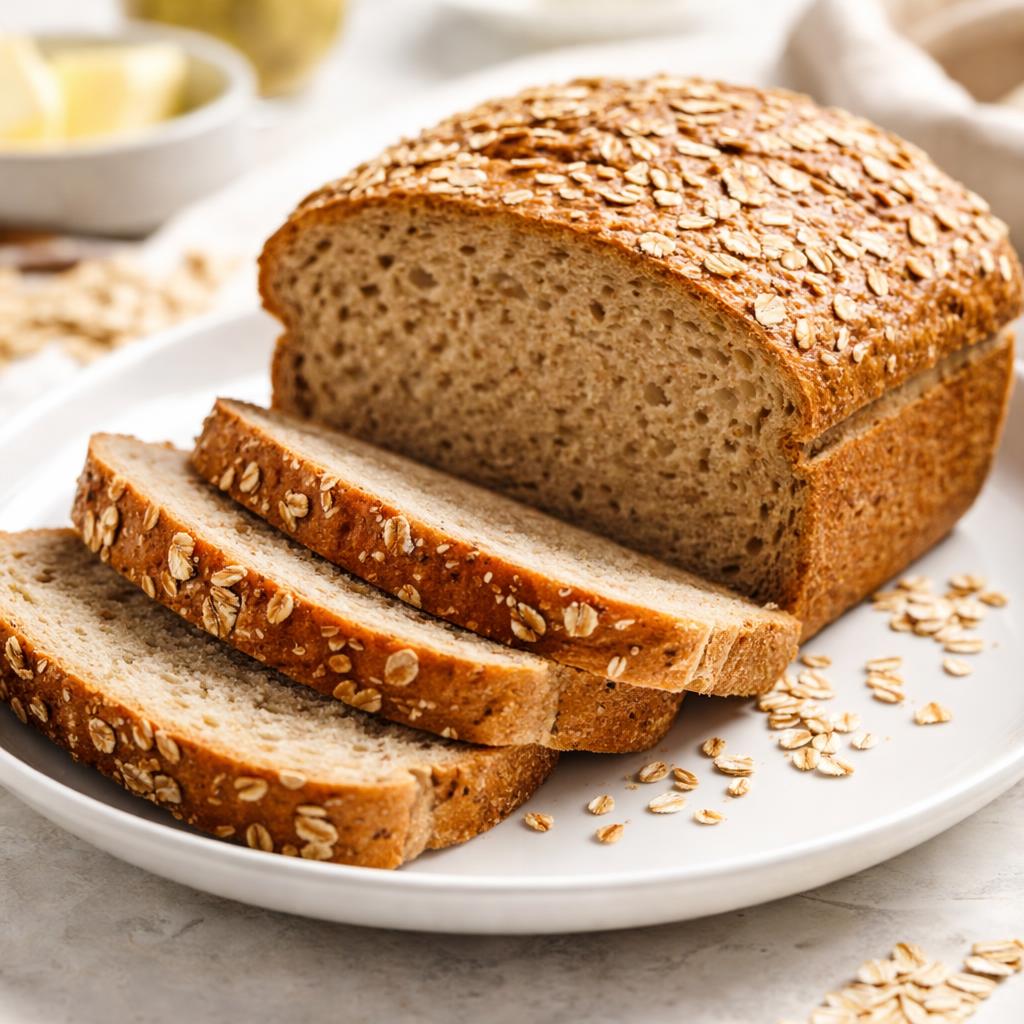
Wholewheat Bread
🎯 Quick Verdict
Whole grain bread and wholewheat bread are nutritionally similar but differ slightly in their fiber and protein content. Wholewheat bread typically contains slightly more fiber (4g vs 3g per slice) and protein (5g vs 4g per slice), making it slightly better for satiety and digestion. Both are excellent sources of whole grain nutrients with similar caloric profiles (around 100 calories per slice). Whole grain bread has a slightly milder flavor and can be more versatile for sandwiches, while wholewheat bread is heartier in texture and taste.

Smart Nutrition Tracking with SnapCalorie

📊 Nutritional Comparison
Macronutrients
| Nutrient | Food 1 | Food 2 | Winner |
|---|---|---|---|
| Calories | − | ||
| Protein | − | ||
| Carbs | − | ||
| Fat | − | ||
| Fiber | − |
Vitamins & Minerals
| Nutrient | Food 1 | Food 2 | Winner |
|---|---|---|---|
| Vitamin B6 | − | ||
| Folate | − | ||
| Iron | − |
🏆 Category Winners
Protein
Wholewheat bread contains 25% more protein per serving.
Fiber
Wholewheat bread offers 33% more dietary fiber.
Calories
Both options provide similar caloric count per slice (100 calories).
🥗 Diet Compatibility
Keto
Food 1: Unknown
Food 2: Unknown
Both breads have high carbohydrate content, making them unsuitable for keto diets.
Vegan
Food 1: Unknown
Food 2: Unknown
Both breads are plant-based and free from animal-derived ingredients.
Gluten Free
Food 1: Unknown
Food 2: Unknown
Both breads contain gluten due to their wheat-based ingredients.
Paleo
Food 1: Unknown
Food 2: Unknown
Bread is not paleo-friendly due to processed grains.
Low Carb
Food 1: Unknown
Food 2: Unknown
Each slice contains over 18g carbs which is high for low-carb diets.
💪 Health Benefits Comparison
Food 1 Benefits
Food 2 Benefits
✅ The Bottom Line
Both breads are healthy options for those looking to incorporate whole grains into their diet, providing similar calories with differences in fiber and protein content. Choose wholewheat bread if you prefer a slightly higher fiber and protein profile or need a heartier bread option. Choose whole grain bread for a milder flavor and versatility in recipes.


