Whole Grain Bread VS Tuna Pasta
A detailed nutritional comparison
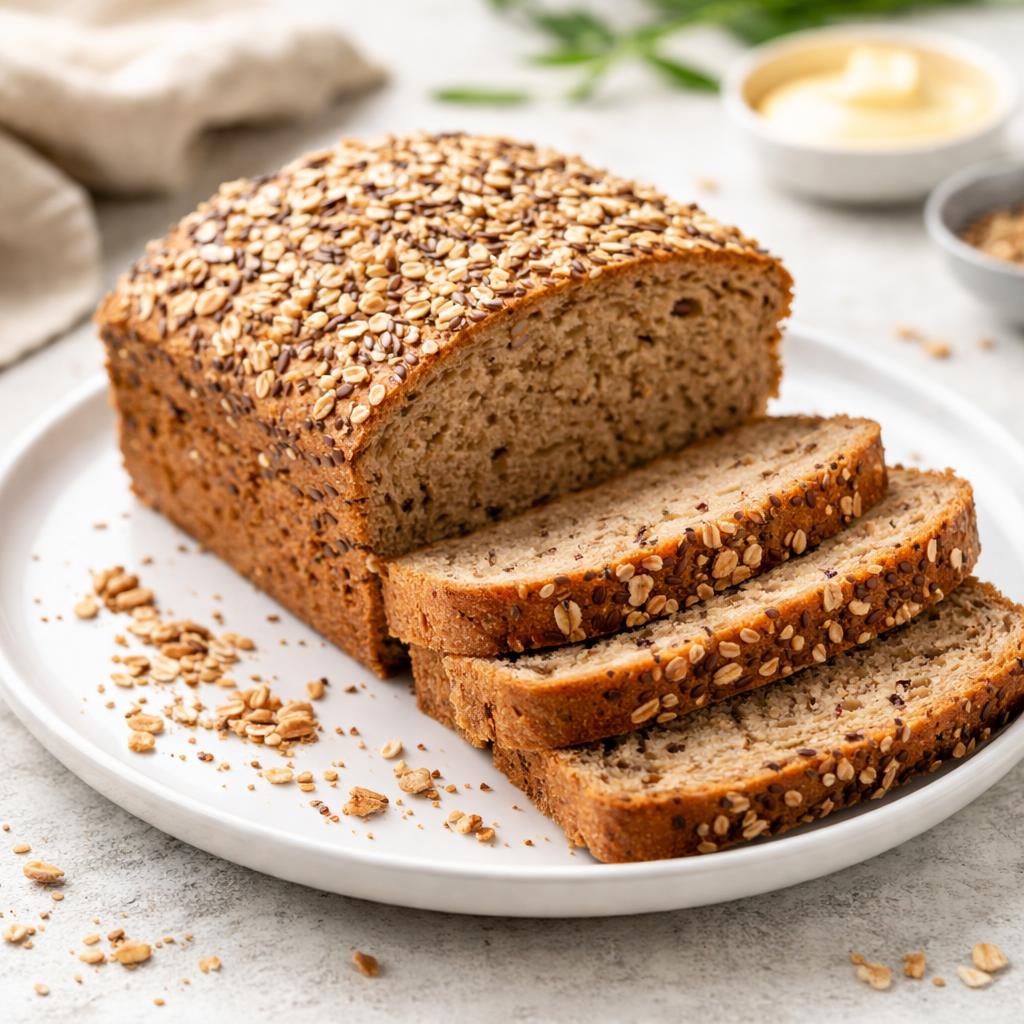
Whole Grain Bread
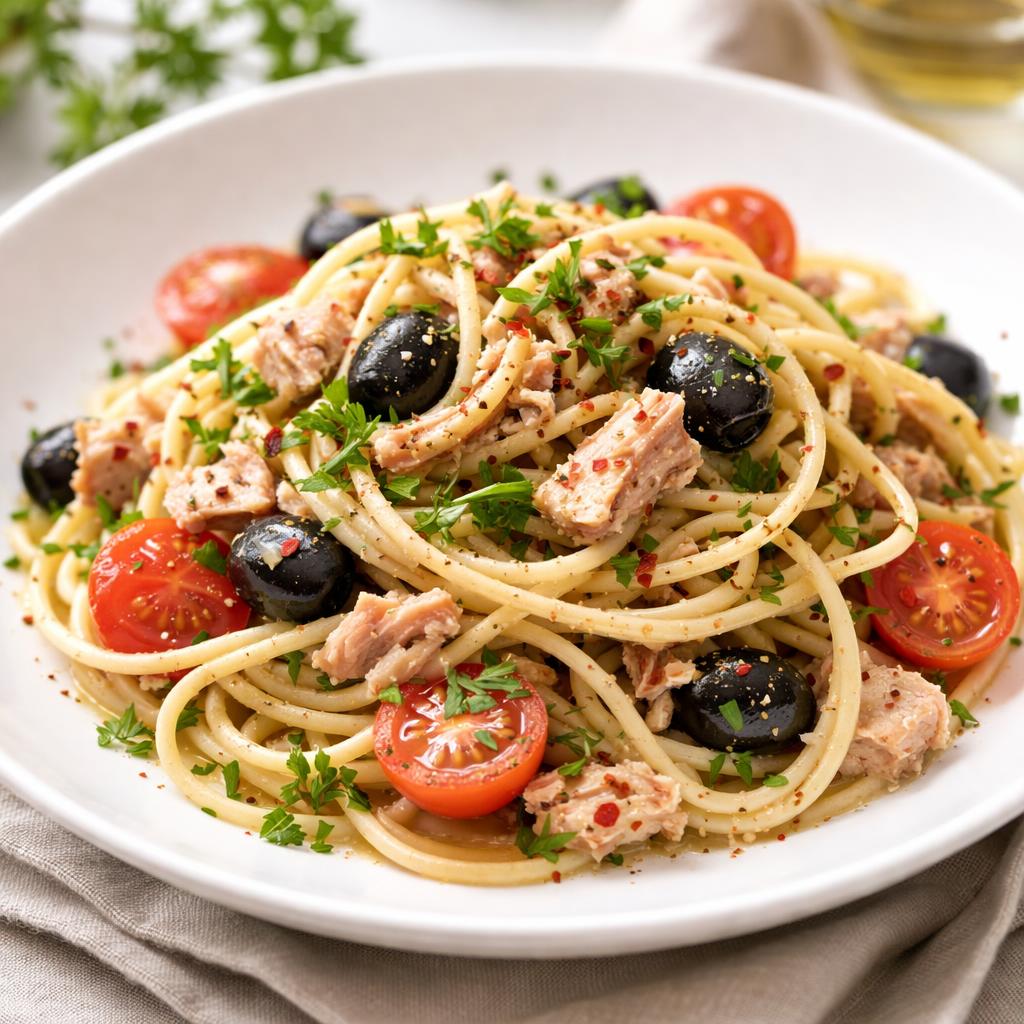
Tuna Pasta
🎯 Quick Verdict
Tuna pasta is a higher-protein option and provides more overall nutrients, ideal for muscle building and sustained energy. Whole grain bread is lower in calories and higher in fiber, making it better suited for weight management and digestion. Both foods have unique strengths depending on dietary priorities.

Smart Nutrition Tracking with SnapCalorie

📊 Nutritional Comparison
Macronutrients
| Nutrient | Food 1 | Food 2 | Winner |
|---|---|---|---|
| Calories | 80 per slice | 250 per serving | ✓ |
| Protein | 4g per slice | 20g per serving | ✓ |
| Carbs | 15g per slice | 35g per serving | ✓ |
| Fat | 1g per slice | 10g per serving | ✓ |
| Fiber | 3g per slice | 2g per serving | ✓ |
Vitamins & Minerals
| Nutrient | Food 1 | Food 2 | Winner |
|---|---|---|---|
| Vitamin D | 0mcg | 3mcg | ✓ |
| Calcium | 50mg per slice | 30mg per serving | ✓ |
| Iron | 0.8mg per slice | 1.5mg per serving | ✓ |
🏆 Category Winners
Protein
Tuna pasta contains 5x more protein per serving, ideal for muscle recovery.
Fiber
Whole grain bread delivers 50% more fiber which aids digestion.
Calories
Whole grain bread is significantly lower in calories, making it better for weight management.
Vitamins
Tuna pasta is richer in vitamin D and iron, essential for bone health and oxygen transport.
🥗 Diet Compatibility
Keto
Food 1: Not Compatible
Food 2: Not Compatible
Both are high-carb foods.
Vegan
Food 1: Compatible
Food 2: Not Compatible
Whole grain bread is plant-based, whereas tuna pasta contains fish.
Gluten Free
Food 1: Not Compatible
Food 2: Not Compatible
Both foods contain gluten from wheat-based ingredients.
Paleo
Food 1: Not Compatible
Food 2: Not Compatible
Both use grains which are not paleo-approved.
Low Carb
Food 1: Not Compatible
Food 2: Not Compatible
Both are moderate-to-high-carb foods.
💪 Health Benefits Comparison
Food 1 Benefits
- High in fiber for promoting digestion
- Low in calories for weight management
- Provides sustained energy due to complex carbohydrates
- Contains moderate levels of calcium for bone health
Food 2 Benefits
- Rich in protein for muscle growth and repair
- Good source of vitamin D for immune function
- Provides healthy fats from tuna to support heart health
- Contains iron for improved oxygen transportation in the body
✅ The Bottom Line
Whole grain bread is ideal for those seeking low-calorie and high-fiber options, perfect as part of a balanced breakfast or light snack. Tuna pasta is recommended for protein seekers, post-workout meals, or sustained energy prepping for active lifestyles.
Choose Food 1 for: Weight management, digestion, breakfast
Choose Food 2 for: Muscle building, post-workout meals, sustained energy


