Whole Grain Bread VS Steel Cut Oats
A detailed nutritional comparison
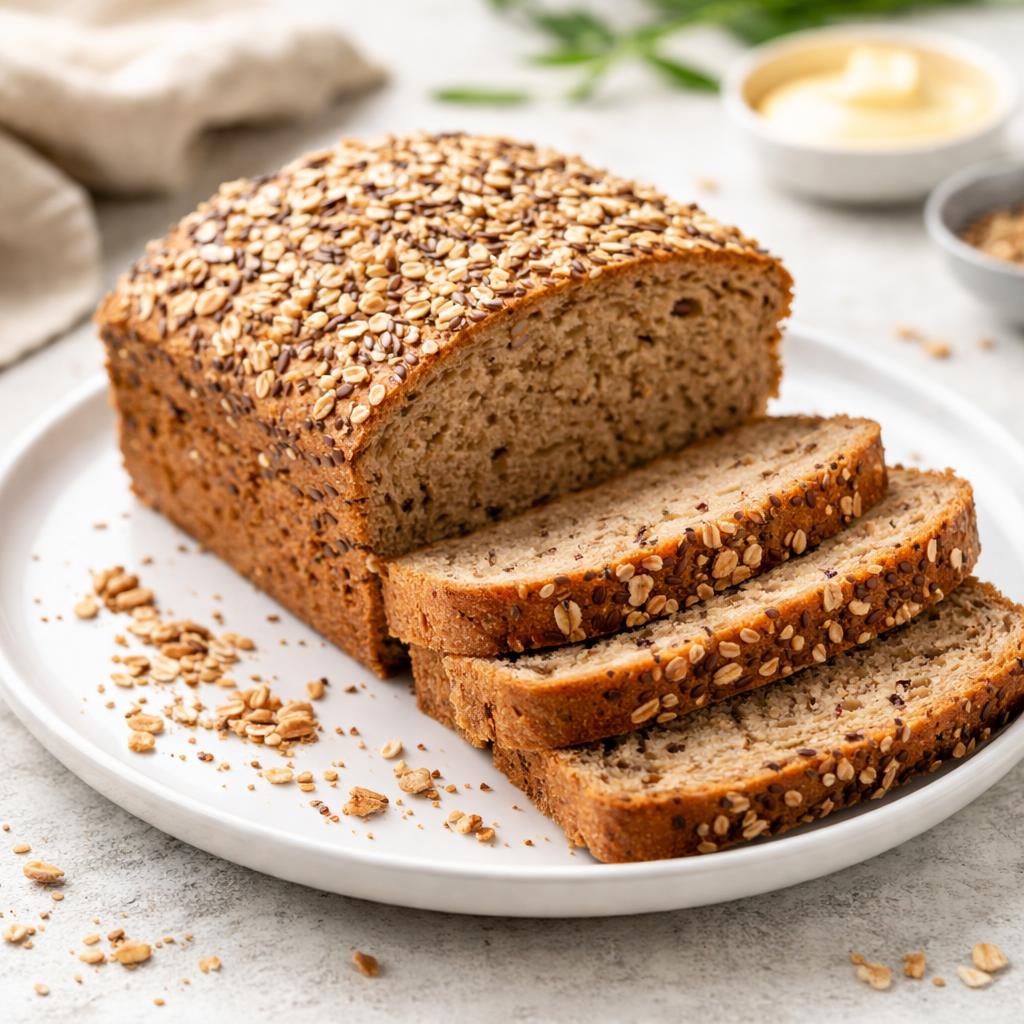
Whole Grain Bread
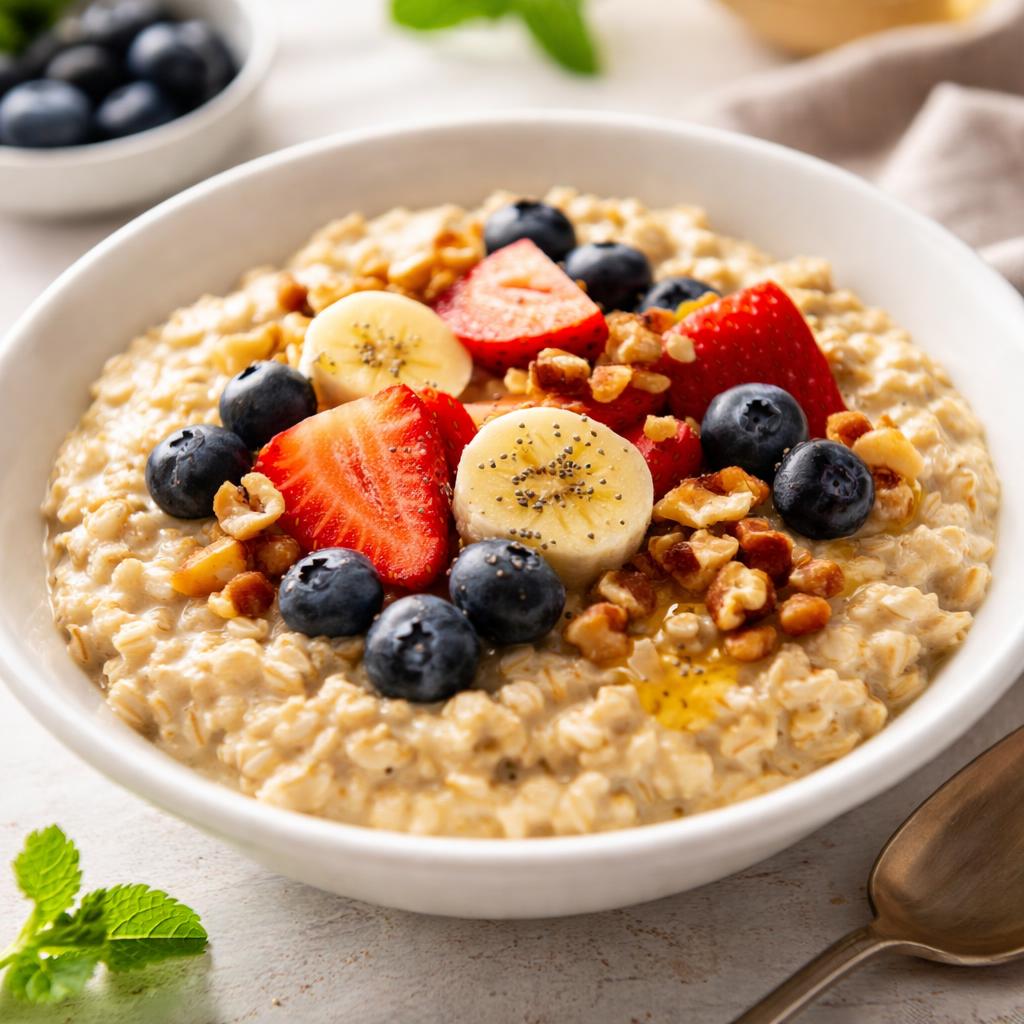
Steel Cut Oats
🎯 Quick Verdict
Whole grain bread and steel cut oats are both nutrient-dense options, but serve different dietary needs. Steel cut oats have more fiber and fewer calories, making them ideal for digestion and sustained energy. Whole grain bread provides more protein and slightly higher micronutrient density, supporting muscle maintenance and general wellness. Both are excellent for carbohydrate-driven energy, but with different advantages depending on your goals.

Smart Nutrition Tracking with SnapCalorie

📊 Nutritional Comparison
Macronutrients
| Nutrient | Food 1 | Food 2 | Winner |
|---|---|---|---|
| Calories | 80 per slice (28g) | 150 per 40g serving | ✓ |
| Protein | 4g | 5g | ✓ |
| Carbs | 14g | 27g | ✓ |
| Fat | 1g | 2.5g | ✓ |
| Fiber | 2g | 4.5g | ✓ |
Vitamins & Minerals
| Nutrient | Food 1 | Food 2 | Winner |
|---|---|---|---|
| Vitamin B6 | 0.1mg | 0.07mg | ✓ |
| Iron | 0.8mg | 1.4mg | ✓ |
| Magnesium | 22mg | 36mg | ✓ |
| Zinc | 0.3mg | 0.5mg | ✓ |
🏆 Category Winners
Protein
Whole grain bread offers slightly higher protein density despite smaller individual serving size.
Fiber
Steel cut oats contain over double the fiber per serving, ideal for digestion health.
Calories
Steel cut oats have fewer calories overall for equivalent nutrient density.
Vitamins
Steel cut oats are richer in iron, magnesium, and zinc, while whole grain bread edges out for vitamin B6.
🥗 Diet Compatibility
Keto
Food 1: Not Compatible
Food 2: Not Compatible
Both foods are higher in carbs due to their whole grain nature.
Vegan
Food 1: Compatible
Food 2: Compatible
Both are plant-based and suitable for vegans.
Gluten Free
Food 1: Not Compatible
Food 2: Compatible when clean processed oats are chosen
Whole grain bread contains gluten, but steel cut oats can be certified gluten-free if processed in clean facilities.
Paleo
Food 1: Not Compatible
Food 2: Not Compatible
Neither food aligns with the paleo diet due to their grain base.
Low-Carb
Food 1: Not Compatible
Food 2: Not Compatible
Both are high-carb foods, typical of their category.
💪 Health Benefits Comparison
Food 1 Benefits
- Offers a higher protein-per-serving ratio, aiding muscle repair and maintenance.
- Contains B vitamins, which support energy production and nervous system health.
- Good source of fiber for digestive regularity.
Food 2 Benefits
- Rich in iron and magnesium, supporting blood health and muscle function.
- Provides slow-digesting carbohydrates, ideal for sustained energy and blood sugar stability.
- Excellent source of dietary fiber for gut health.
✅ The Bottom Line
Whole grain bread is better for quick meals, convenience, and protein needs, while steel cut oats provide better support for long-term energy, higher fiber intake, and mineral-rich diets. Choose based on your meal goals and lifestyle priorities.
Choose Food 1 for: Convenience, weight maintenance, high-protein snacks, quick meals
Choose Food 2 for: Heart health, digestion improvement, sustained energy, nutrient density


