Whole Grain Bread VS Rice With Herbs
A detailed nutritional comparison
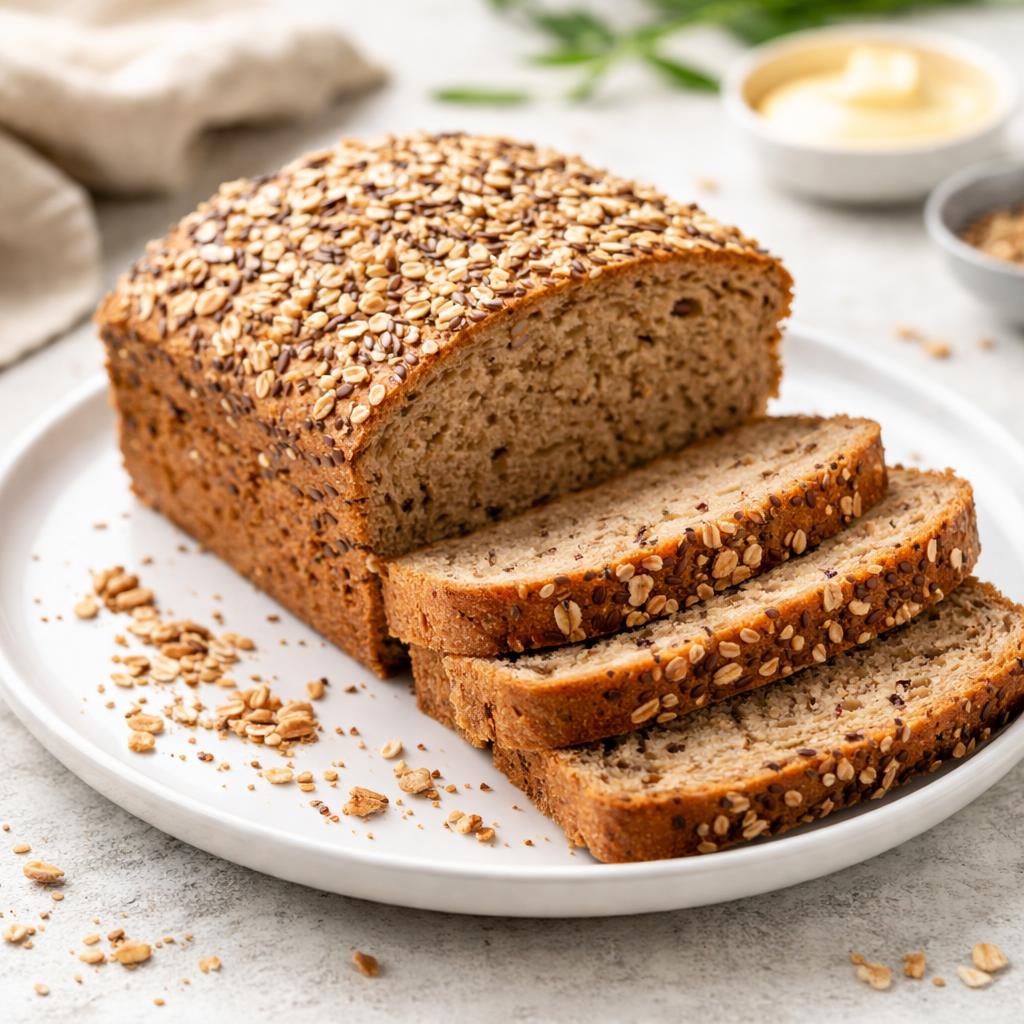
Whole Grain Bread
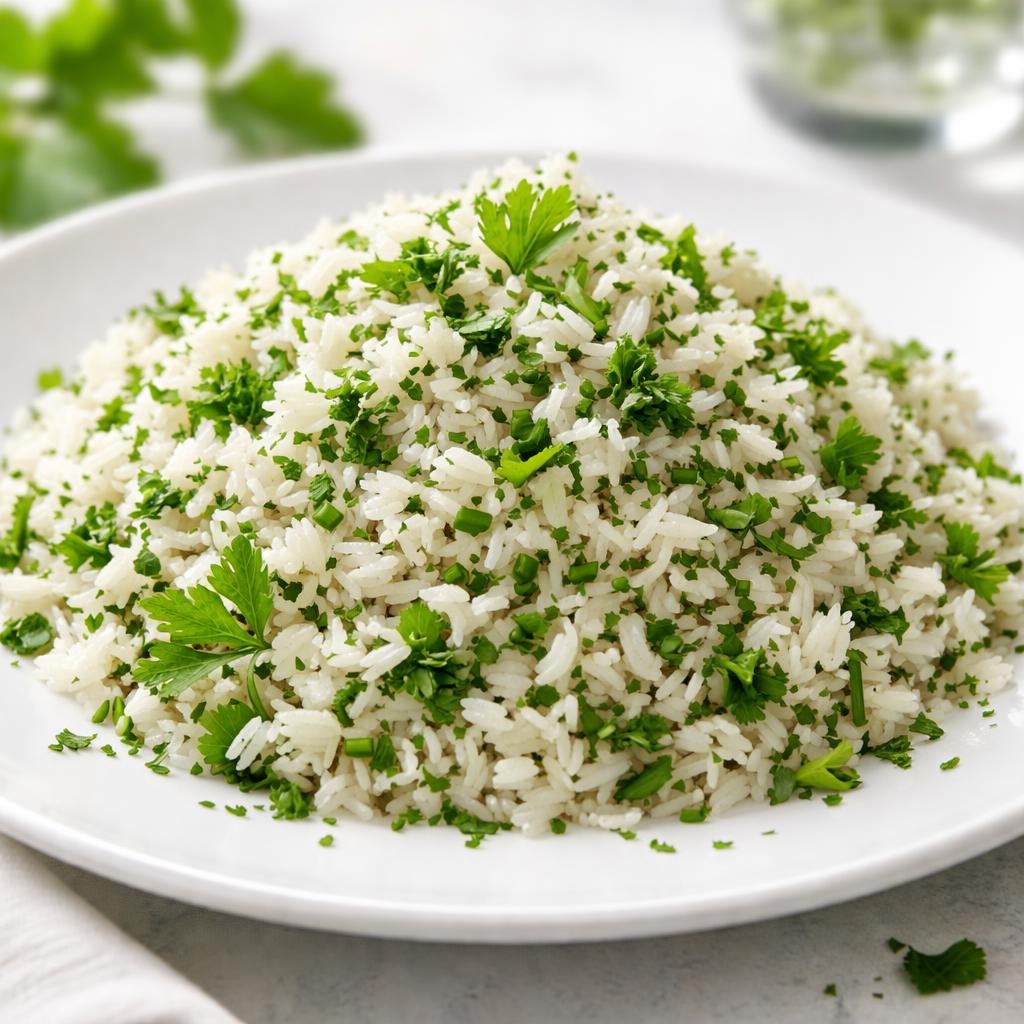
Rice With Herbs
🎯 Quick Verdict
Whole grain bread offers more protein, fewer calories, and ties with rice in fiber content, making it an overall better choice for weight management and muscle support. Rice with herbs provides more vitamins and can be a great nutrient-dense option, especially for heart health and antioxidant intake.

Smart Nutrition Tracking with SnapCalorie

📊 Nutritional Comparison
Macronutrients
| Nutrient | Food 1 | Food 2 | Winner |
|---|---|---|---|
| Calories | 120 per slice (~40g) | 200 per cup (~158g) | ✓ |
| Protein | 5g | 4g | ✓ |
| Carbs | 22g | 44g | ✓ |
| Fat | 1g | 1g | − |
| Fiber | 3g | 3g | − |
Vitamins & Minerals
| Nutrient | Food 1 | Food 2 | Winner |
|---|---|---|---|
| Vitamin B6 | 0.1mg | 0.2mg | ✓ |
| Folate | 25mcg | 60mcg | ✓ |
| Magnesium | 20mg | 40mg | ✓ |
| Iron | 1.2mg | 0.8mg | ✓ |
🏆 Category Winners
Protein
Whole grain bread provides 25% more protein per serving compared to rice.
Fiber
Both foods contain 3g of fiber per serving.
Calories
Bread has 40% fewer calories per equivalent serving size.
Vitamins
Rice with herbs has higher amounts of Vitamin B6 and folate, as well as magnesium.
🥗 Diet Compatibility
Keto
Food 1: Not Compatible
Food 2: Not Compatible
Both foods are high in carbohydrates.
Vegan
Food 1: Compatible
Food 2: Compatible
Both foods are suitable for plant-based diets.
Gluten Free
Food 1: Not Compatible
Food 2: Compatible
Whole grain bread contains wheat, while rice is naturally gluten-free.
Paleo
Food 1: Not Compatible
Food 2: Compatible
Bread is not allowed on paleo diets, but rice may be compatible depending on the version of paleo followed.
Low-Carb
Food 1: Not Compatible
Food 2: Not Compatible
Both foods are relatively high in carbohydrates and not suitable for low-carb diets.
💪 Health Benefits Comparison
Food 1 Benefits
- Provides sustained energy from complex carbohydrates.
- Rich in dietary fiber for better digestion.
- Higher protein content supports muscle maintenance.
Food 2 Benefits
- Contains herbs with antioxidants for immune support.
- High in folate, beneficial for cell renewal and pregnancy health.
- Provides magnesium for muscle and nerve function.
✅ The Bottom Line
Choose whole grain bread for weight management, digestion support, and higher protein intake, especially for post-workout meals. Opt for rice with herbs for its nutrient density, especially folate and magnesium, and its compatibility with gluten-free and paleo diets.
Choose Food 1 for: Weight management, high-protein diets, everyday meals
Choose Food 2 for: Heart health, nutrient-dense recipes, gluten-free and paleo diets


