Whole Grain Bread VS Rice Crackers
A detailed nutritional comparison
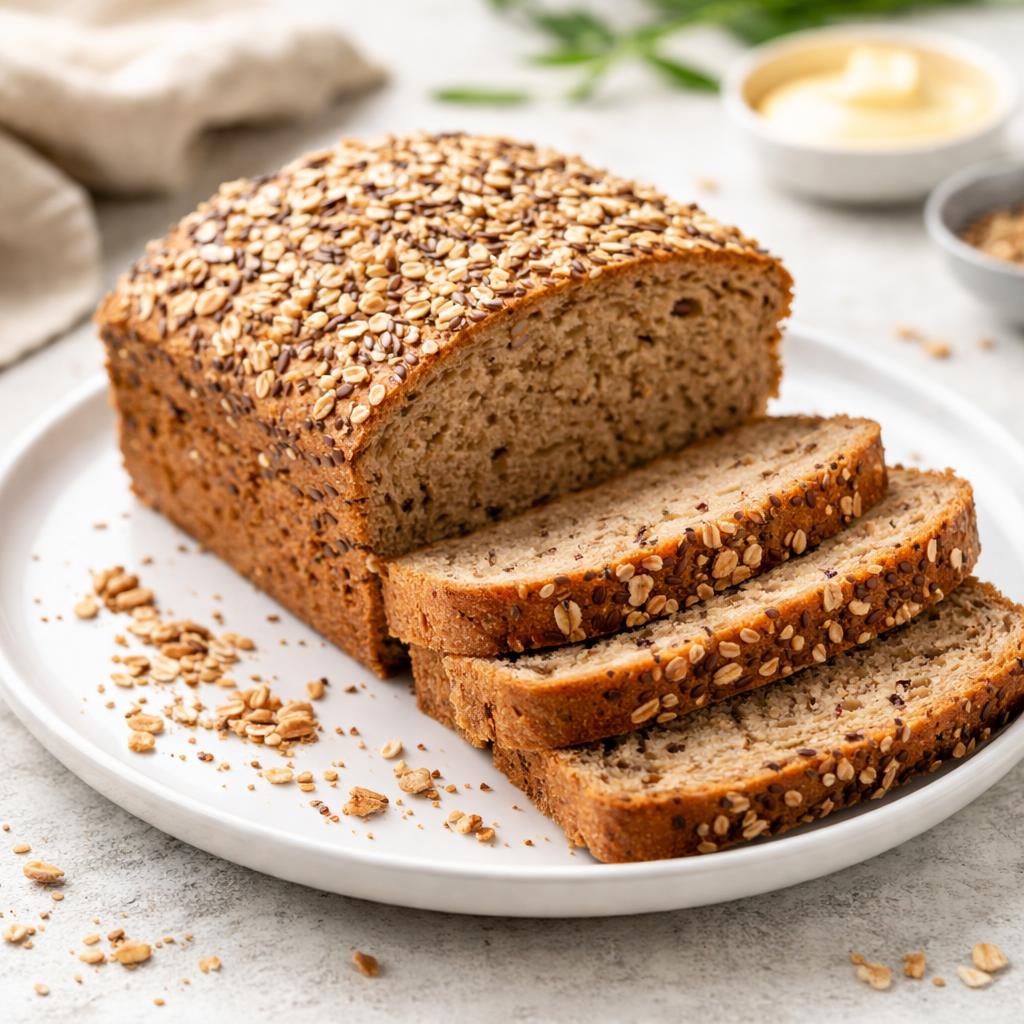
Whole Grain Bread
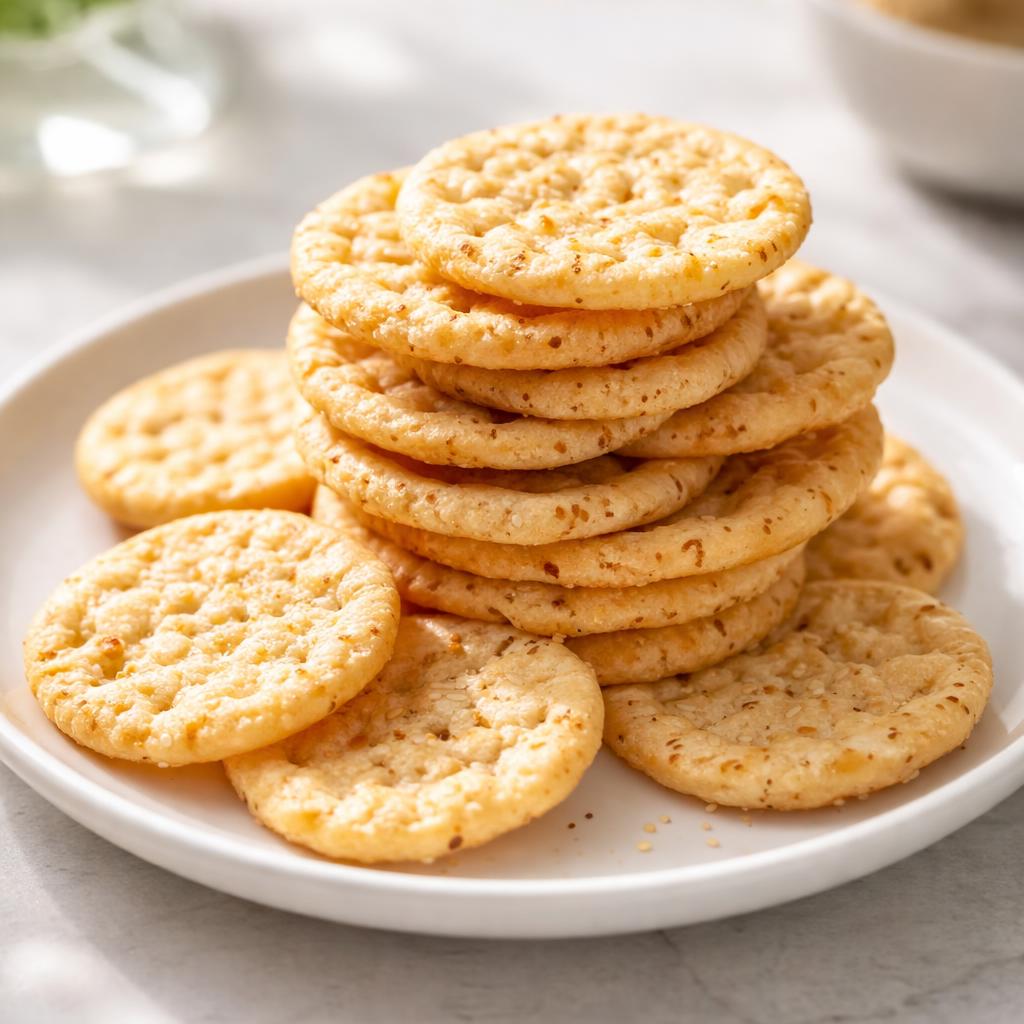
Rice Crackers
🎯 Quick Verdict
Whole grain bread provides substantially higher protein, fiber, and micronutrient content compared to rice crackers, making it better for satiety and nutrition. Rice crackers are lower in calories but less nutrient-dense, ideal for light snacking. Choose based on your calorie and nutrient needs.

Smart Nutrition Tracking with SnapCalorie

📊 Nutritional Comparison
Macronutrients
| Nutrient | Food 1 | Food 2 | Winner |
|---|---|---|---|
| Calories | 70 per slice | 45 per cracker (approx. 10g each) | ✓ |
| Protein | 3.5g | 1g | ✓ |
| Carbs | 12g | 10g | ✓ |
| Fat | 0.8g | 0.2g | ✓ |
| Fiber | 2g | 0.3g | ✓ |
Vitamins & Minerals
| Nutrient | Food 1 | Food 2 | Winner |
|---|---|---|---|
| Vitamin B6 | 0.1mg | 0.02mg | ✓ |
| Niacin (Vitamin B3) | 1.4mg | 0.1mg | ✓ |
| Iron | 0.8mg | 0.2mg | ✓ |
| Magnesium | 23mg | 2mg | ✓ |
🏆 Category Winners
Protein
Whole grain bread has over 3 times the protein per serving.
Fiber
Whole grain bread provides nearly 7 times more fiber.
Calories
Rice crackers are almost 36% lower in calories.
Vitamins
Whole grain bread contains significantly higher levels of key vitamins and minerals like iron and magnesium.
🥗 Diet Compatibility
Keto
Food 1: Not Compatible
Food 2: Not Compatible
Both foods are high-carb and unsuitable for keto.
Vegan
Food 1: Compatible
Food 2: Compatible
Both foods are plant-based and suitable for vegans.
Gluten Free
Food 1: Not Compatible
Food 2: Compatible if labeled gluten-free
Whole grain bread contains gluten; select specific rice crackers labeled gluten-free.
Paleo
Food 1: Not Compatible
Food 2: Not Compatible
Both are grain-based, which does not adhere to the paleo diet.
Low Carb
Food 1: Not Compatible
Food 2: Not Compatible
Neither food is low-carb due to relatively high carbohydrate content.
💪 Health Benefits Comparison
Food 1 Benefits
- Rich in fiber to support digestion and promote fullness.
- Contains protein for muscle repair and maintenance.
- Provides B vitamins and iron for energy production and oxygen transport.
Food 2 Benefits
- Low-calorie option for controlled snacking.
- Low-fat, making it suitable for heart-healthy diets.
- Can provide quick carbohydrate-based energy.
✅ The Bottom Line
Whole grain bread is a better choice for balanced nutrition, providing higher protein, fiber, and micronutrient content. Rice crackers are best for controlled calorie snacking or to complement other low-calorie foods. Select based on satiety or calorie needs.
Choose Food 1 for: Daily meals, satiety, increased fiber intake.
Choose Food 2 for: Light snacking, low-calorie diets, quick-carbohydrate energy.


