Whole Grain Bread VS Plain Rice
A detailed nutritional comparison
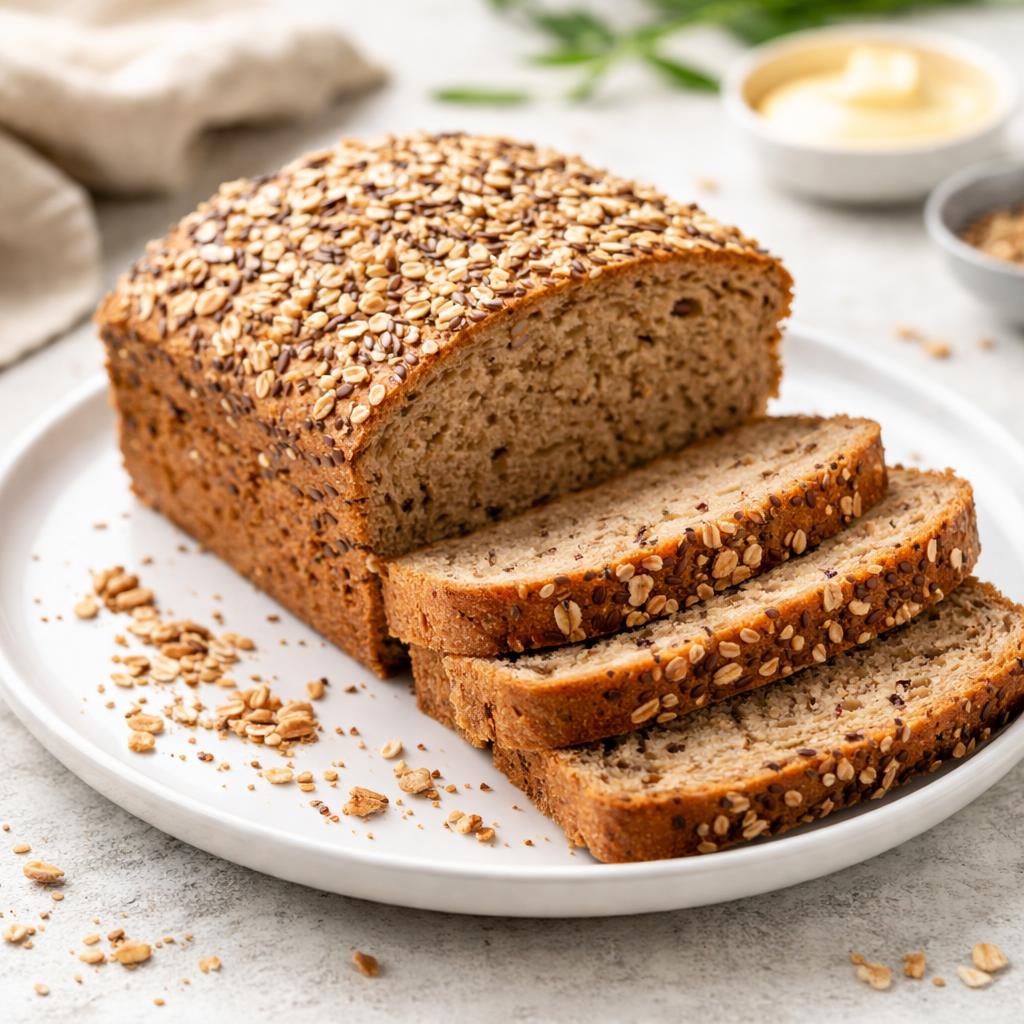
Whole Grain Bread
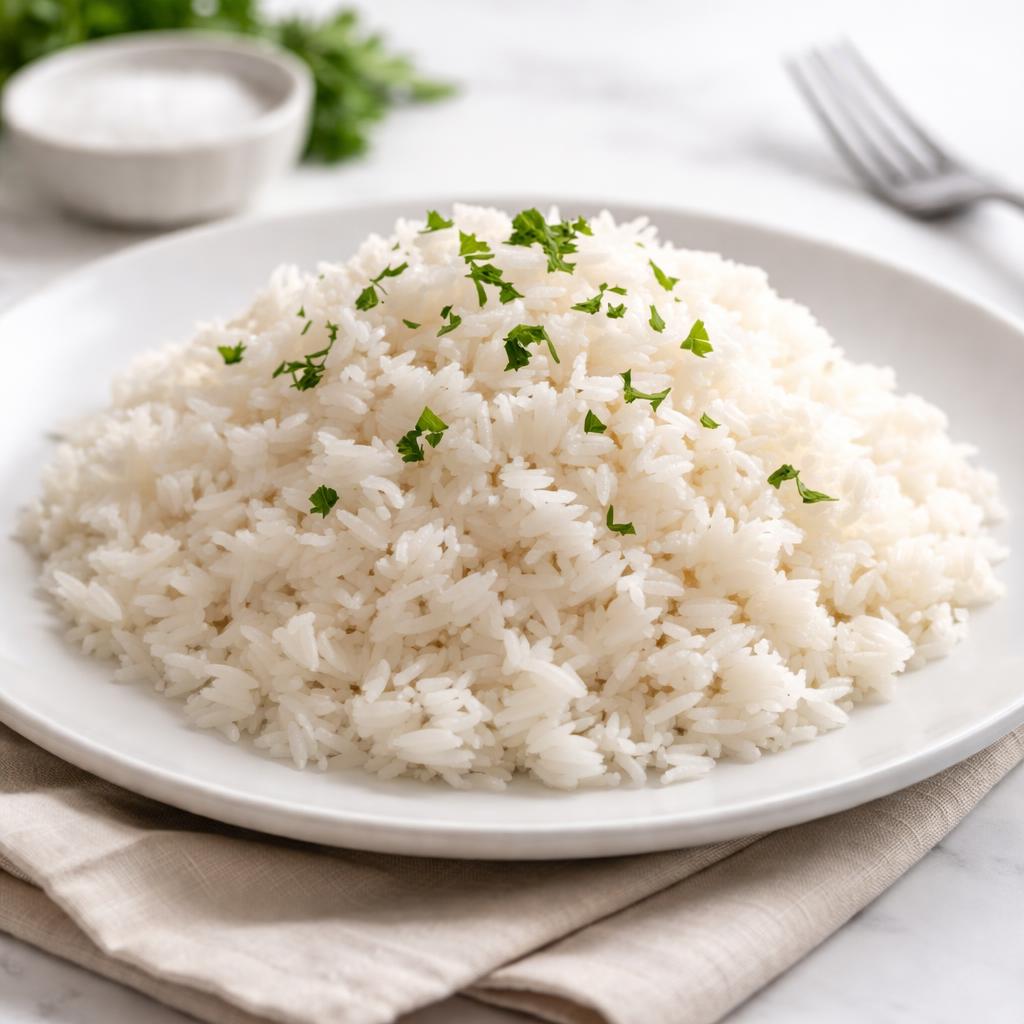
Plain Rice
🎯 Quick Verdict
Whole grain bread and plain rice differ significantly in their nutritional profiles. Whole grain bread is higher in protein, fiber, and essential nutrients, making it an overall healthier option. Plain rice is lower in calories per serving but lacks fiber and some vitamins. Bread is better suited for a nutrient-dense meal, while rice works well in higher energy-requirement dishes or for those needing easily digestible carbs.

Smart Nutrition Tracking with SnapCalorie

📊 Nutritional Comparison
Macronutrients
| Nutrient | Food 1 | Food 2 | Winner |
|---|---|---|---|
| Calories | 110 | 130 | ✓ |
| Protein | 5g | 2g | ✓ |
| Carbs | 20g | 28g | ✓ |
| Fat | 1g | 0g | ✓ |
| Fiber | 3g | 0g | ✓ |
Vitamins & Minerals
| Nutrient | Food 1 | Food 2 | Winner |
|---|---|---|---|
| Vitamin B6 | 0.1mg | 0.01mg | ✓ |
| Magnesium | 30mg | 10mg | ✓ |
| Iron | 1.6mg | 0.2mg | ✓ |
🏆 Category Winners
Protein
Whole grain bread has 150% more protein per serving compared to plain rice.
Fiber
Whole grain bread contains 3g of fiber, while rice has none.
Calories
Bread has 15% fewer calories per serving.
Vitamins
Bread is richer in B vitamins, magnesium, and iron compared to rice.
🥗 Diet Compatibility
Keto
Food 1: Not Compatible
Food 2: Not Compatible
Both are high in carbs and unsuitable for keto diets.
Vegan
Food 1: Compatible
Food 2: Compatible
Both are plant-based foods suitable for vegan diets.
Gluten Free
Food 1: Not Compatible
Food 2: Compatible
Whole grain bread contains gluten, whereas rice is naturally gluten-free.
Paleo
Food 1: Not Compatible
Food 2: Compatible
Bread is processed and contains grains, which are excluded in paleo diets.
Low-Carb
Food 1: Not Compatible
Food 2: Not Compatible
Both foods have moderate to high carbohydrate content.
💪 Health Benefits Comparison
Food 1 Benefits
- Rich source of dietary fiber, which improves digestion and supports gut health
- Contains valuable B vitamins and magnesium for energy metabolism
- Provides protein to help maintain and repair muscles
Food 2 Benefits
- Low in fat, making it suitable for low-fat diets or individuals needing easily digestible foods
- Provides quick energy due to its high carbohydrate content
- Gluten-free, ideal for individuals with celiac disease or gluten intolerance
✅ The Bottom Line
Whole grain bread is the more nutrient-dense option with higher fiber, protein, and vitamins, making it great for balanced meals or weight loss. Rice is best for easier digestion, higher energy needs, or gluten-free diets. Choose bread for sustained energy and nutrient richness or rice for a light carb-focused meal.
Choose Food 1 for: Weight loss, high-fiber diets, balanced meals
Choose Food 2 for: Gluten-free diets, quick digestion, high-energy meals


