Whole Grain Bread VS Gluten-Free Bread
A detailed nutritional comparison
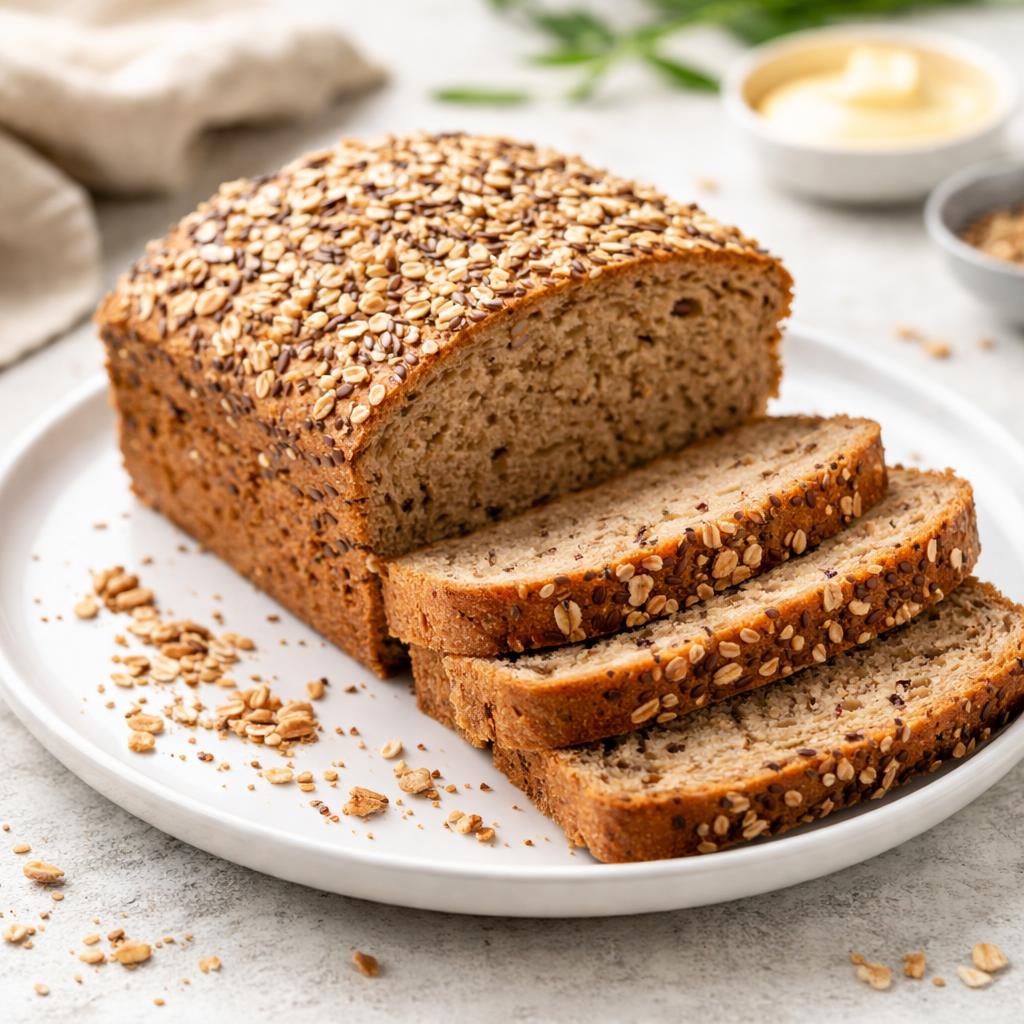
Whole Grain Bread
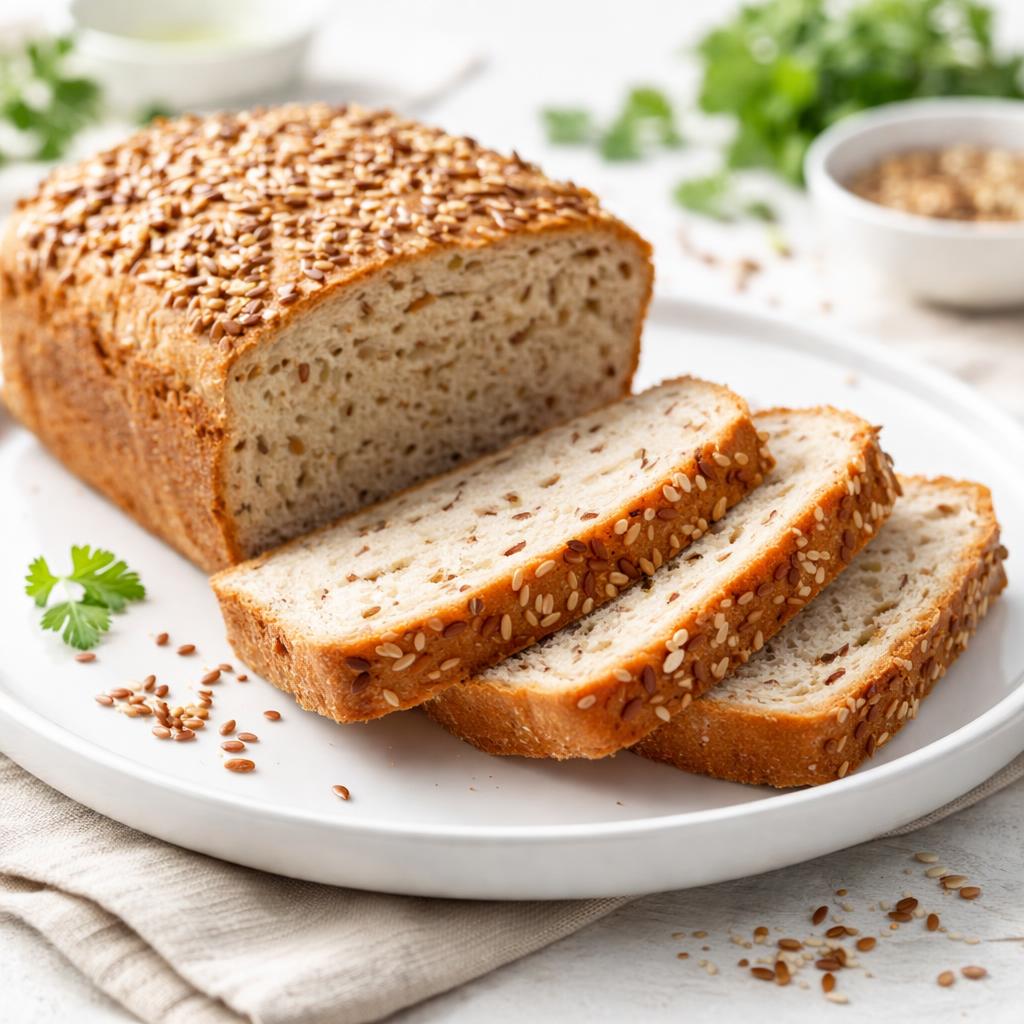
Gluten-Free Bread
🎯 Quick Verdict
Whole grain bread generally offers more protein, fiber, and fewer calories than gluten-free bread, along with a higher concentration of vitamins and minerals. Gluten-free bread is useful for individuals with celiac disease or gluten sensitivity but tends to be lower in key nutrients and higher in starches. Whole grain bread is ideal for nutrient-dense diets, while gluten-free bread caters to specific allergy-friendly needs.

Smart Nutrition Tracking with SnapCalorie

📊 Nutritional Comparison
Macronutrients
| Nutrient | Food 1 | Food 2 | Winner |
|---|---|---|---|
| Calories | 100 | 120 | − |
| Protein | 5g | 3g | − |
| Carbs | 18g | 28g | − |
| Fat | 1g | 2g | − |
| Fiber | 2g | 1g | − |
Vitamins & Minerals
| Nutrient | Food 1 | Food 2 | Winner |
|---|---|---|---|
| Vitamin B6 | 0.1mg | 0mg | − |
| Magnesium | 25mg | 5mg | − |
| Iron | 1.5mg | 0.5mg | − |
🏆 Category Winners
Protein
Whole grain bread provides about 67% more protein per serving.
Fiber
Whole grain bread has double the fiber compared to gluten-free bread.
Calories
Whole grain bread has 17% fewer calories per slice.
Vitamins
Whole grain bread is richer in essential micronutrients like magnesium and iron.
🥗 Diet Compatibility
Keto
Food 1: Not Compatible
Food 2: Not Compatible
Both foods are high in carbohydrates and unsuitable for keto diets.
Vegan
Food 1: Compatible
Food 2: Compatible
Both breads are plant-based and do not contain animal-derived ingredients.
Gluten Free
Food 1: Not Compatible
Food 2: Compatible
Gluten-free bread is tailored to avoid gluten, while whole grain bread typically contains gluten.
Paleo
Food 1: Not Compatible
Food 2: Not Compatible
Neither bread aligns with paleo principles due to grain content.
Low-Carb
Food 1: Not Compatible
Food 2: Not Compatible
Both options are relatively high in carbohydrates.
💪 Health Benefits Comparison
Food 1 Benefits
Food 2 Benefits
✅ The Bottom Line
Whole grain bread is ideal for individuals pursuing fiber, protein, and nutrient-dense diets, including athletes or those focused on heart and gut health. Gluten-free bread serves a vital role for those with celiac disease or gluten sensitivity, though it lacks the nutrient richness of whole grain bread. Choose gluten-free bread for dietary restrictions and whole grain bread for broader nutritional benefits.
Choose Food 1 for: General nutrition, high-fiber diets, sustained energy
Choose Food 2 for: Celiac disease, gluten sensitivity, allergy-friendly diets


