Whole Grain Bread VS Ezekiel Bread
A detailed nutritional comparison
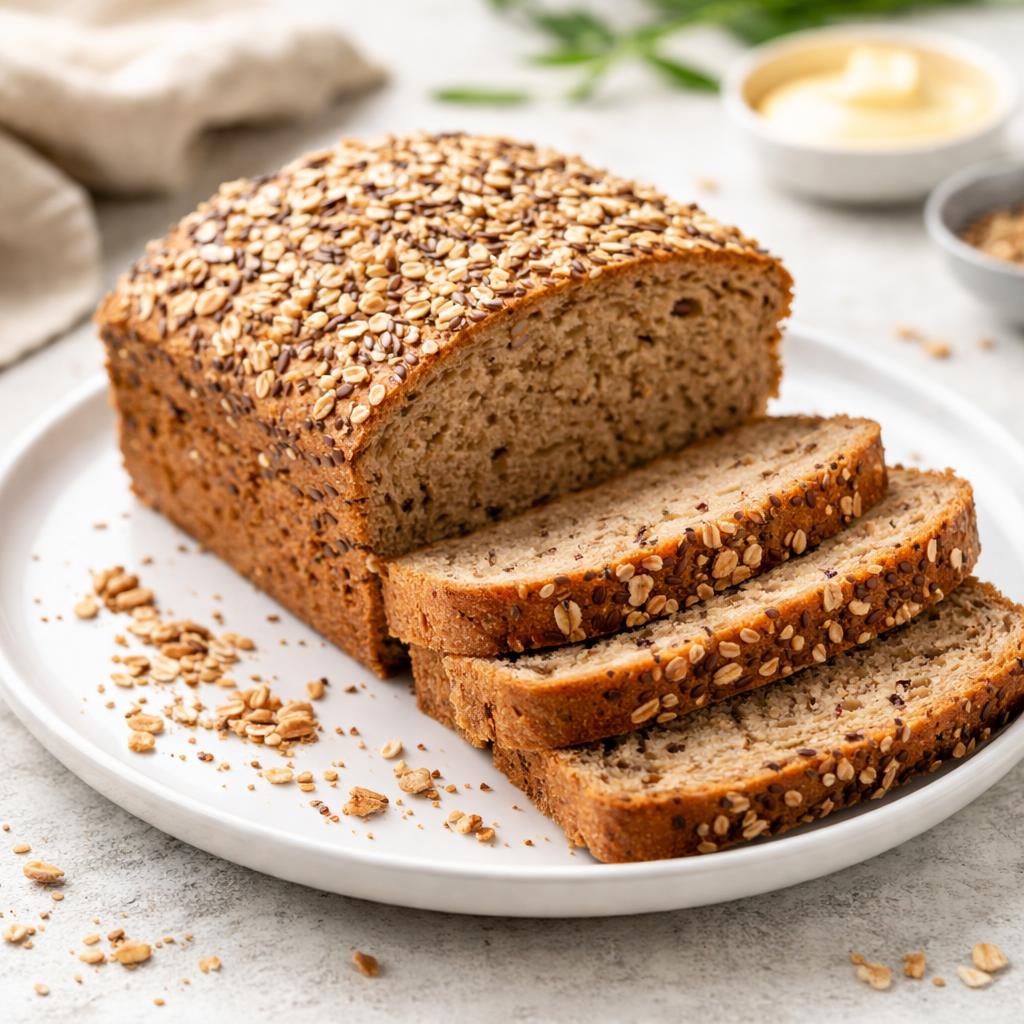
Whole Grain Bread
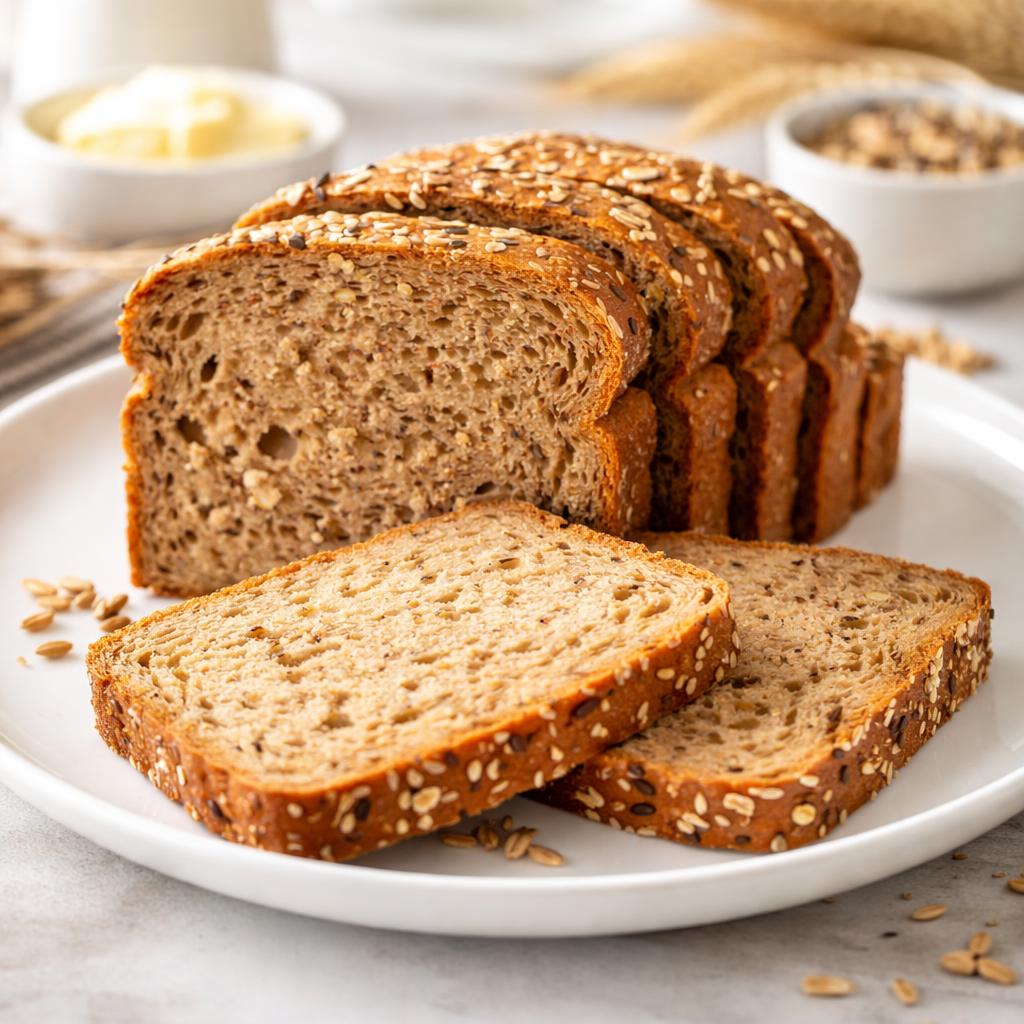
Ezekiel Bread
🎯 Quick Verdict
Whole grain bread and Ezekiel bread are both nutrient-dense options, but Ezekiel bread stands out for its higher protein and fiber content due to the use of sprouted grains and legumes. Whole grain bread has fewer calories and is more widely available, making it a convenient choice for general consumption.

Smart Nutrition Tracking with SnapCalorie

📊 Nutritional Comparison
Macronutrients
| Nutrient | Food 1 | Food 2 | Winner |
|---|---|---|---|
| Calories | 80 (per slice) | 90 (per slice) | ✓ |
| Protein | 4g | 5g | ✓ |
| Carbs | 14g | 15g | ✓ |
| Fat | 1g | 0.5g | ✓ |
| Fiber | 2g | 3g | ✓ |
Vitamins & Minerals
| Nutrient | Food 1 | Food 2 | Winner |
|---|---|---|---|
| Vitamin B6 | 0.1mg | 0.2mg | ✓ |
| Folate | 30mcg | 50mcg | ✓ |
| Iron | 0.7mg | 1mg | ✓ |
🏆 Category Winners
Protein
Ezekiel bread has 25% more protein per slice.
Fiber
Ezekiel bread contains 50% more fiber per slice.
Calories
Whole grain bread has 11% fewer calories per serving.
🥗 Diet Compatibility
Keto
Food 1: Not Compatible
Food 2: Not Compatible
Both are relatively high in carbs.
Vegan
Food 1: Compatible
Food 2: Compatible
Both breads are plant-based and contain no animal products.
Gluten Free
Food 1: Not Compatible
Food 2: Not Compatible
Both contain gluten from wheat and barley.
Paleo
Food 1: Not Compatible
Food 2: Not Compatible
Neither is suitable for paleo diets due to grains being a primary ingredient.
Low-Carb
Food 1: Not Optimal
Food 2: Not Optimal
Both have 14-15g of carbohydrates per slice, which is moderate but not low-carb friendly.
💪 Health Benefits Comparison
Food 1 Benefits
- Lower in calories for weight management
- Contains whole grains for heart health
- Provides energy through slow-digesting carbs
Food 2 Benefits
- Higher protein content supports muscle repair
- Rich in fiber to promote digestive health
- Contains sprouted grains which may enhance nutrient absorption
✅ The Bottom Line
Whole grain bread is a lighter option suitable for calorie-conscious individuals, offering broad accessibility. Ezekiel bread excels in protein and fiber content, making it better for those seeking more nutrient density and digestive benefits. Both options are nutritious but catered toward slightly different dietary goals.
Choose Food 1 for: Weight management, everyday convenience, general nutrition
Choose Food 2 for: High-protein diets, digestive support, nutrient-dense snacks


