White Rice VS Yellow Rice
A detailed nutritional comparison
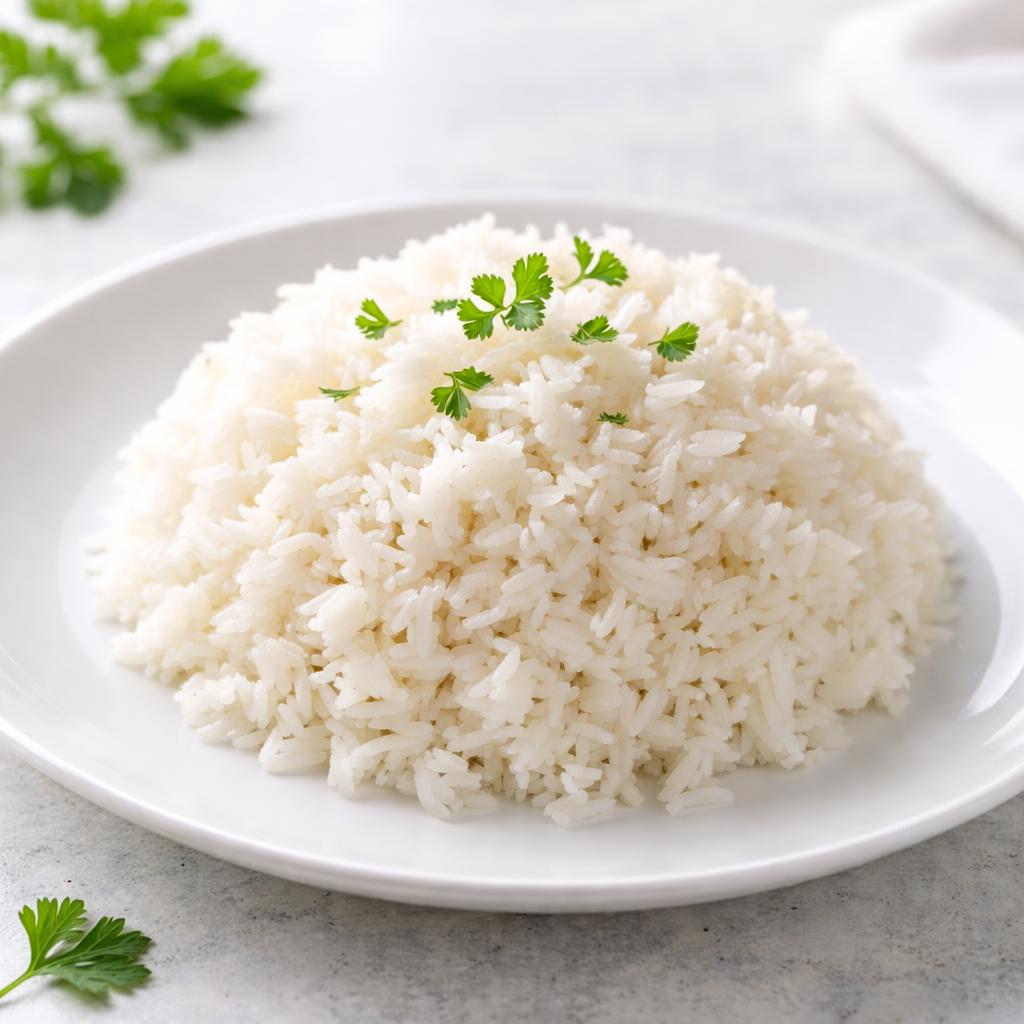
White Rice
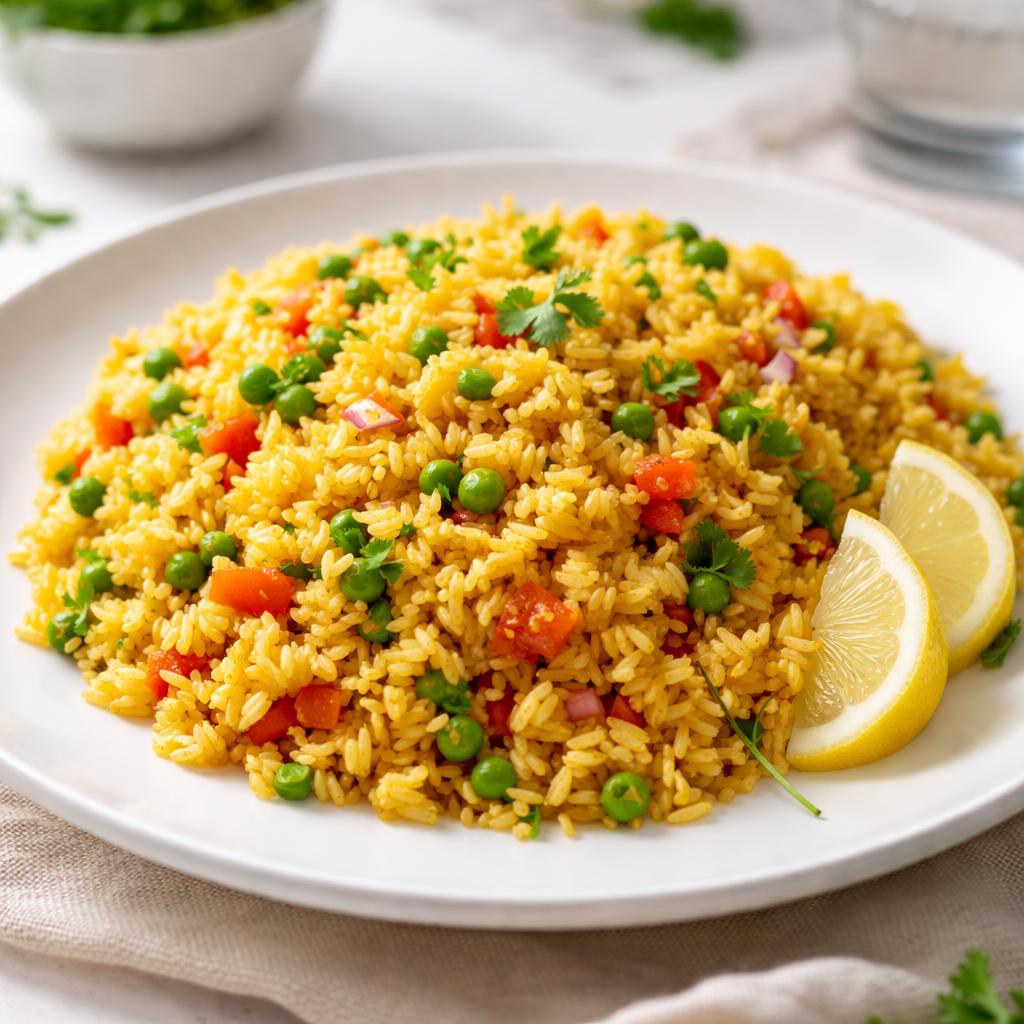
Yellow Rice
🎯 Quick Verdict
White rice and yellow rice have similar calorie and protein content, but yellow rice offers slightly more fiber and additional nutrients due to its added spices and seasonings. White rice is more neutral in flavor and versatile, while yellow rice is nutrient-dense and flavorful, making it better for dishes where taste is a priority.

Smart Nutrition Tracking with SnapCalorie

📊 Nutritional Comparison
Macronutrients
| Nutrient | Food 1 | Food 2 | Winner |
|---|---|---|---|
| Calories | 160 | 160 | − |
| Protein | 3g | 3g | − |
| Carbs | 35g | 35g | − |
| Fat | 0g | 1g | ✓ |
| Fiber | 0.5g | 1g | ✓ |
Vitamins & Minerals
| Nutrient | Food 1 | Food 2 | Winner |
|---|---|---|---|
| Vitamin A | 0mcg | 15mcg | ✓ |
| Vitamin D | 0mcg | 0mcg | − |
| Vitamin B6 | 0.1mg | 0.1mg | − |
🏆 Category Winners
Protein
Both foods provide equal protein content per serving.
Fiber
Food2 provides twice as much fiber per serving.
Calories
Both foods contain 160 calories per serving.
🥗 Diet Compatibility
Keto
Food 1: Not Compatible
Food 2: Not Compatible
Both foods are high in carbohydrates.
Vegan
Food 1: Compatible
Food 2: Compatible
Both are plant-based.
Gluten Free
Food 1: Compatible
Food 2: Compatible
Neither contains gluten.
Paleo
Food 1: Not Compatible
Food 2: Not Compatible
Rice is not considered paleo.
Low-Carb
Food 1: Not Compatible
Food 2: Not Compatible
Both foods are high in carbs.
💪 Health Benefits Comparison
Food 1 Benefits
- Provides quickly digestible energy
- Neutral flavor for versatile cooking
- Low fat content
Food 2 Benefits
- Adds more fiber for digestive health
- Contains additional nutrients from spices (e.g., turmeric)
- Rich flavor enhances meal taste
✅ The Bottom Line
Both white and yellow rice are great options depending on your nutritional and culinary needs. White rice is better for those seeking a neutral base and minimal additions, while yellow rice offers a flavorful and nutrient-dense alternative. Choose yellow rice when you want enhanced taste and slightly more health benefits.
Choose Food 1 for: Neutral base for any recipe, simple energy source, bland diets
Choose Food 2 for: Flavorful meals, dishes requiring more nutrients, better fiber intake


