White Rice VS Whipped Cream
A detailed nutritional comparison
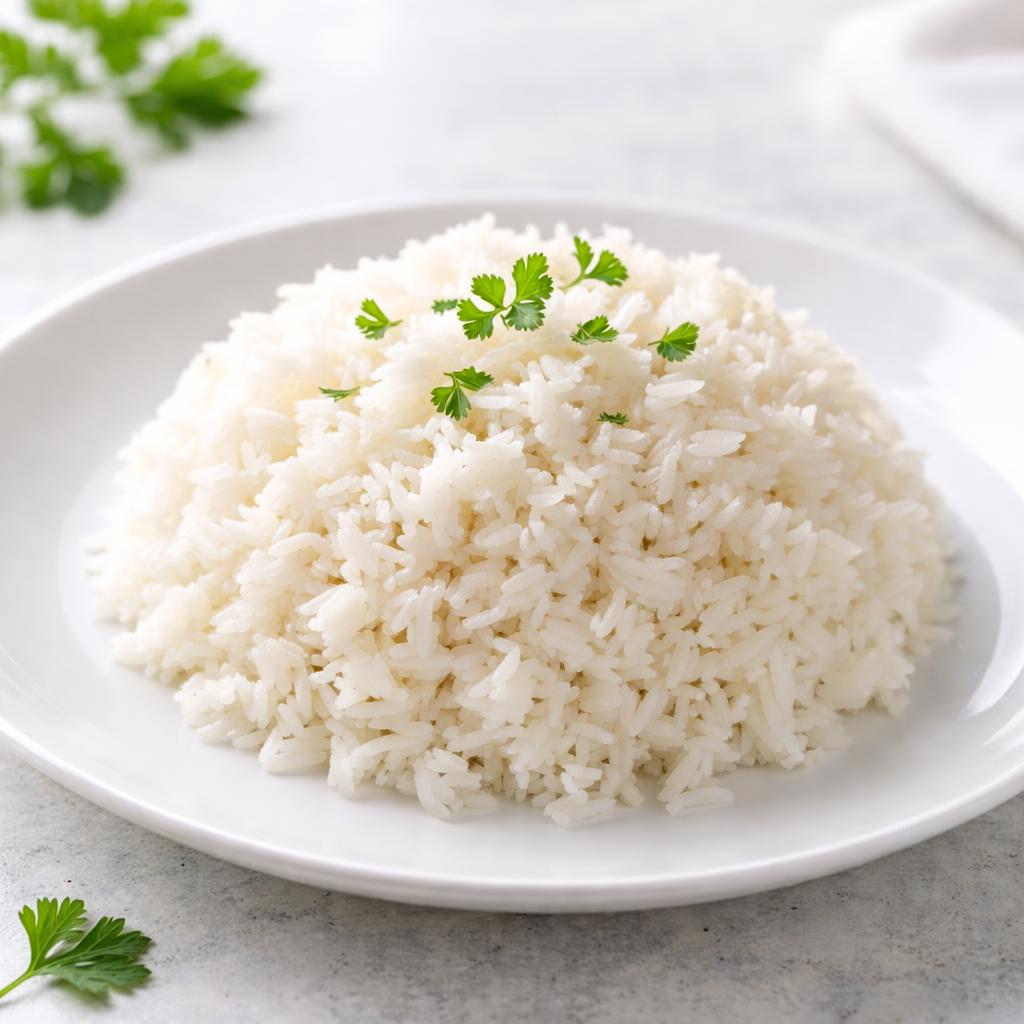
White Rice
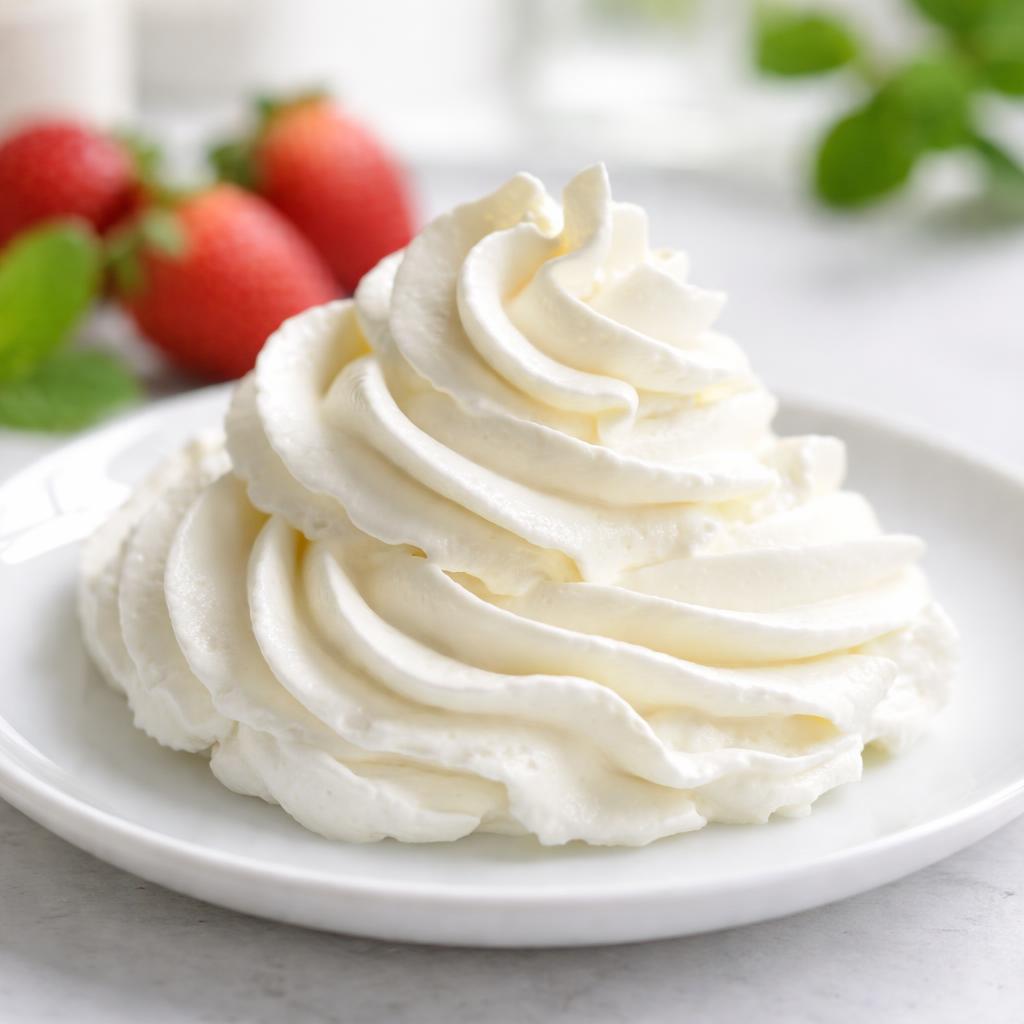
Whipped Cream
🎯 Quick Verdict
White rice offers significantly more protein, fiber, and fewer calories compared to whipped cream, which is primarily fat-based and calorically dense. White rice is a staple carbohydrate source suitable for fueling physical activities, while whipped cream is best used in moderation as a dessert topping or as part of indulgent recipes.

Smart Nutrition Tracking with SnapCalorie

📊 Nutritional Comparison
Macronutrients
| Nutrient | Food 1 | Food 2 | Winner |
|---|---|---|---|
| Calories | 130 | 257 | ✓ |
| Protein | 2.7g | 0.3g | ✓ |
| Carbs | 28g | 2.6g | ✓ |
| Fat | 0.3g | 22g | ✓ |
| Fiber | 0.4g | 0g | ✓ |
Vitamins & Minerals
| Nutrient | Food 1 | Food 2 | Winner |
|---|---|---|---|
| Vitamin D | 0mcg | 0.6mcg | ✓ |
| Calcium | 10mg | 80mg | ✓ |
| Iron | 0.2mg | 0.1mg | ✓ |
🏆 Category Winners
Protein
White rice contains 9x more protein per serving than whipped cream.
Fiber
White rice provides dietary fiber while whipped cream contains none.
Calories
White rice contains about 50% fewer calories per serving.
Vitamins
Whipped cream has higher amounts of Vitamin D and Calcium.
🥗 Diet Compatibility
Keto
Food 1: Not Compatible
Food 2: Compatible
White rice is carb-heavy; whipped cream is high-fat and low-carb.
Vegan
Food 1: Compatible
Food 2: Not Compatible
White rice is plant-based; whipped cream typically contains dairy.
Gluten Free
Food 1: Compatible
Food 2: Compatible
Neither contains gluten.
Paleo
Food 1: Compatible
Food 2: Not Compatible
White rice may fit some paleo diets, but whipped cream does not.
Low-Carb
Food 1: Not Compatible
Food 2: Compatible
White rice is high in carbs at 28g per serving.
💪 Health Benefits Comparison
Food 1 Benefits
- Provides energy through complex carbohydrates
- Low in fat, suitable for calorie-controlled diets
- Contains trace amounts of essential minerals like manganese
Food 2 Benefits
- Rich in healthy fats for energy and satiety
- Good source of calcium for bone health
- May enhance flavor perception and enjoyment of foods in small amounts
✅ The Bottom Line
White rice is a versatile, low-fat energy source and ideal for active individuals or those seeking balanced meals, but it is carb-heavy for keto or low-carb diets. Whipped cream is calorie-dense and should be used sparingly in recipes or as a dessert topper. Both have distinct uses in specific dietary contexts.
Choose Food 1 for: Energy provision, post-workout meals, low-fat diets
Choose Food 2 for: Dessert toppings, keto diets, indulgent recipes


