White Rice VS Vegetarian Chili
A detailed nutritional comparison
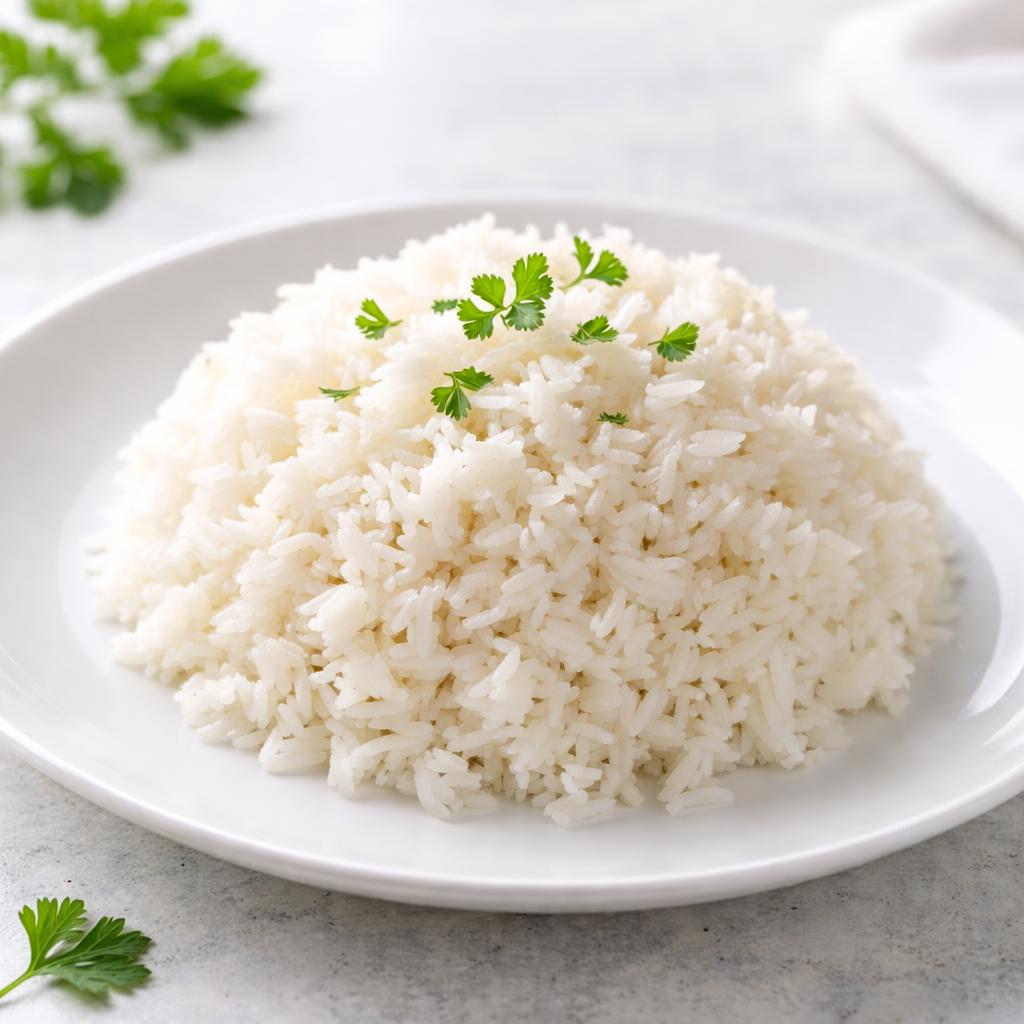
White Rice
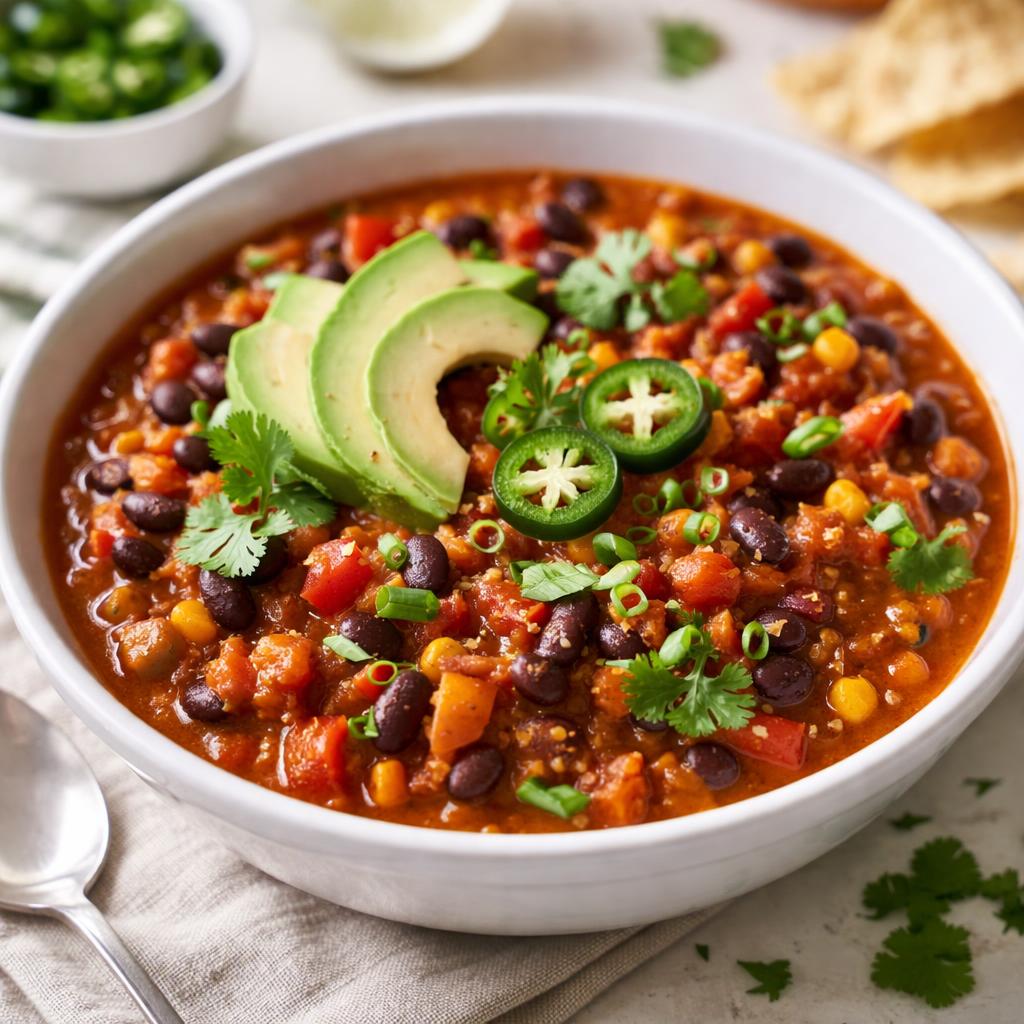
Vegetarian Chili
🎯 Quick Verdict
Vegetarian chili is significantly more nutrient-dense than white rice, offering higher protein, fiber, and essential vitamins per serving, making it more filling and better suited for balanced meals. White rice is lower in calories and carbs, ideal for those needing quick, easily digestible energy or working on calorie-controlled diets.

Smart Nutrition Tracking with SnapCalorie

📊 Nutritional Comparison
Macronutrients
| Nutrient | Food 1 | Food 2 | Winner |
|---|---|---|---|
| Calories | 205 per cup | 150 per cup | ✓ |
| Protein | 4.3g per cup | 9g per cup | ✓ |
| Carbs | 45g per cup | 18g per cup | ✓ |
| Fat | 0.4g per cup | 4.5g per cup | ✓ |
| Fiber | 0.6g per cup | 7g per cup | ✓ |
Vitamins & Minerals
| Nutrient | Food 1 | Food 2 | Winner |
|---|---|---|---|
| Vitamin C | 0% | 20% DV | ✓ |
| Vitamin A | 0% | 35% DV | ✓ |
| Iron | 0.2mg (1% DV) | 3mg (16% DV) | ✓ |
🏆 Category Winners
Protein
Vegetarian chili offers over 100% more protein per serving compared to white rice.
Fiber
Vegetarian chili has 7g of fiber per cup, while white rice provides less than 1g.
Calories
While both are relatively low-calorie, vegetarian chili is about 27% lower in calories per cup.
Vitamins
Food2 is rich in Vitamin C, Vitamin A, and Iron, while Food1 lacks significant vitamin content.
🥗 Diet Compatibility
Keto
Food 1: Not Compatible
Food 2: Not Compatible
Both foods are too high in carbs for keto.
Vegan
Food 1: Compatible
Food 2: Compatible
Both foods are plant-based and free of animal products.
Gluten Free
Food 1: Compatible
Food 2: Compatible
Neither food contains gluten.
Paleo
Food 1: Not Compatible
Food 2: Depends
White rice is excluded from paleo; vegetarian chili may be compatible if no legumes are included.
Low-Carb
Food 1: Not Compatible
Food 2: More Compatible
Food2 has a lower carbohydrate profile than Food1, but may not fit strict low-carb requirements.
💪 Health Benefits Comparison
Food 1 Benefits
- Provides quick energy from carbs
- Low in fat, suitable for calorie-sensitive diets
- Easily digestible for sensitive stomachs
Food 2 Benefits
- High in protein, supporting muscle repair and satiety
- Rich in fiber, promoting digestive health
- Loaded with vitamins and antioxidants for immune support
- Low-calorie, nutrient-dense option for weight management
✅ The Bottom Line
Vegetarian chili is the winner overall, thanks to its high protein, fiber, and vitamin content, which make it a more balanced and nutritious meal option. White rice is still a versatile choice for calorie-controlled diets or quick energy needs. Choose white rice when simplicity and easy digestion are priorities, and opt for vegetarian chili for filling, nutrient-dense meals that suit a variety of diets.
Choose Food 1 for: Low-calorie meals, quick digestion, side dish
Choose Food 2 for: Balanced main dishes, nutrient density, high-satiety meals


