White Rice VS Vegetable Medley
A detailed nutritional comparison
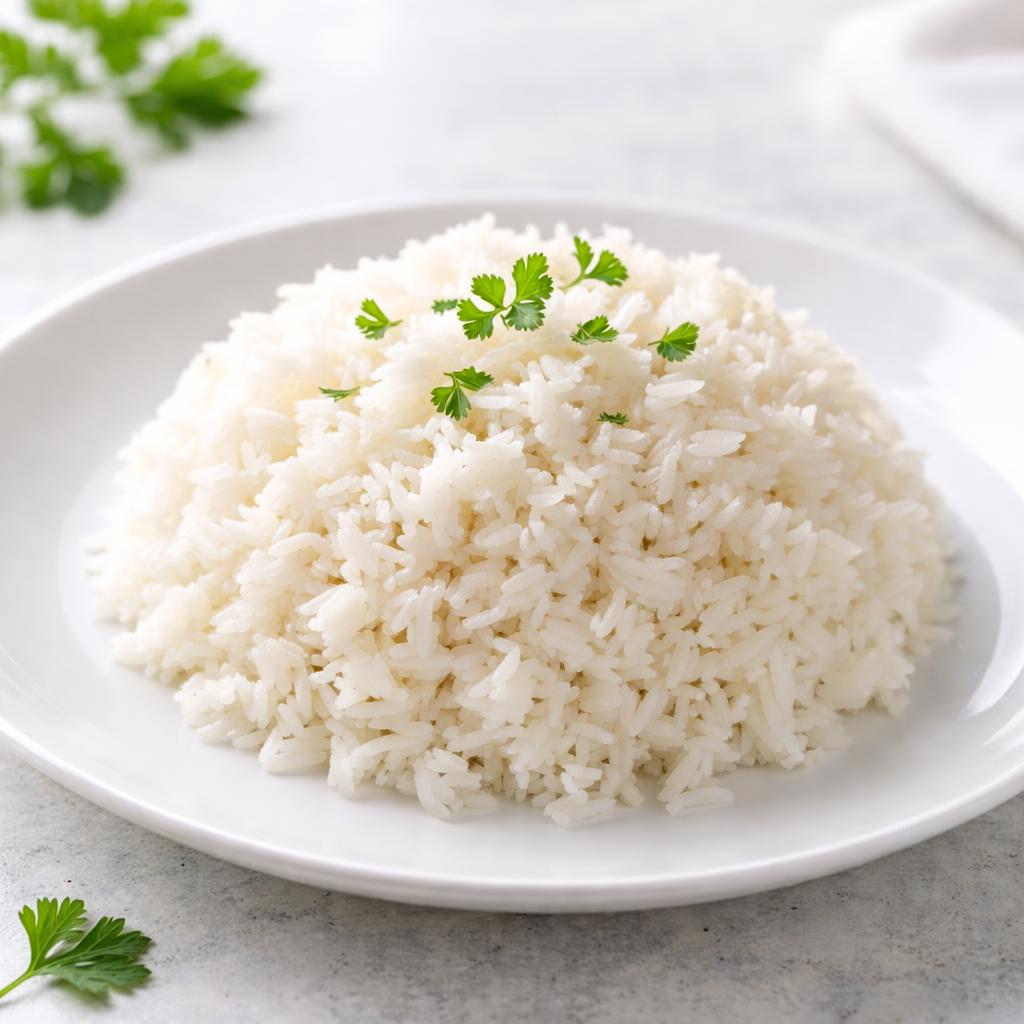
White Rice
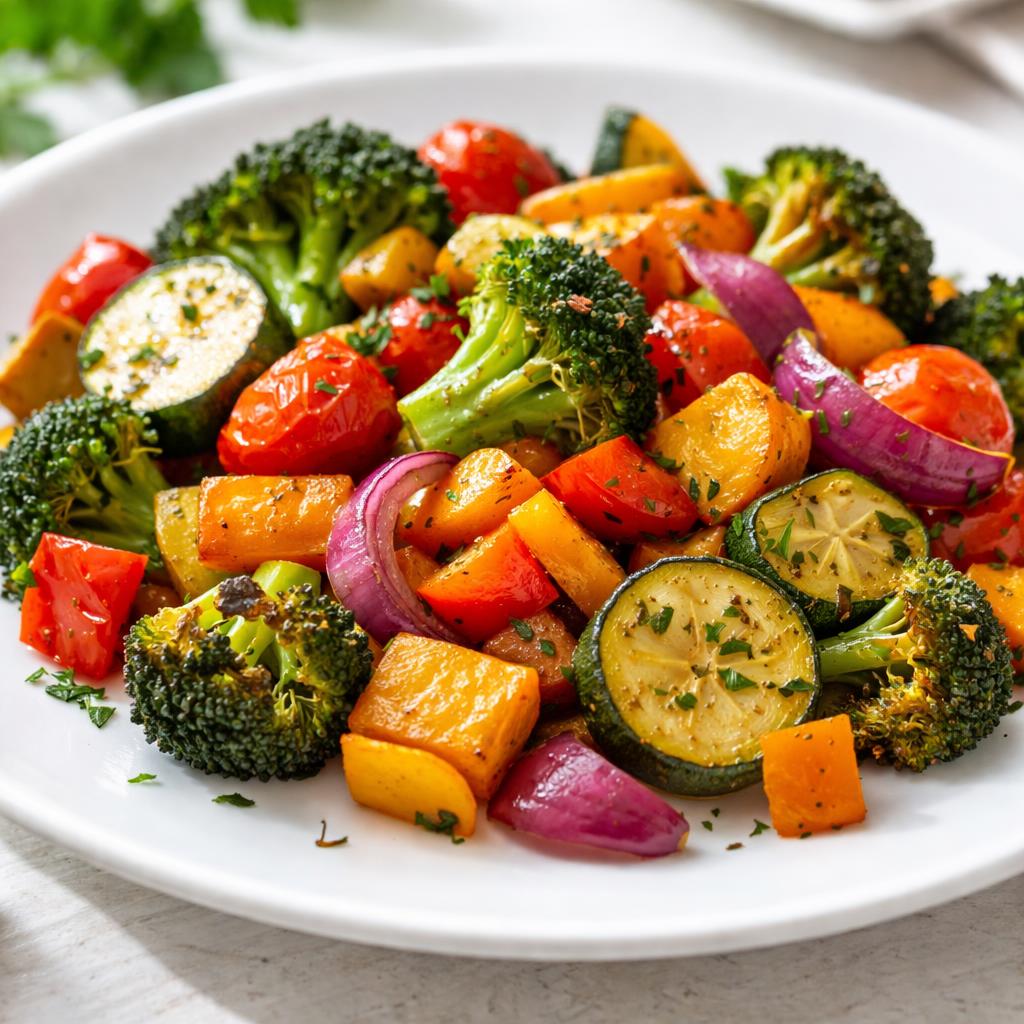
Vegetable Medley
🎯 Quick Verdict
Vegetable medley is nutritionally superior to white rice due to its higher fiber, protein, and vitamin content, while also being lower in calories. White rice, however, provides a simple carbohydrate source and is suitable for quick energy or as a base ingredient in dishes.

Smart Nutrition Tracking with SnapCalorie

📊 Nutritional Comparison
Macronutrients
| Nutrient | Food 1 | Food 2 | Winner |
|---|---|---|---|
| Calories | 204 | 80 | ✓ |
| Protein | 4g | 5g | ✓ |
| Carbs | 45g | 15g | ✓ |
| Fat | 0.4g | 1g | ✓ |
| Fiber | 0.6g | 4g | ✓ |
Vitamins & Minerals
| Nutrient | Food 1 | Food 2 | Winner |
|---|---|---|---|
| Vitamin A | 0 IU | 5000 IU | ✓ |
| Vitamin C | 0mg | 30mg | ✓ |
| Calcium | 16mg | 40mg | ✓ |
| Iron | 0.2mg | 1mg | ✓ |
🏆 Category Winners
Protein
Vegetable medley provides 25% more protein per serving (5g vs. 4g).
Fiber
Vegetable medley contains significantly more fiber (4g vs. 0.6g in white rice).
Calories
Vegetable medley has less than half the calories of white rice.
Vitamins
Vegetable medley offers significantly higher levels of vitamin A, vitamin C, and iron compared to white rice.
🥗 Diet Compatibility
Keto
Food 1: Not Compatible
Food 2: Partially Compatible
Vegetable medley is lower in carbs but still not fully keto-friendly; white rice is high-carb.
Vegan
Food 1: Compatible
Food 2: Compatible
Both are plant-based and entirely vegan.
Gluten Free
Food 1: Compatible
Food 2: Compatible
Neither food contains gluten.
Paleo
Food 1: Not Compatible
Food 2: Compatible
Vegetable medley fits paleo guidelines while white rice does not.
Low-Carb
Food 1: Not Compatible
Food 2: Partially Compatible
Vegetable medley is relatively low-carb, while white rice is very high in carbs.
💪 Health Benefits Comparison
Food 1 Benefits
- Provides quick energy from carbohydrates
- Easily digestible, making it ideal for sensitive stomachs
- Versatile and can act as a neutral base for meals
Food 2 Benefits
- Rich in vitamin A and C for immune support and skin health
- High fiber content promotes digestion and gut health
- Low in calories, suitable for weight management
- Contains antioxidants for general health improvement
✅ The Bottom Line
Vegetable medley offers more nutritional benefits, including higher fiber, protein, and essential vitamins, along with fewer calories, making it ideal for balanced diets or weight loss. White rice is best for quick energy needs or as a staple carb source in meals.
Choose Food 1 for: Quick energy, bland base for meals, easy digestion
Choose Food 2 for: Weight loss, nutrient-dense diets, boosting fiber and vitamin intake


