White Rice VS Turkey Chili
A detailed nutritional comparison
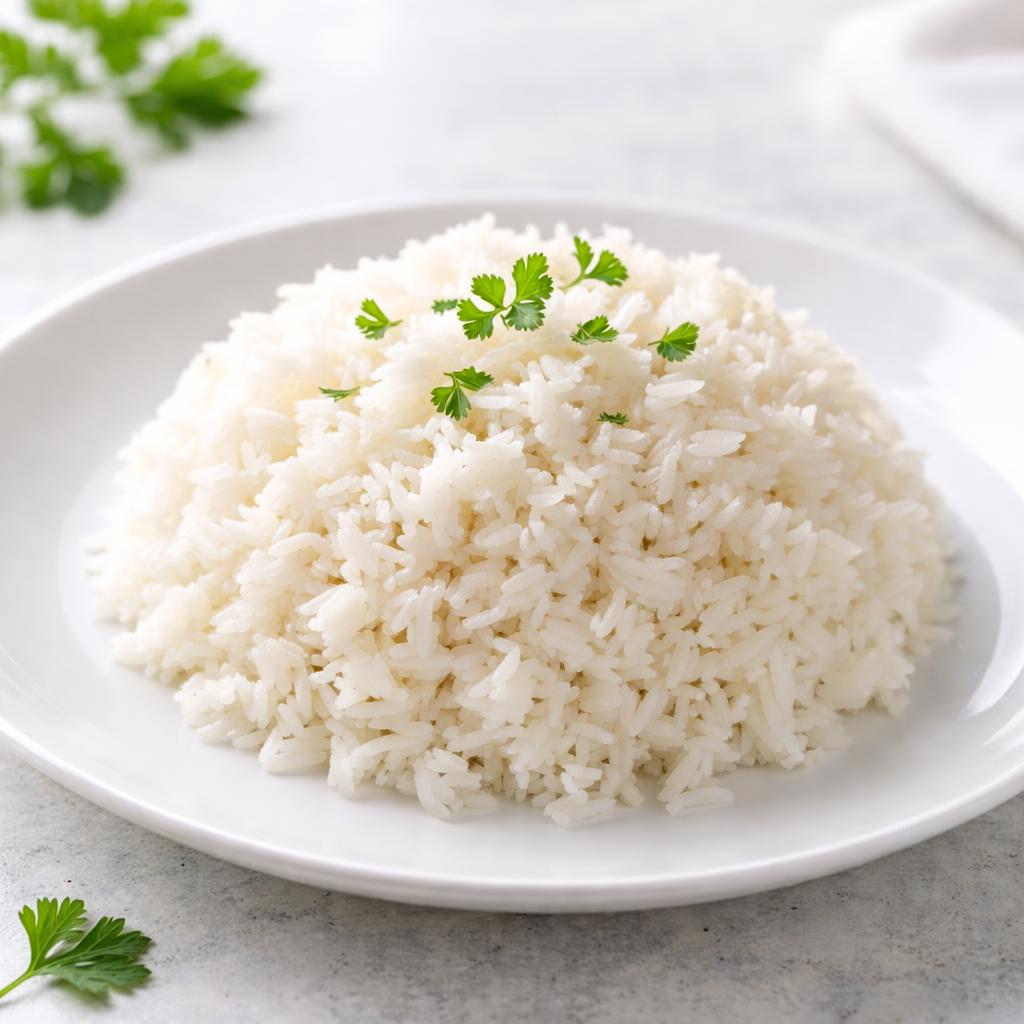
White Rice
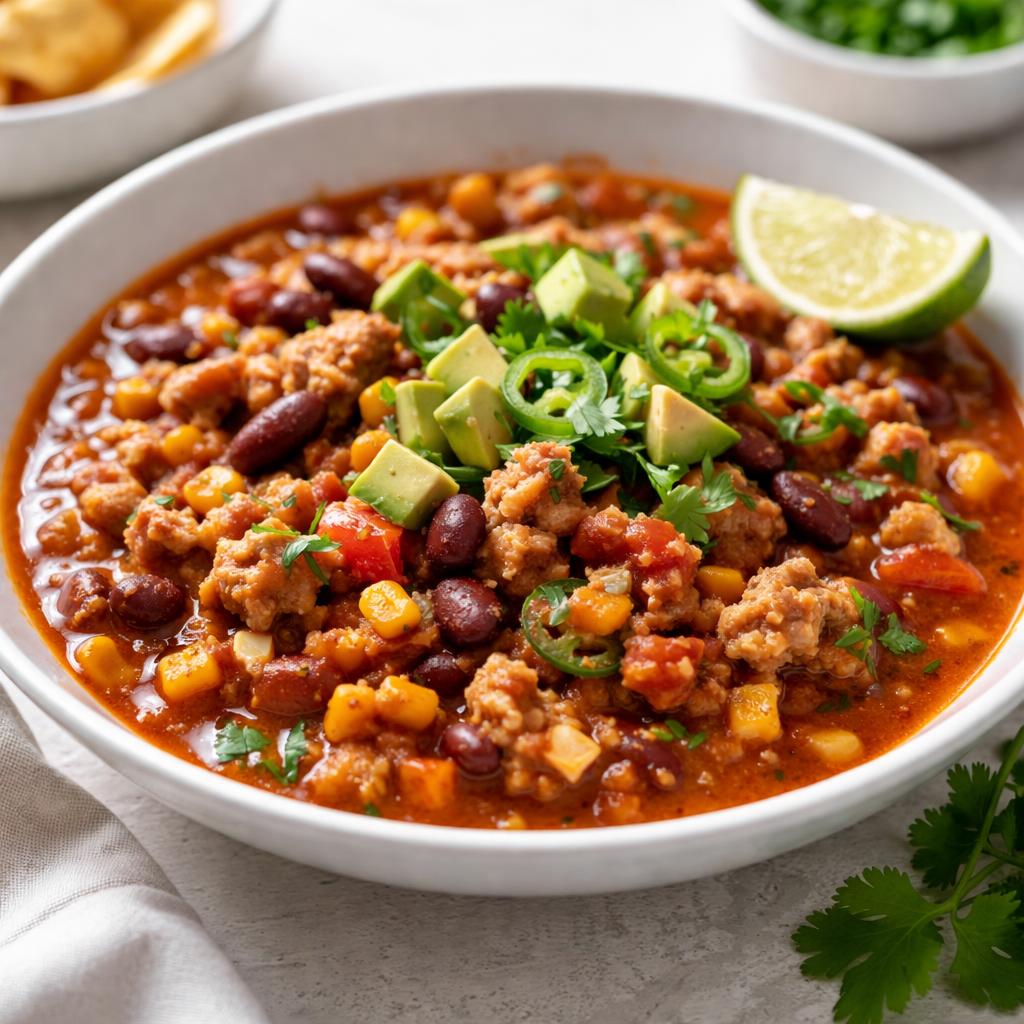
Turkey Chili
🎯 Quick Verdict
Turkey chili is nutritionally superior to white rice overall, offering significantly higher protein and fiber, while being richer in vitamins and minerals. On the other hand, white rice is lower in calories and can be a quick energy source, making it better suited for those needing simple carbs or lighter dietary options.

Smart Nutrition Tracking with SnapCalorie

📊 Nutritional Comparison
Macronutrients
| Nutrient | Food 1 | Food 2 | Winner |
|---|---|---|---|
| Calories | 206 | 197 | ✓ |
| Protein | 4g | 18g | ✓ |
| Carbs | 45g | 13g | ✓ |
| Fat | 0.4g | 6g | ✓ |
| Fiber | 0.6g | 4g | ✓ |
Vitamins & Minerals
| Nutrient | Food 1 | Food 2 | Winner |
|---|---|---|---|
| Vitamin D | 0mcg | 1mcg | ✓ |
| Calcium | 11mg | 60mg | ✓ |
| Iron | 0.2mg | 2.7mg | ✓ |
🏆 Category Winners
Protein
Turkey chili contains 4.5 times more protein.
Fiber
Turkey chili delivers over 6 times the fiber of white rice.
Calories
White rice is slightly lower in calories per serving.
Vitamins
Turkey chili is richer in key vitamins and minerals like calcium and iron.
🥗 Diet Compatibility
Keto
Food 1: Not Compatible
Food 2: Compatible
Turkey chili is low-carb, whereas white rice is carb-dense.
Vegan
Food 1: Compatible
Food 2: Not Compatible
White rice is plant-based; turkey chili contains animal protein.
Gluten Free
Food 1: Compatible
Food 2: Compatible
Neither food contains gluten.
Paleo
Food 1: Not Compatible
Food 2: Compatible
White rice is a grain, which is excluded in paleo diets.
Low-Carb
Food 1: Not Compatible
Food 2: Compatible
White rice is high in carbohydrates; turkey chili is low-carb by comparison.
💪 Health Benefits Comparison
Food 1 Benefits
- Quick source of easily digestible carbohydrates for energy
- Low in fat for lighter dietary needs
- Gluten-free and easily digestible for sensitive stomachs
Food 2 Benefits
- Rich in protein to support muscle growth and repair
- High fiber content for improved digestion and satiety
- Contains antioxidants and minerals like iron and calcium for overall health
✅ The Bottom Line
Turkey chili is the clear winner in terms of nutritional value, with high protein and fiber making it a more nutrient-dense choice for weight loss or muscle building. White rice, however, remains a good option for quick energy needs or lighter meals. Balance can be achieved by pairing these foods together for broader nutritional benefits.
Choose Food 1 for: Athletes needing quick energy, individuals requiring low-fat diets, digestion sensitivity
Choose Food 2 for: Weight loss, muscle building, well-rounded nutrition and satiety


