White Rice VS Trail Mix
A detailed nutritional comparison
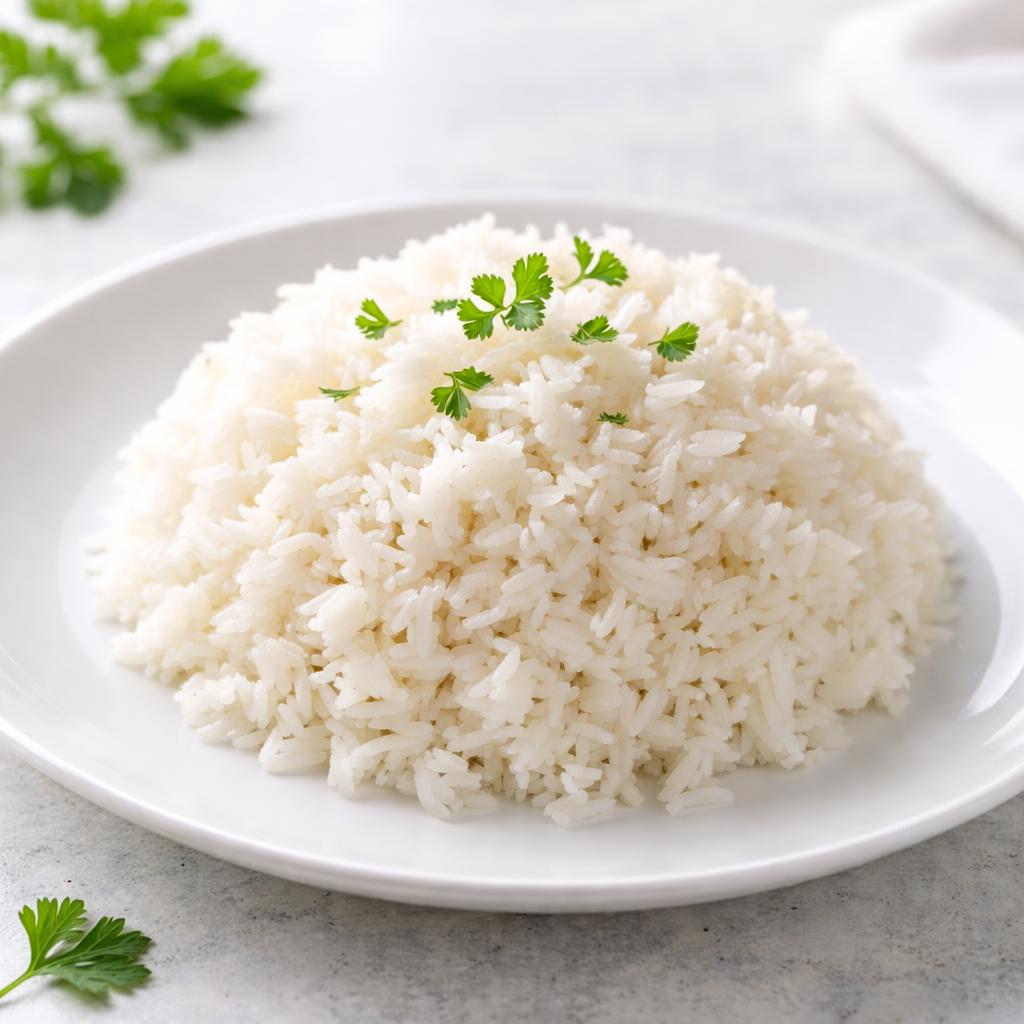
White Rice
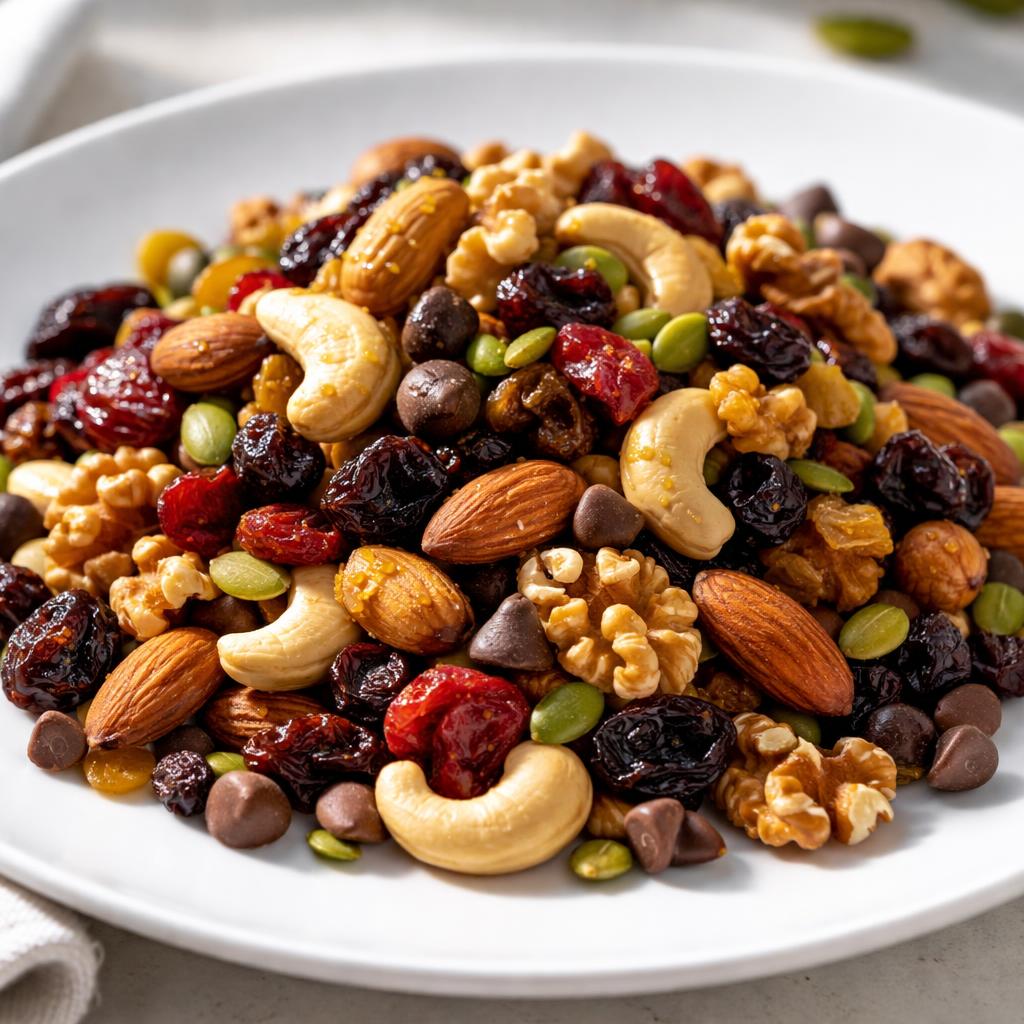
Trail Mix
🎯 Quick Verdict
Trail mix is nutritionally more dense than white rice, providing significantly more protein, fiber, and healthy fats. White rice, on the other hand, is lower in calories and primarily a carbohydrate source, making it a simple, energy-dense option for meals. Trail mix is better for snacking and long-lasting energy, while white rice is ideal for quick carbohydrate loading and pairing with other foods for balanced meals.

Smart Nutrition Tracking with SnapCalorie

📊 Nutritional Comparison
Macronutrients
| Nutrient | Food 1 | Food 2 | Winner |
|---|---|---|---|
| Calories | 205 | 150 | − |
| Protein | 4g | 6g | − |
| Carbs | 45g | 20g | − |
| Fat | 0.5g | 10g | − |
| Fiber | 0.6g | 3g | − |
Vitamins & Minerals
| Nutrient | Food 1 | Food 2 | Winner |
|---|---|---|---|
| Vitamin D | 0mcg | 0.3mcg | − |
| Calcium | 14mg | 40mg | − |
| Iron | 1mg | 2mg | − |
🏆 Category Winners
Protein
Trail mix contains 50% more protein per serving.
Fiber
Trail mix provides 400% more fiber than white rice.
Calories
White rice has fewer calories per serving than trail mix.
Vitamins
Trail mix is richer in calcium, iron, and includes trace amounts of vitamin D.
🥗 Diet Compatibility
Keto
Food 1: Not Compatible
Food 2: Partially Compatible
Food1 is high-carb and food2 is higher in fat but includes some carbs.
Vegan
Food 1: Compatible
Food 2: Compatible
Both foods are plant-based.
Gluten Free
Food 1: Compatible
Food 2: Compatible
Neither contains gluten.
Paleo
Food 1: Not Compatible
Food 2: Compatible
Food1 is processed (white rice), while food2 meets paleo guidelines.
Low-Carb
Food 1: Not Compatible
Food 2: Partially Compatible
Food1 is high in carbs, while food2 has moderate carbs and more fat.
💪 Health Benefits Comparison
Food 1 Benefits
- Provides quick energy from carbs
- Low fat for calorie-conscious diets
- Neutral base for pairing with nutrient-dense sides.
Food 2 Benefits
- Rich in healthy fats that support heart health
- Provides sustained energy, ideal for snacking
- Contains fiber for improved digestion
- Good source of minerals like iron and calcium.
✅ The Bottom Line
Choose trail mix for a balanced and nutrient-dense snack that offers protein and fiber with sustained energy, great for hiking or long days. White rice is better for simple meals focused on quick energy and pairing with proteins and veggies for balance.
Choose Food 1 for: Energy-dense meals, carb loading, neutral pairing base
Choose Food 2 for: Snacking, heart health, sustained energy, nutrient density


