White Rice VS Tomato Slice
A detailed nutritional comparison
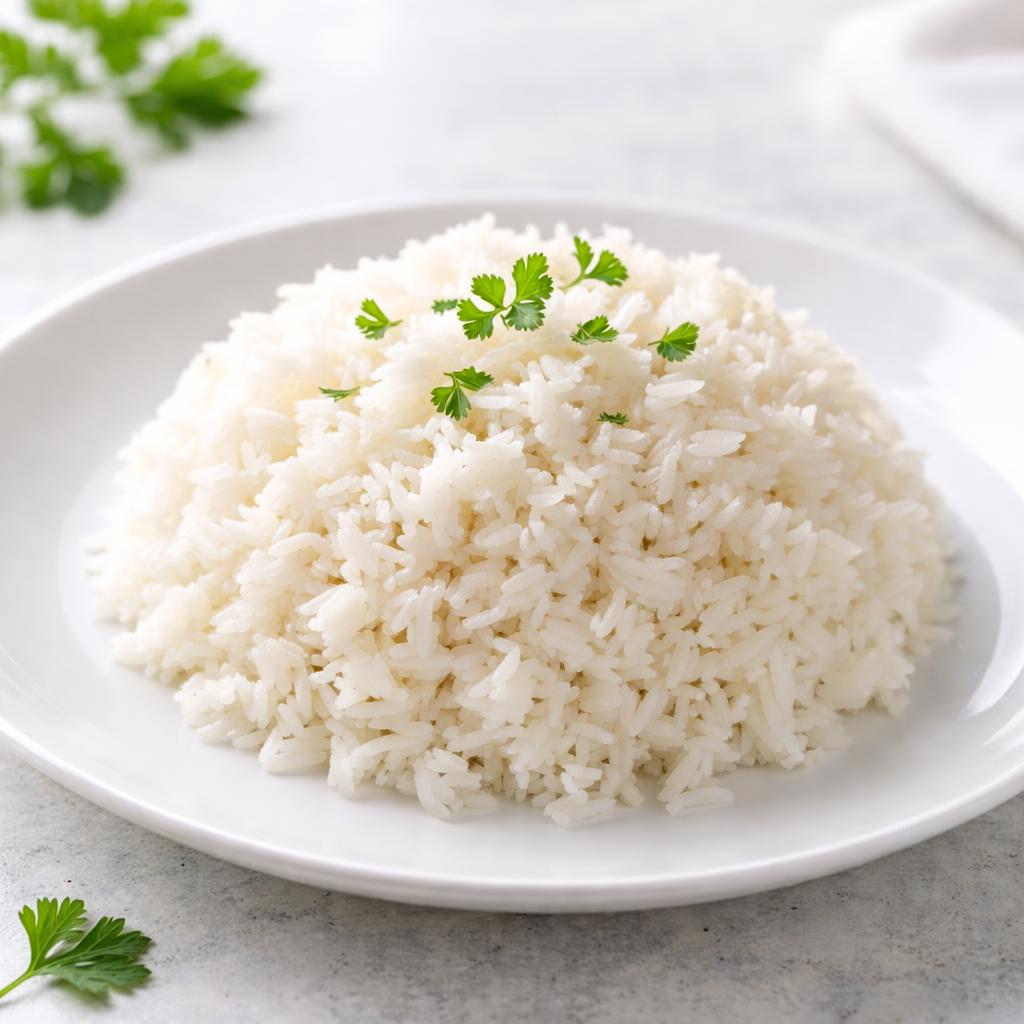
White Rice
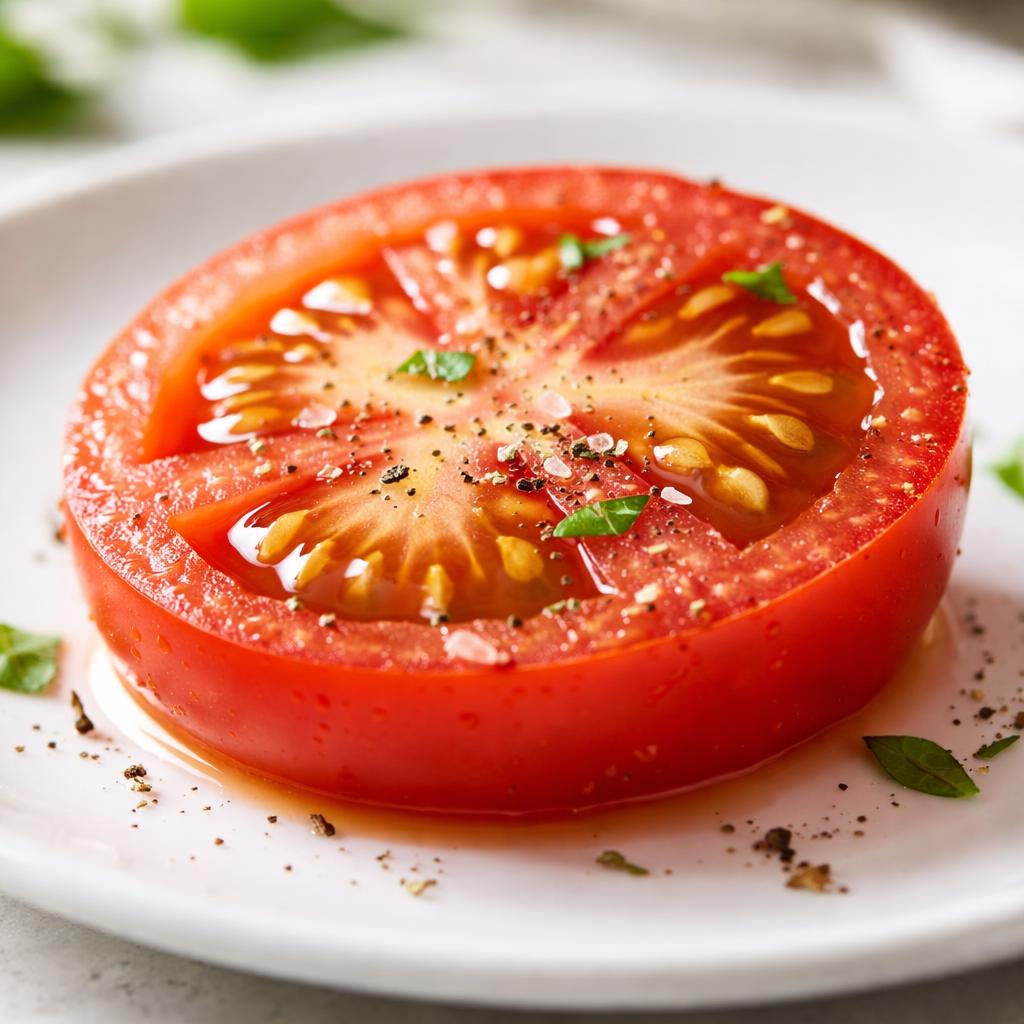
Tomato Slice
🎯 Quick Verdict
White rice, primarily a source of carbohydrates, provides more calories and is lower in fiber and other micronutrients compared to tomato slices. Tomato slices, being nutrient-dense, are much lower in calories and offer vitamins like vitamin C, potassium, and antioxidants. Rice works best for energy needs, while tomatoes are ideal for nutrient-focused meals or low-calorie diets.

Smart Nutrition Tracking with SnapCalorie

📊 Nutritional Comparison
Macronutrients
| Nutrient | Food 1 | Food 2 | Winner |
|---|---|---|---|
| Calories | 130 (per 100g cooked) | 18 (per 100g) | ✓ |
| Protein | 2.7g | 0.9g | − |
| Carbs | 28g | 3.9g | ✓ |
| Fat | 0.3g | 0.2g | − |
| Fiber | 0.4g | 1.2g | ✓ |
Vitamins & Minerals
| Nutrient | Food 1 | Food 2 | Winner |
|---|---|---|---|
| Vitamin C | 0mg | 14mg | ✓ |
| Vitamin A | 0mcg | 42mcg | ✓ |
| Potassium | 35mg | 237mg | ✓ |
🏆 Category Winners
Protein
Both foods provide minimal protein per serving.
Fiber
Tomato slices provide 3x more fiber than white rice.
Calories
Tomato slices have significantly fewer calories.
Vitamins
Tomatoes are rich in key vitamins like Vitamin C and A, whereas rice lacks these micronutrients.
🥗 Diet Compatibility
Keto
Food 1: Not Compatible
Food 2: Compatible
White rice is high-carb, whereas tomatoes are low-carb.
Vegan
Food 1: Compatible
Food 2: Compatible
Both are plant-based.
Gluten Free
Food 1: Compatible
Food 2: Compatible
Neither food contains gluten.
Paleo
Food 1: Not Compatible
Food 2: Compatible
White rice is excluded from paleo diets.
Low Carb
Food 1: Not Compatible
Food 2: Compatible
Tomatoes have minimal carbs compared to rice.
💪 Health Benefits Comparison
Food 1 Benefits
- Great source of easily digestible carbohydrates for energy
- Low in fat
- Gluten-free option for those with dietary restrictions
Food 2 Benefits
- Rich in vitamin C which strengthens immunity
- Good source of fiber for digestion
- High in potassium to support heart and muscle health
- Contains antioxidants like lycopene for cellular protection
✅ The Bottom Line
White rice is an excellent option for energy-dense meals or post-workout recovery, while tomato slices are more suitable for low-calorie, nutrient-dense diets. Use rice when prioritizing carbs and tomatoes for vitamins and antioxidants.
Choose Food 1 for: Energy boost, post-workout carb replenishment, easy-to-digest option
Choose Food 2 for: Low-calorie diets, immune support, antioxidant-rich meal plans


