White Rice VS Syrup
A detailed nutritional comparison
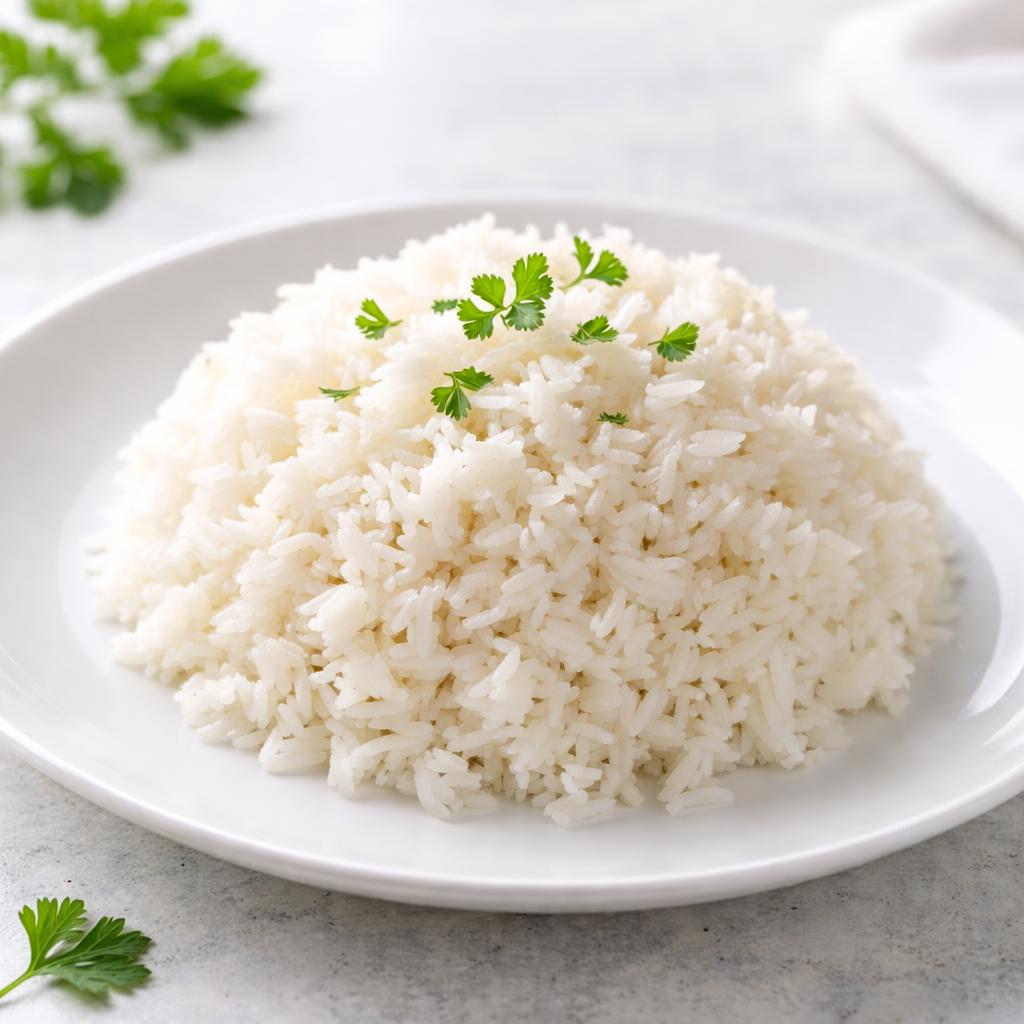
White Rice

Syrup
🎯 Quick Verdict
White rice is lower in calories and provides small amounts of protein and fiber, making it a better option for general nutrition. Syrup, while high in sugar and calories, is best used as a flavor enhancer and energy source for quick bursts. Use white rice for balanced meals and syrup in moderation as a topping or energy boost.

Smart Nutrition Tracking with SnapCalorie

📊 Nutritional Comparison
Macronutrients
| Nutrient | Food 1 | Food 2 | Winner |
|---|---|---|---|
| Calories | 130 calories (per 100g cooked) | 260 calories (per 100g) | ✓ |
| Protein | 2.7g | 0g | ✓ |
| Carbs | 28g | 67g | ✓ |
| Fat | 0.3g | 0g | − |
| Fiber | 0.4g | 0g | ✓ |
Vitamins & Minerals
| Nutrient | Food 1 | Food 2 | Winner |
|---|---|---|---|
| Vitamin D | 0mcg | 0mcg | − |
| Calcium | 10mg | 20mg | ✓ |
| Iron | 0.2mg | 0.1mg | ✓ |
🏆 Category Winners
Protein
White rice contains 2.7g of protein per 100g serving, whereas syrup has none.
Fiber
White rice contains 0.4g of fiber per serving, while syrup offers no fiber at all.
Calories
White rice has 130 calories per 100g compared to syrup's 260 calories.
Vitamins
Neither food is vitamin-rich, but syrup has slightly more calcium.
🥗 Diet Compatibility
Keto
Food 1: Not Compatible
Food 2: Not Compatible
Both foods are high in carbohydrates, unsuitable for keto diets.
Vegan
Food 1: Compatible
Food 2: Compatible
Both are plant-based foods and suitable for vegans.
Gluten Free
Food 1: Compatible
Food 2: Compatible
Neither contains gluten.
Paleo
Food 1: Not Compatible
Food 2: Not Compatible
White rice and syrup are not compliant with paleo diets.
Low Carb
Food 1: Not Compatible
Food 2: Not Compatible
Both foods are high in carbohydrates and unsuitable for low-carb diets.
💪 Health Benefits Comparison
Food 1 Benefits
- Provides energy through complex carbohydrates.
- Small amounts of protein support general muscle maintenance.
- Low-fat food suitable for low-fat diets.
Food 2 Benefits
- Quick energy source due to simple sugars.
- Can enhance flavor when used in moderation.
- Contains trace amounts of minerals like calcium.
✅ The Bottom Line
White rice is a better all-around food for balanced meals thanks to its lower calories and small amounts of protein and fiber. Syrup is best kept as an occasional energy boost or flavor enhancer because of its high sugar and calorie content. Avoid syrup as a regular dietary staple.
Choose Food 1 for: Balanced meals, low-fat diets, general energy needs
Choose Food 2 for: Quick energy, flavor enhancement, occasional use


