White Rice VS Steamed Onion
A detailed nutritional comparison
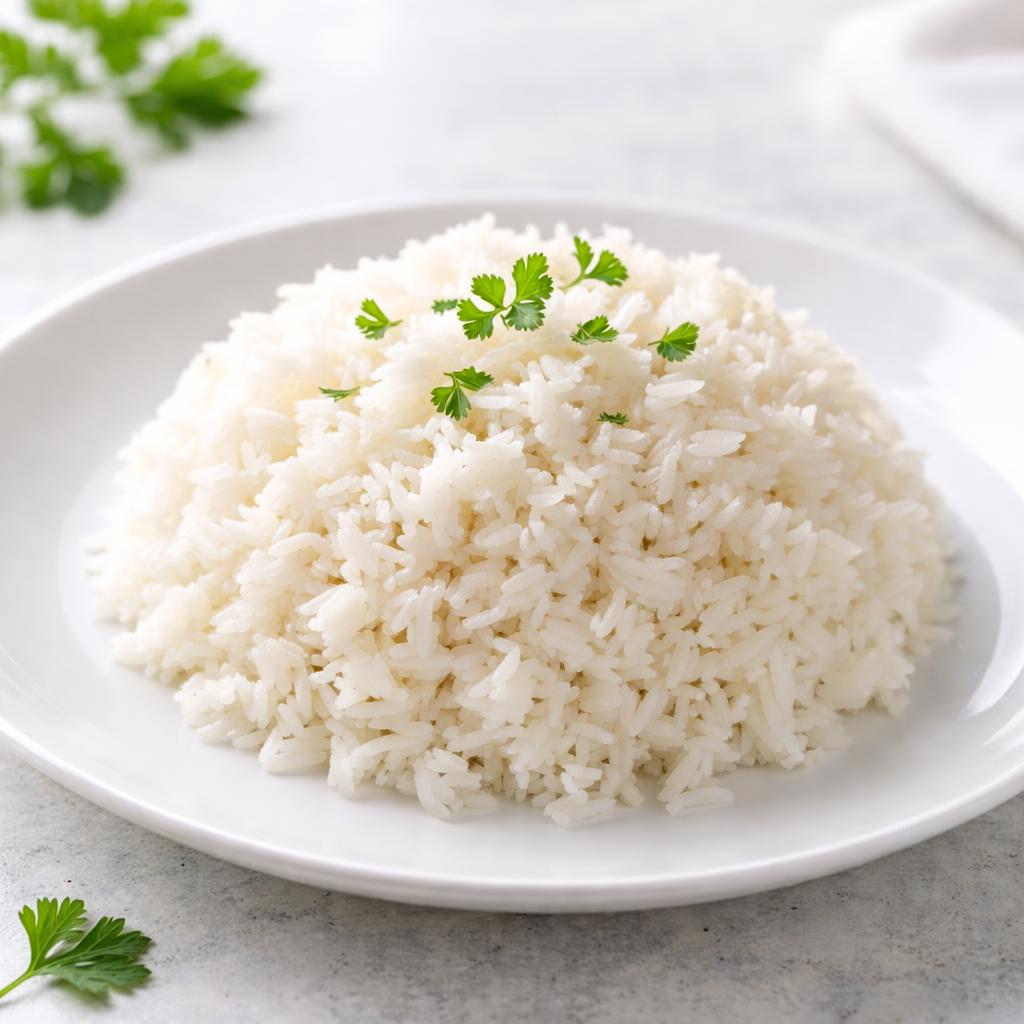
White Rice
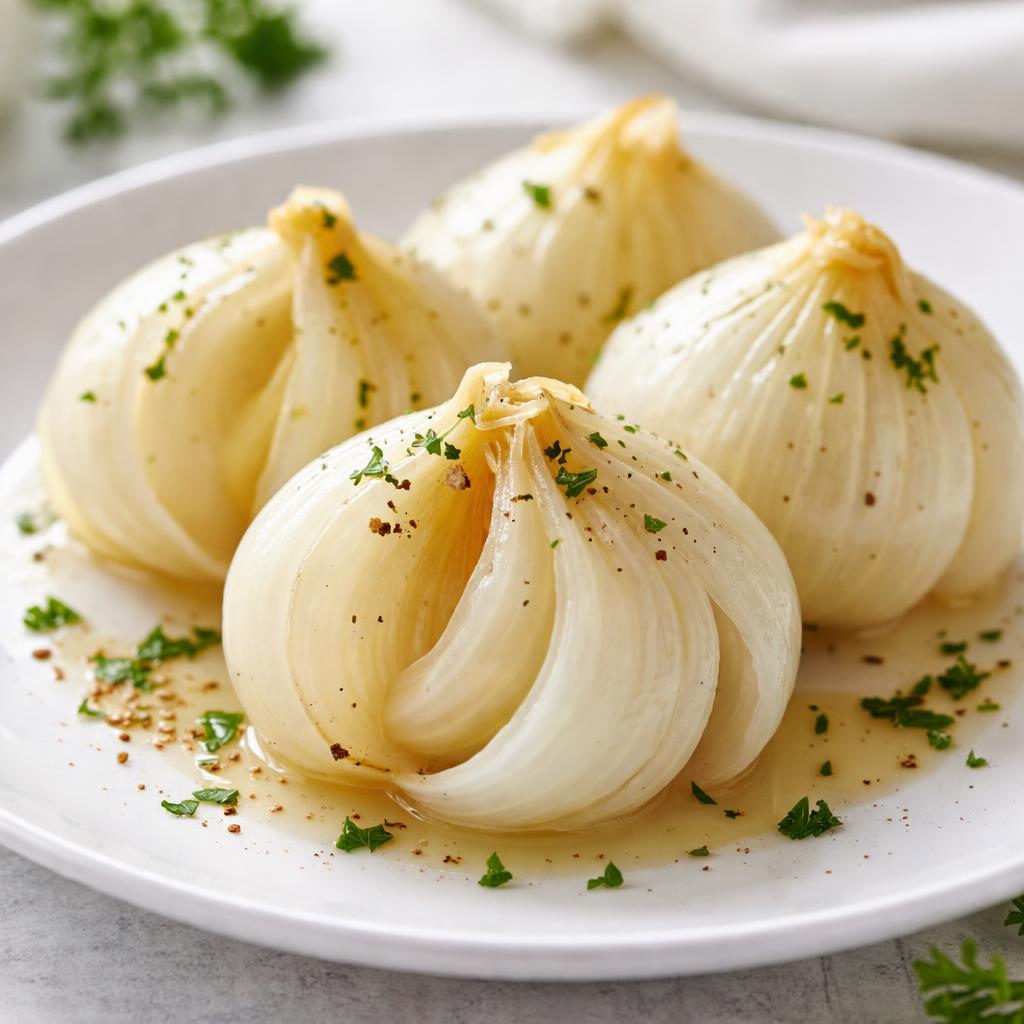
Steamed Onion
🎯 Quick Verdict
White rice provides more protein and carbohydrates, which makes it a good choice for energy-dense meals. However, steamed onion is much lower in calories, rich in dietary fiber, and contains a broader range of vitamins and antioxidants. White rice works well for quick energy, while steamed onion is better for weight management and gut health due to its fiber content.

Smart Nutrition Tracking with SnapCalorie

📊 Nutritional Comparison
Macronutrients
| Nutrient | Food 1 | Food 2 | Winner |
|---|---|---|---|
| Calories | 150 | 40 | ✓ |
| Protein | 3g | 1g | ✓ |
| Carbs | 33g | 9g | ✓ |
| Fat | 0g | 0g | − |
| Fiber | 0.5g | 1.7g | ✓ |
Vitamins & Minerals
| Nutrient | Food 1 | Food 2 | Winner |
|---|---|---|---|
| Vitamin C | 0mg | 5mg | ✓ |
| Vitamin B6 | 0.1mg | 0.2mg | ✓ |
| Folate | 2mcg | 19mcg | ✓ |
| Potassium | 11mg | 150mg | ✓ |
🏆 Category Winners
Protein
White rice has 200% more protein per serving than steamed onion.
Fiber
Steamed onion offers over 3x the fiber of white rice per serving.
Calories
Steamed onion has 73% fewer calories compared to white rice.
Vitamins
Steamed onion provides higher levels of essential vitamins like Vitamin C, B6, and folate.
🥗 Diet Compatibility
Keto
Food 1: Not Compatible
Food 2: Compatible
White rice is high-carb, while steamed onion is low-carb.
Vegan
Food 1: Compatible
Food 2: Compatible
Both are 100% plant-based.
Gluten Free
Food 1: Compatible
Food 2: Compatible
Neither food contains gluten.
Paleo
Food 1: Not Compatible
Food 2: Compatible
White rice is excluded from paleo diets, while steamed onion is allowed.
Low-Carb
Food 1: Not Compatible
Food 2: Compatible
White rice is carb-heavy, while steamed onion is low-carb.
💪 Health Benefits Comparison
Food 1 Benefits
- Quick source of energy from high carbs
- Contains trace amounts of essential minerals like selenium
- Easily digestible for sensitive stomachs
Food 2 Benefits
- High fiber content supports gut health
- Rich in antioxidants to reduce inflammation
- Provides essential vitamins like C, B6, and folate for overall health
- Low calorie, ideal for weight management
✅ The Bottom Line
White rice is best for individuals seeking quick energy, such as athletes or those with high daily caloric needs. Steamed onion is a better choice for weight management, improving gut health, and adding nutrient density to meals. Choose white rice for energy-focused meals and steamed onion for balanced, health-conscious plates.
Choose Food 1 for: Energy-dense meals, post-workout recovery, simple digestion
Choose Food 2 for: Weight loss, digestion support, and antioxidant-rich diets


