White Rice VS Snack
A detailed nutritional comparison
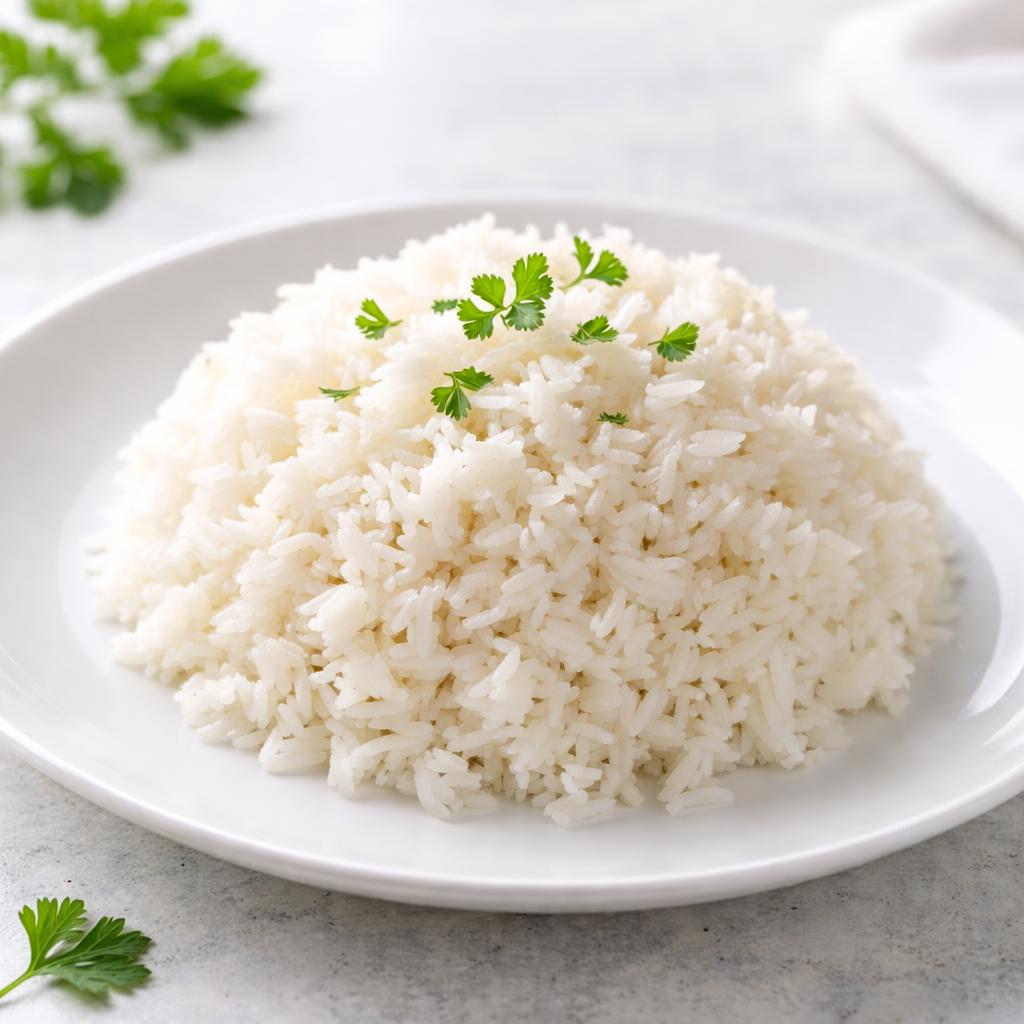
White Rice
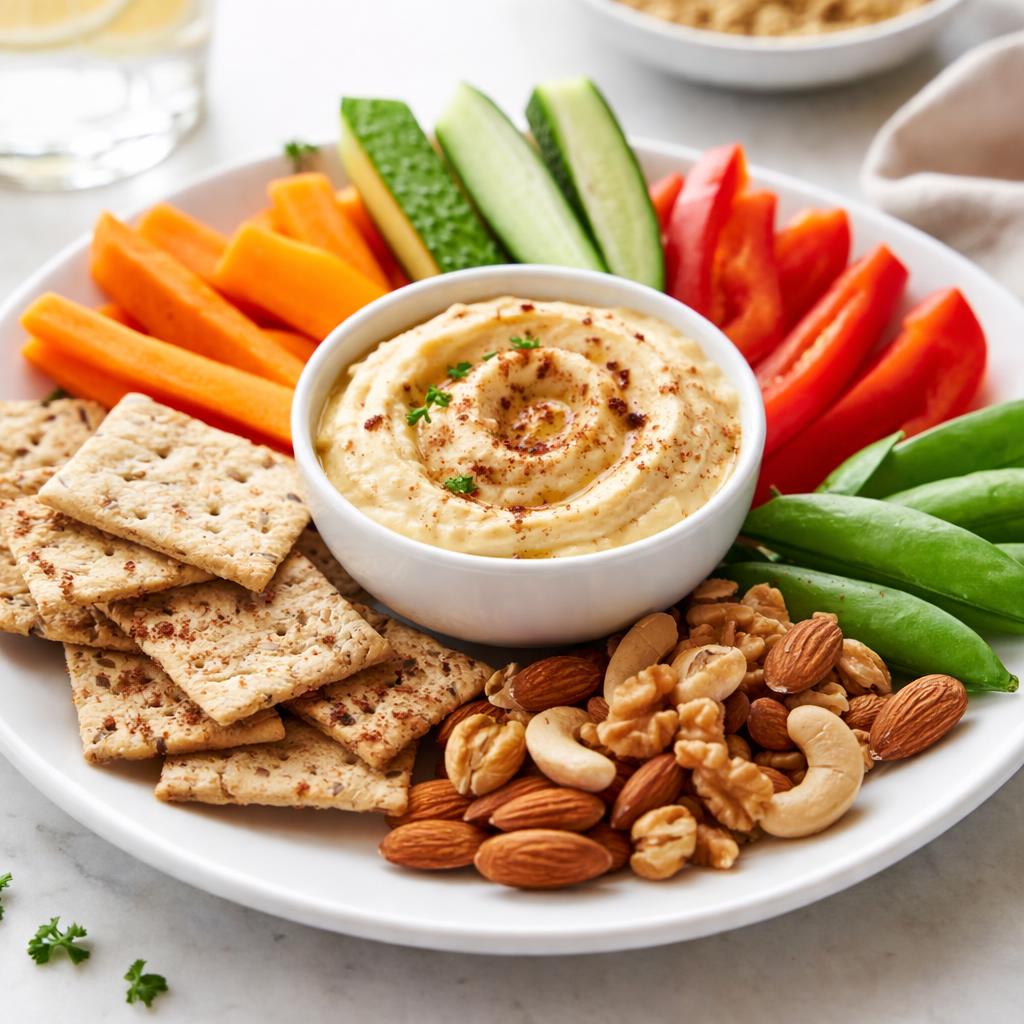
Snack
🎯 Quick Verdict
White rice is a simple carbohydrate source and lower in calories, but it lacks significant protein and fiber content. Snack foods, depending on the exact snack, typically offer more protein, fiber, and healthy fats but may be higher in calories and less clean depending on ingredients. White rice is ideal for energy replenishment, while snacks are better for satiety and nutrition density in smaller portions.

Smart Nutrition Tracking with SnapCalorie

📊 Nutritional Comparison
Macronutrients
| Nutrient | Food 1 | Food 2 | Winner |
|---|---|---|---|
| Calories | 150 | 200 | ✓ |
| Protein | 3g | 8g | ✓ |
| Carbs | 33g | 15g | ✓ |
| Fat | 0g | 10g | ✓ |
| Fiber | 0g | 4g | ✓ |
Vitamins & Minerals
| Nutrient | Food 1 | Food 2 | Winner |
|---|---|---|---|
| Vitamin D | 0mcg | 1mcg | ✓ |
| Calcium | 10mg | 100mg | ✓ |
| Iron | 0.1mg | 2mg | ✓ |
🏆 Category Winners
Protein
Food2 contains significantly more protein (8g vs 3g).
Fiber
Food2 has 4g of fiber while Food1 has negligible fiber.
Calories
Food1 is slightly lower in calories (150 vs 200 kcal).
🥗 Diet Compatibility
Keto
Food 1: Not Compatible
Food 2: Compatible
Food2 is lower-carb (15g vs 33g).
Vegan
Food 1: Compatible
Food 2: Generally Compatible
Both are plant-based, snacks compatibility depends on the ingredients.
Gluten Free
Food 1: Compatible
Food 2: Generally Compatible
Neither naturally contains gluten, but some snacks may have additives.
Paleo
Food 1: Not Compatible
Food 2: Not Compatible
White rice and most processed snacks are not considered paleo-friendly.
Low-Carb
Food 1: Not Compatible
Food 2: Compatible
Food2 is lower in carbs, suitable for low-carb diets.
💪 Health Benefits Comparison
Food 1 Benefits
- Provides quick energy due to high carbohydrate content
- Low in fat and simple to digest
- Ideal for post-workout carb replenishment
Food 2 Benefits
- Higher in protein for muscle repair and satiety
- Contains fiber to support digestion and gut health
- Offers micronutrients like calcium and iron for bone and blood health
- May provide healthy fats for heart and brain function
✅ The Bottom Line
Choose white rice for quick energy in low-calorie situations such as post-workout meals or when high-carb intake is necessary. Opt for snack foods when prioritizing a protein-rich, fiber-rich, and nutrient-dense option, especially in smaller portions for satiety and balanced nutrition.
Choose Food 1 for: Low-fat, high-carb diets, energy replenishment, post-workout
Choose Food 2 for: High-protein diets, digestive health, on-the-go nutrition


