White Rice VS Sea Bass
A detailed nutritional comparison
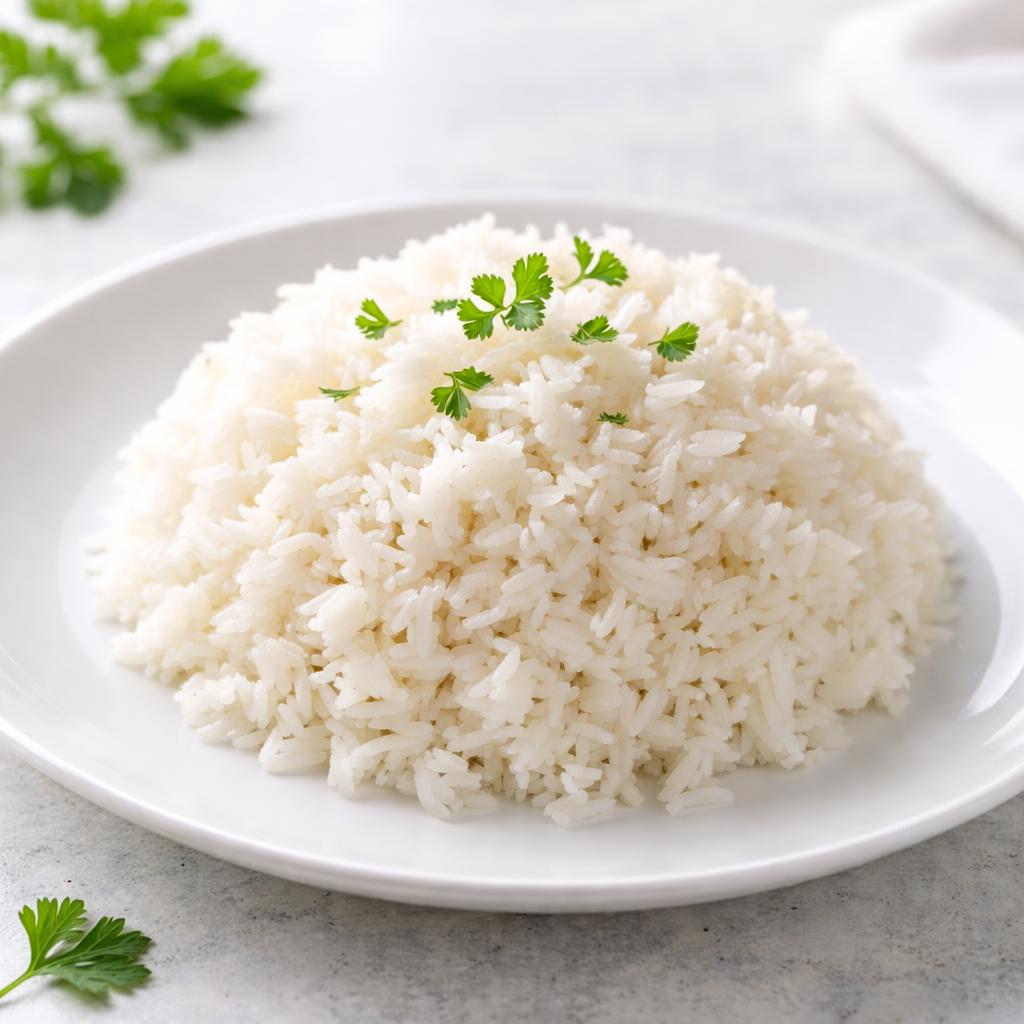
White Rice
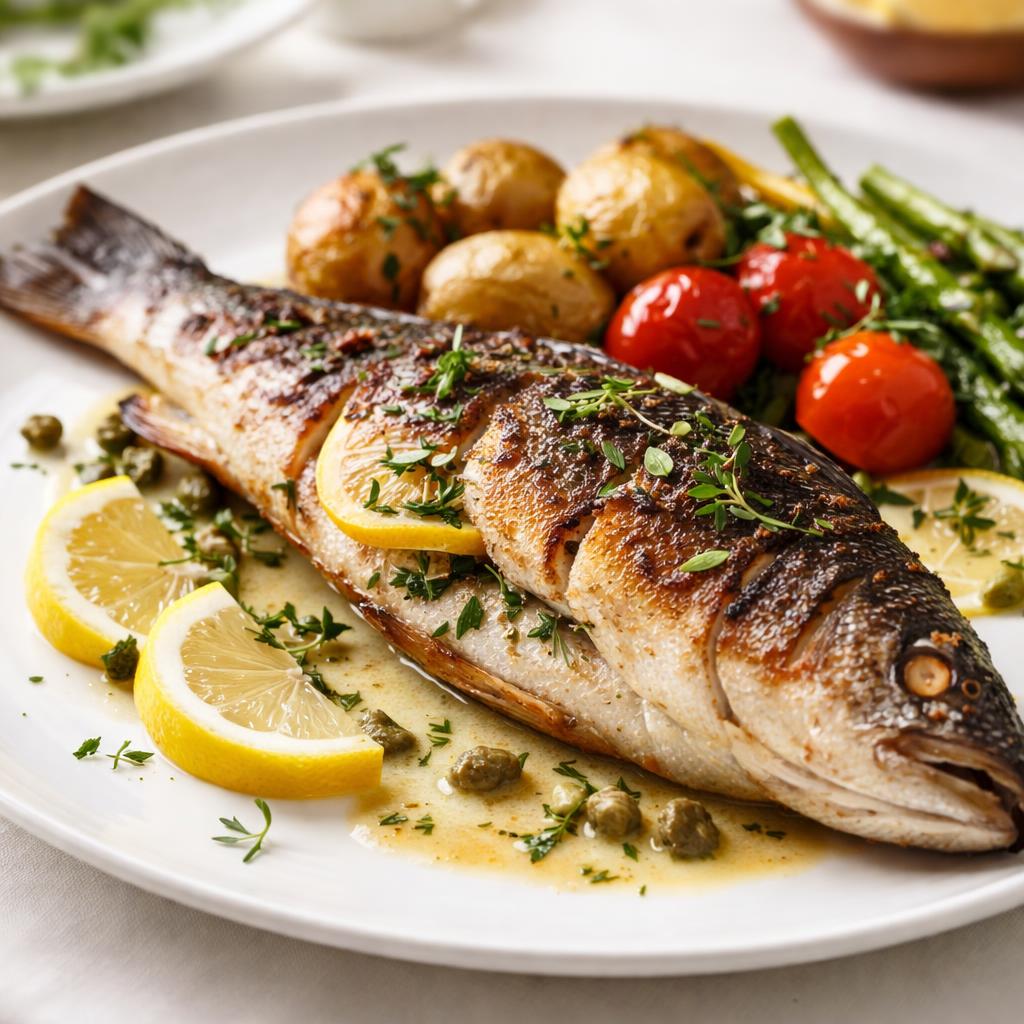
Sea Bass
🎯 Quick Verdict
Sea bass is significantly higher in protein and healthy fats, making it a better choice for muscle maintenance and heart health. White rice provides more carbohydrates for quick energy and is higher in fiber, but lacks protein. Choose sea bass for lean protein and nutrient density, and white rice for energy-focused meals or as a gluten-free carb option.

Smart Nutrition Tracking with SnapCalorie

📊 Nutritional Comparison
Macronutrients
| Nutrient | Food 1 | Food 2 | Winner |
|---|---|---|---|
| Calories | 130 | 124 | − |
| Protein | 2.4g | 24g | − |
| Carbs | 28g | 0g | − |
| Fat | 0.3g | 2.2g | − |
| Fiber | 0.4g | 0g | − |
Vitamins & Minerals
| Nutrient | Food 1 | Food 2 | Winner |
|---|---|---|---|
| Vitamin D | 0mcg | 3.5mcg | − |
| Calcium | 10mg | 12mg | − |
| Iron | 1.2mg | 0.5mg | − |
🏆 Category Winners
Protein
Sea bass provides 10 times more protein than white rice.
Fiber
White rice contains 0.4g of fiber while sea bass has zero fiber.
Calories
Both foods are similar in calories, with white rice at 130 and sea bass at 124 per serving.
Vitamins
Sea bass is higher in vitamin D and calcium, both essential for bone health.
🥗 Diet Compatibility
Keto
Food 1: Not Compatible
Food 2: Compatible
Sea bass is low-carb (0g) while white rice is high-carb.
Vegan
Food 1: Compatible
Food 2: Not Compatible
White rice is plant-based whereas sea bass is an animal product.
Gluten Free
Food 1: Compatible
Food 2: Compatible
Both foods are naturally gluten-free.
Paleo
Food 1: Compatible
Food 2: Compatible
Sea bass and white rice align with paleo principles but rice may vary depending on strict interpretations.
Low-Carb
Food 1: Not Compatible
Food 2: Compatible
Sea bass has no carbs, while white rice is primarily carbohydrates.
💪 Health Benefits Comparison
Food 1 Benefits
- Provides quick-release energy due to high carbohydrate content
- Easy to digest, making it suitable for individuals with sensitive stomachs
- Gluten-free carbohydrate choice for celiac or gluten-intolerant individuals
Food 2 Benefits
- Rich in high-quality protein for muscle repair and growth
- Contains omega-3 fatty acids for heart and brain health
- High in vitamin D, supporting bone health and immune function
- Low in saturated fat and supports a lean diet
✅ The Bottom Line
Sea bass is the better choice for individuals seeking protein, omega-3s, and overall nutrient density, supporting weight loss or health-conscious diets. White rice is ideal for energy-focused meals, vegan diets, or as a versatile side dish. Pair them together for a balanced meal.
Choose Food 1 for: Energy-focused meals, vegan diets, gluten-free carb option
Choose Food 2 for: Protein-rich diets, heart health, weight loss or lean muscle building


