White Rice VS Sausage
A detailed nutritional comparison
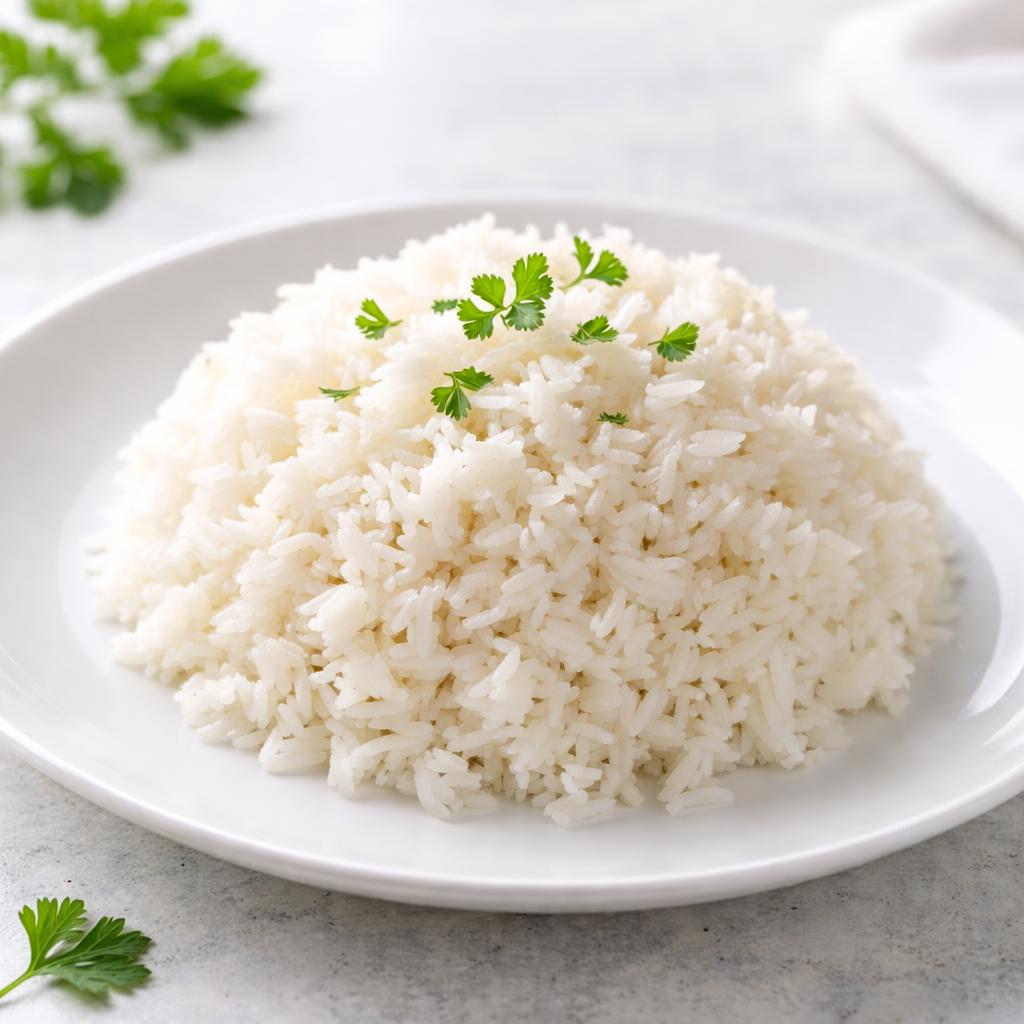
White Rice
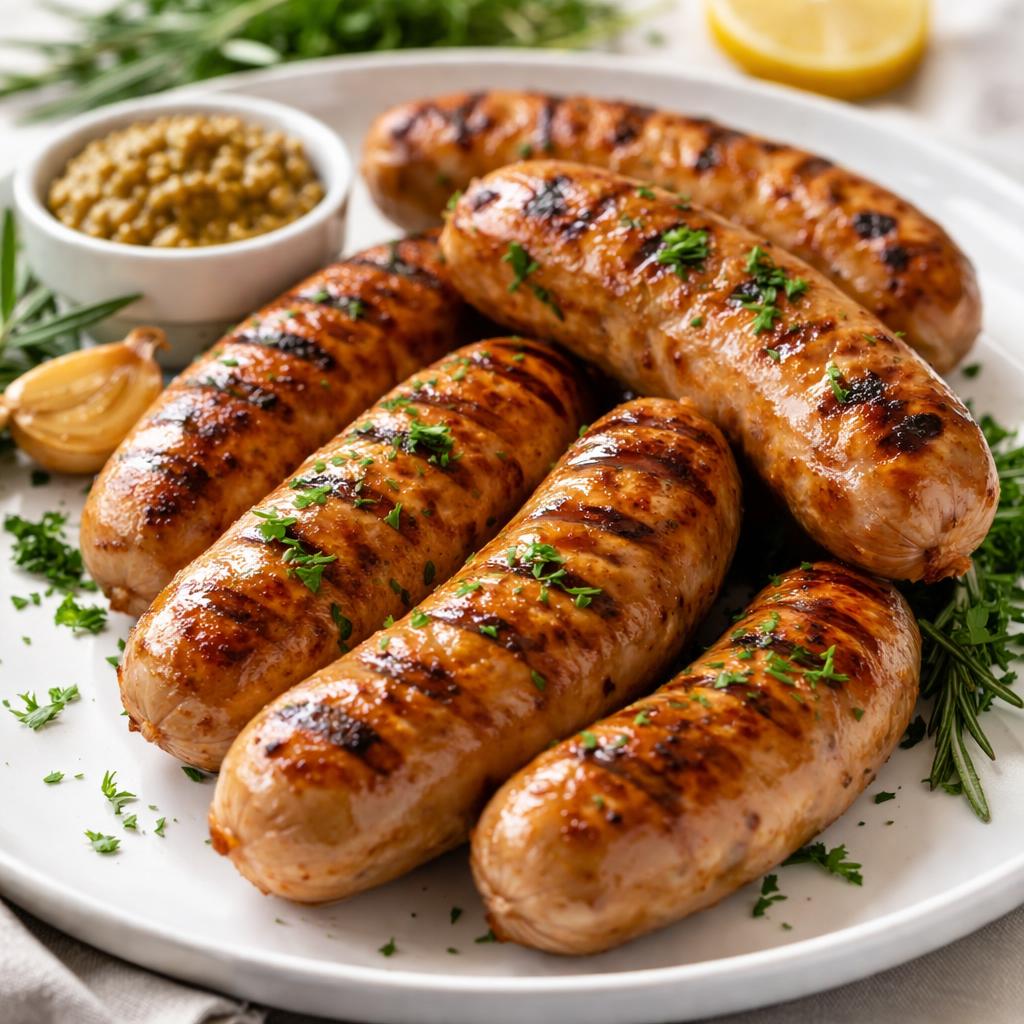
Sausage
🎯 Quick Verdict
White rice is lower in calories and predominantly carb-based, making it ideal for quick energy. Sausage offers significantly higher protein and fat, making it better for satiety and muscle repair but higher in calories. White rice suits lighter meals, while sausages provide richness and better muscle-supporting nutrients.

Smart Nutrition Tracking with SnapCalorie

📊 Nutritional Comparison
Macronutrients
| Nutrient | Food 1 | Food 2 | Winner |
|---|---|---|---|
| Calories | 130 | 290 | ✓ |
| Protein | 2.7g | 12g | ✓ |
| Carbs | 28g | 1g | ✓ |
| Fat | 0.3g | 24g | ✓ |
| Fiber | 0g | 0g | − |
Vitamins & Minerals
| Nutrient | Food 1 | Food 2 | Winner |
|---|---|---|---|
| Vitamin D | 0mcg | 0.6mcg | ✓ |
| Calcium | 10mg | 20mg | ✓ |
| Iron | 0.2mg | 1mg | ✓ |
🏆 Category Winners
Protein
Sausage has over 400% more protein per serving compared to white rice.
Fiber
Neither food provides dietary fiber.
Calories
White rice has less than half the calories of sausage.
Vitamins
Sausage has noticeably higher levels of vitamin D, calcium, and iron.
🥗 Diet Compatibility
Keto
Food 1: Not Compatible
Food 2: Compatible
Sausage is very low-carb (1g per serving), whereas white rice is primarily carbohydrate-based.
Vegan
Food 1: Compatible
Food 2: Not Compatible
White rice is plant-based, while sausage is animal-derived.
Gluten Free
Food 1: Compatible
Food 2: Depends
White rice is naturally gluten-free, but sausages may contain fillers with gluten depending on the brand.
Paleo
Food 1: Not Compatible
Food 2: Compatible
Sausage is generally paleo (if made without additives), whereas white rice is not due to its grain content.
Low Carb
Food 1: Not Compatible
Food 2: Compatible
Sausage fits low-carb dietary requirements with only 1g carbs per serving, while white rice is high-carb.
💪 Health Benefits Comparison
Food 1 Benefits
- Quick source of energy due to high carbohydrate content
- Gluten-free and easy to digest for sensitive stomachs
- Low in fat, making it suitable for lower-calorie meals
Food 2 Benefits
- High in protein for muscle growth and repair
- Provides essential fats for heart and brain health
- Good source of iron to support oxygen transport in the body
✅ The Bottom Line
Choose white rice for low-calorie, high-energy meals or light digestion-friendly options. Opt for sausage when high protein, fat, and flavor-rich nutrient density are prioritized, especially for keto and paleo diets.
Choose Food 1 for: Light meals, quick energy, vegan diets, weight management
Choose Food 2 for: High-protein diets, keto/paleo plans, post-workout recovery


