White Rice VS Sandwich Bun
A detailed nutritional comparison
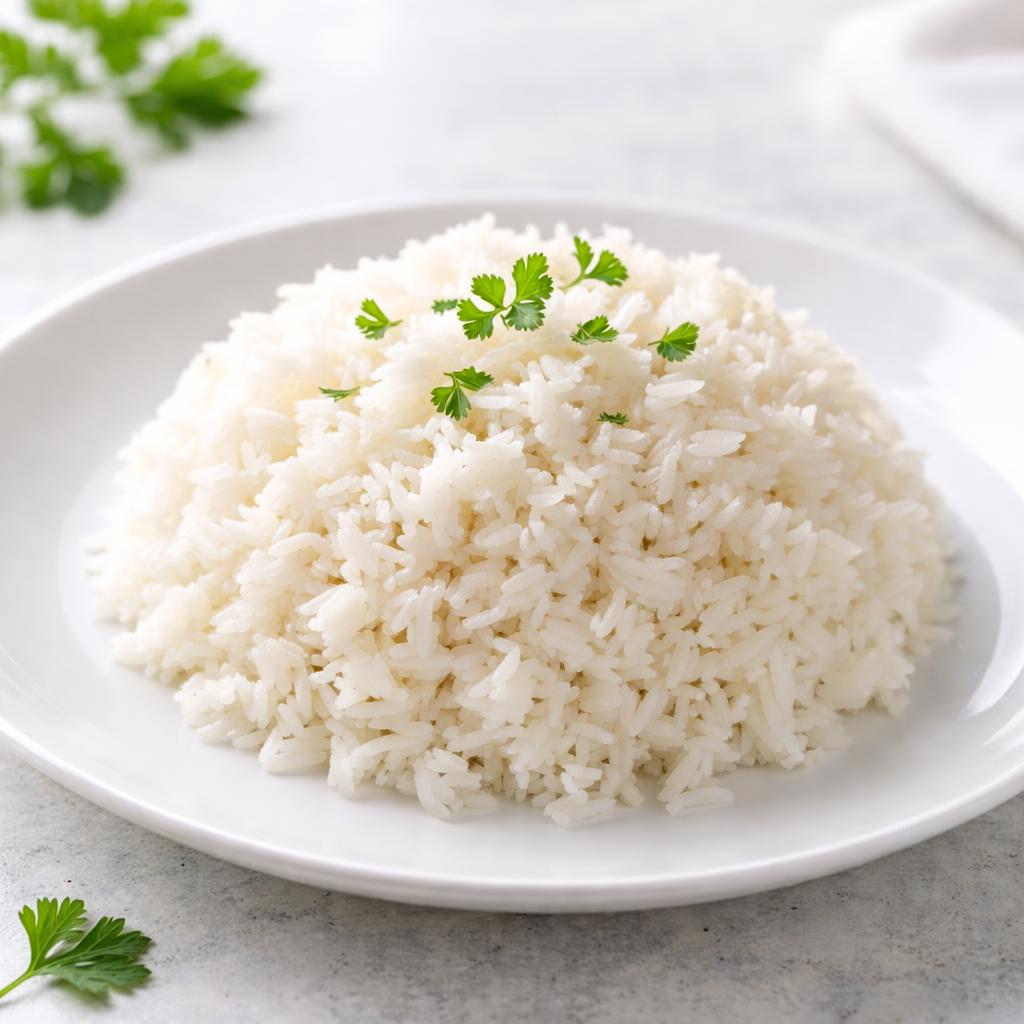
White Rice
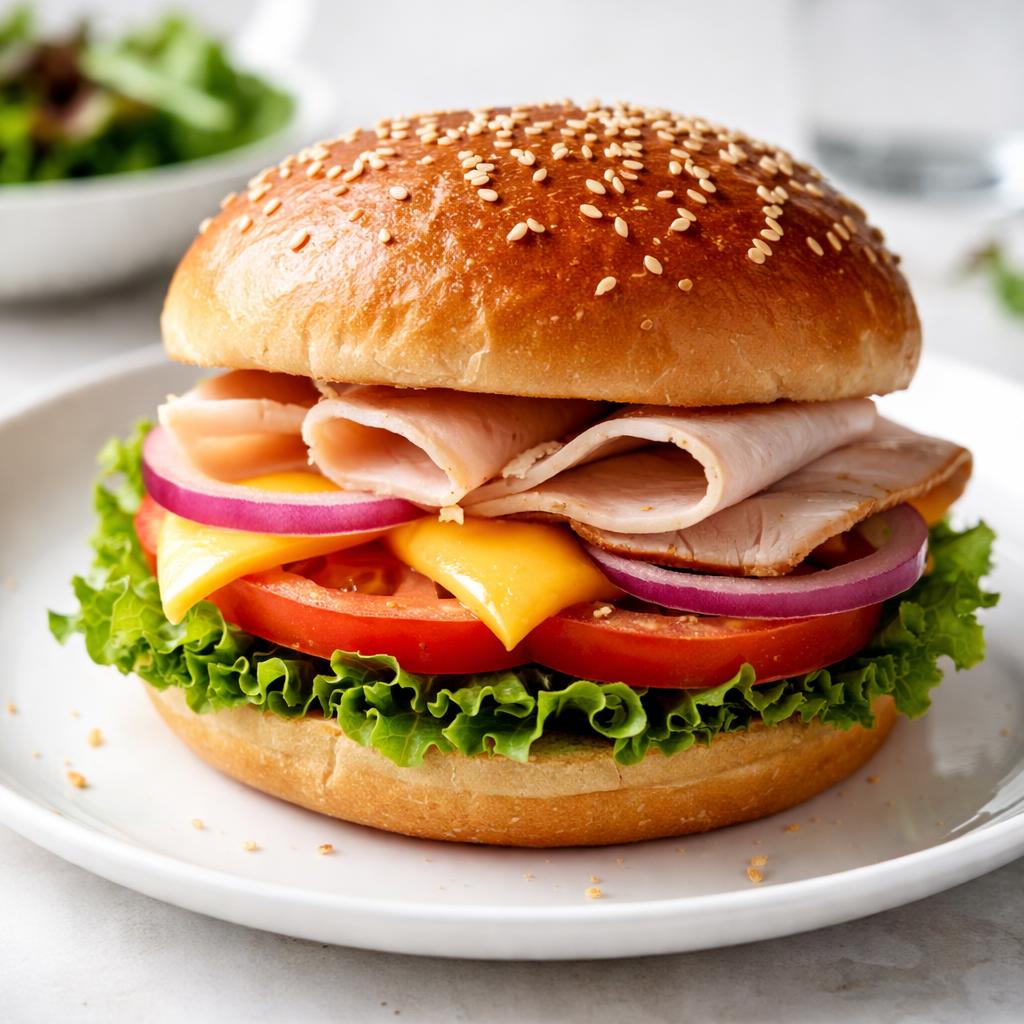
Sandwich Bun
🎯 Quick Verdict
White rice is lower in calories and fat, making it a better choice for calorie-conscious diets. Sandwich buns provide more protein and fiber, which can be beneficial for satiety and digestion. Choose white rice for simpler, lower-calorie meals, or sandwich buns for more balanced macronutrients and fiber content.

Smart Nutrition Tracking with SnapCalorie

📊 Nutritional Comparison
Macronutrients
| Nutrient | Food 1 | Food 2 | Winner |
|---|---|---|---|
| Calories | 205 | 250 | − |
| Protein | 4.5g | 7g | − |
| Carbs | 45g | 47g | − |
| Fat | 0.5g | 4g | − |
| Fiber | 0.6g | 2g | − |
Vitamins & Minerals
| Nutrient | Food 1 | Food 2 | Winner |
|---|---|---|---|
| Vitamin A | 0mcg | 15mcg | − |
| Iron | 0.4mg | 2mg | − |
| Calcium | 5mg | 100mg | − |
🏆 Category Winners
Protein
Sandwich bun has 55% more protein per serving.
Fiber
Sandwich bun has over three times the fiber content of white rice.
Calories
White rice has approximately 18% fewer calories than sandwich bun.
Vitamins
Sandwich bun contains higher levels of key vitamins and minerals like Calcium and Iron.
🥗 Diet Compatibility
Keto
Food 1: Not Compatible
Food 2: Not Compatible
Both foods are high in carbohydrates, making them unsuitable for keto diets.
Vegan
Food 1: Compatible
Food 2: Compatible
Both foods are plant-based and free from animal products.
Gluten Free
Food 1: Compatible
Food 2: Not Compatible
White rice is naturally gluten-free, whereas sandwich buns typically contain gluten.
Paleo
Food 1: Compatible
Food 2: Not Compatible
White rice can fit some paleo diets, but sandwich buns do not align with paleo principles.
Low-Carb
Food 1: Not Compatible
Food 2: Not Compatible
Both foods are high in carbohydrates, making them unsuitable for low-carb diets.
💪 Health Benefits Comparison
Food 1 Benefits
- Low in fat, ideal for calorie-conscious diets
- Simple digestible carbohydrate source for quick energy
- Naturally gluten-free for those with gluten sensitivities
Food 2 Benefits
- Higher protein content supports muscle maintenance and repair
- Good source of dietary fiber to support digestion
- Contains essential minerals such as calcium and iron for bone and blood health
✅ The Bottom Line
White rice is a simple, low-calorie carb source suitable for gluten-free diets and calorie-conscious meals. Sandwich buns, with their higher protein and fiber content, are better suited for balanced meals, supporting digestion and providing key micronutrients. Choose white rice for lighter dishes or sandwich buns for nutrient-dense meals or sandwiches.
Choose Food 1 for: Calorie-conscious diets, gluten-free meals, quick energy source
Choose Food 2 for: Balanced meals, heartier dishes, nutrient-dense options


