White Rice VS Salad Dressing
A detailed nutritional comparison
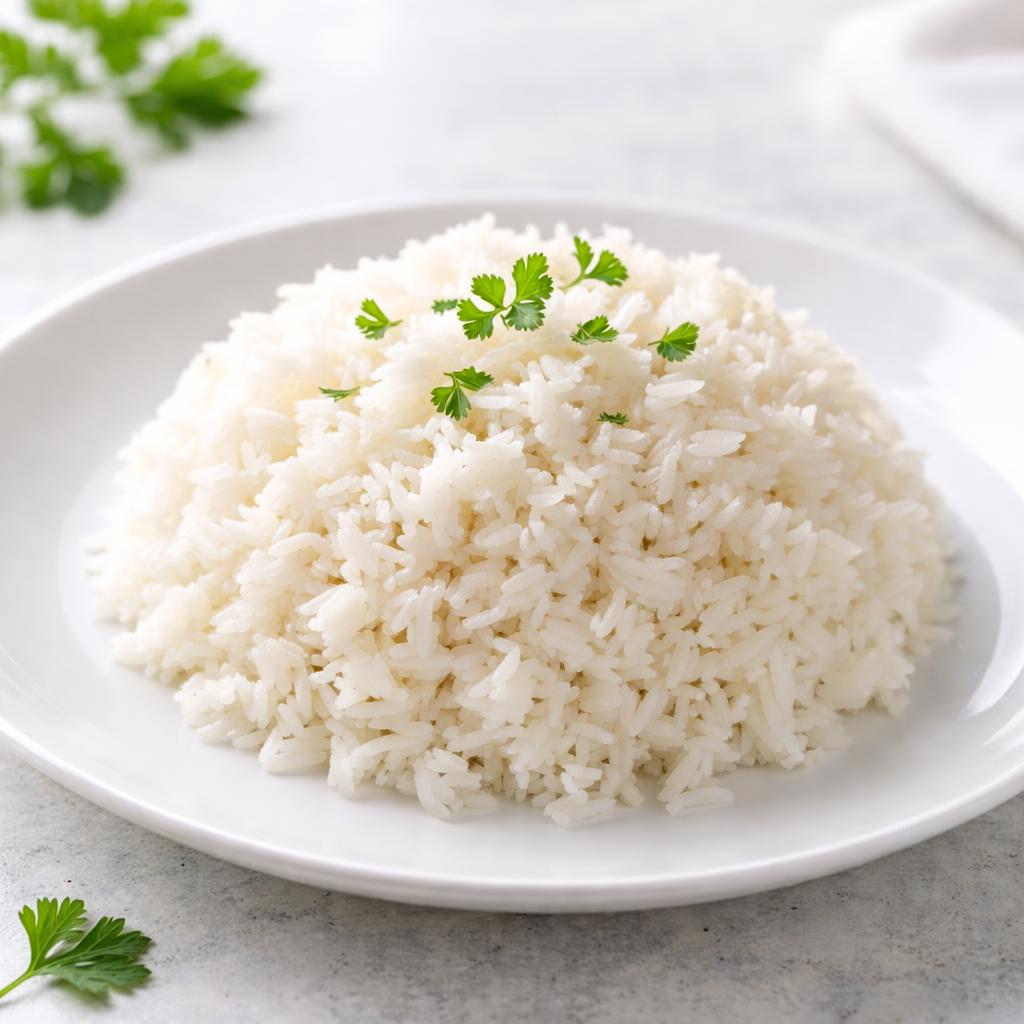
White Rice
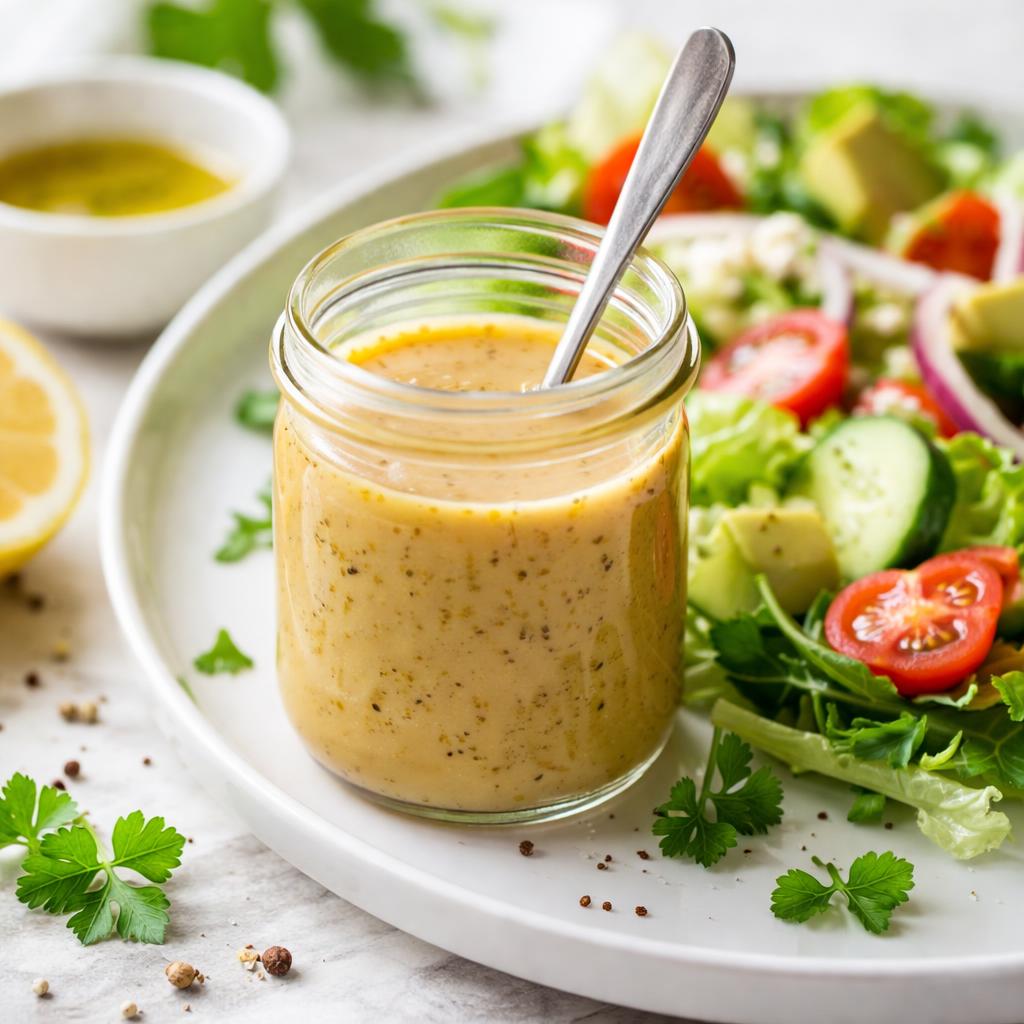
Salad Dressing
🎯 Quick Verdict
White rice is a staple carbohydrate source, offering energy with minimal fat and protein, while salad dressing is typically high in fat and calories but low in protein. White rice is more suitable as a primary energy source, whereas salad dressing serves as a flavor enhancer for meals, often contributing healthy fats depending on the type used.

Smart Nutrition Tracking with SnapCalorie

📊 Nutritional Comparison
Macronutrients
| Nutrient | Food 1 | Food 2 | Winner |
|---|---|---|---|
| Calories | 206 | 100 per tbsp | ✓ |
| Protein | 4.3g | 0.1g | ✓ |
| Carbs | 44.5g | 2g | ✓ |
| Fat | 0.4g | 10g | ✓ |
| Fiber | 0.6g | 0.2g | − |
Vitamins & Minerals
| Nutrient | Food 1 | Food 2 | Winner |
|---|---|---|---|
| Vitamin D | 0mcg | 1mcg per tbsp | ✓ |
| Calcium | 9mg | 25mg per tbsp | ✓ |
| Iron | 0.2mg | 0.1mg per tbsp | ✓ |
🏆 Category Winners
Protein
White rice contains significantly more protein at 4.3g per serving compared to the negligible amount in salad dressing.
Fiber
Both foods provide very small amounts of fiber, making them equal in this category.
Calories
Though white rice is higher in calories per serving, salad dressing has concentrated calories due to fat content, and typical usage is much smaller than rice.
🥗 Diet Compatibility
Keto
Food 1: Not Compatible
Food 2: Compatible
White rice is high in carbs (44.5g per cup), while many salad dressings are primarily fat-based.
Vegan
Food 1: Compatible
Food 2: Compatible
Both foods can easily fit into a vegan diet depending on the type of salad dressing used (without animal-derived ingredients).
Gluten Free
Food 1: Compatible
Food 2: Compatible
Neither food naturally contains gluten, though some salad dressings may include gluten-containing additives.
Paleo
Food 1: Not Compatible
Food 2: Sometimes Compatible
White rice is generally excluded in a paleo diet due to its grain content, while some salad dressings may fit if they are minimally processed and free of sugar.
Low-Carb
Food 1: Not Compatible
Food 2: Compatible
White rice is carbohydrate-heavy, whereas salad dressing is typically low in carbs depending on the brand.
💪 Health Benefits Comparison
Food 1 Benefits
- Excellent source of quick energy due to carbohydrates
- Low in fat, making it suitable for low-fat diets
- Versatile ingredient in a variety of cuisines
Food 2 Benefits
- Provides healthy fats for brain and heart health (depending on type)
- Enhances flavor in salads, promoting vegetable consumption
- May contain micronutrients like calcium and Vitamin D in fortified types
✅ The Bottom Line
Choose white rice for a carbohydrate-heavy meal or for energy before/after intense activity. Opt for salad dressing in small amounts to enrich vegetable dishes and gain healthy fats, keeping calories in check. Salad dressing is more diet-specific, making it suitable for keto or low-carb lifestyles, whereas white rice supports high-energy diets.
Choose Food 1 for: Quick energy, higher-carb diets, meal bases
Choose Food 2 for: Flavor enhancement, low-carb and keto diets, healthy fat intake


