White Rice VS Roasted Eggplant
A detailed nutritional comparison
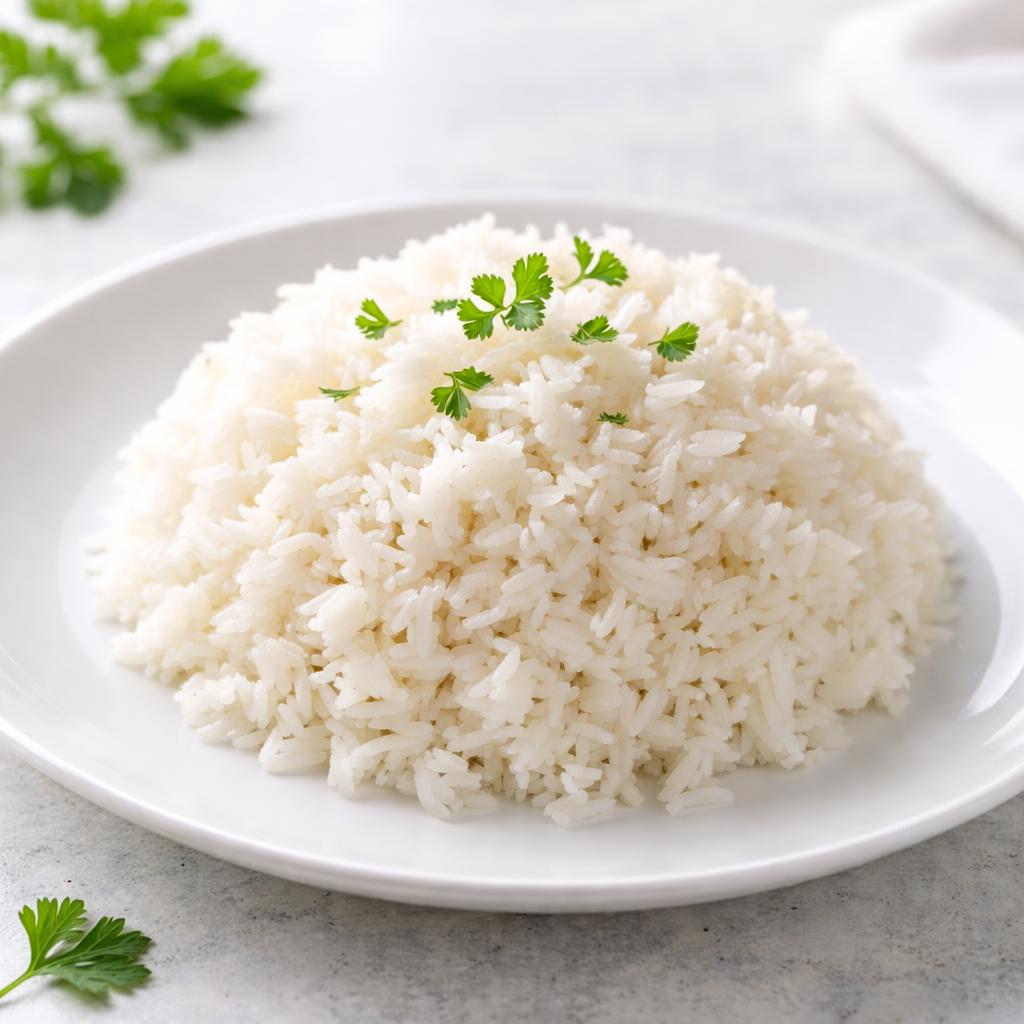
White Rice
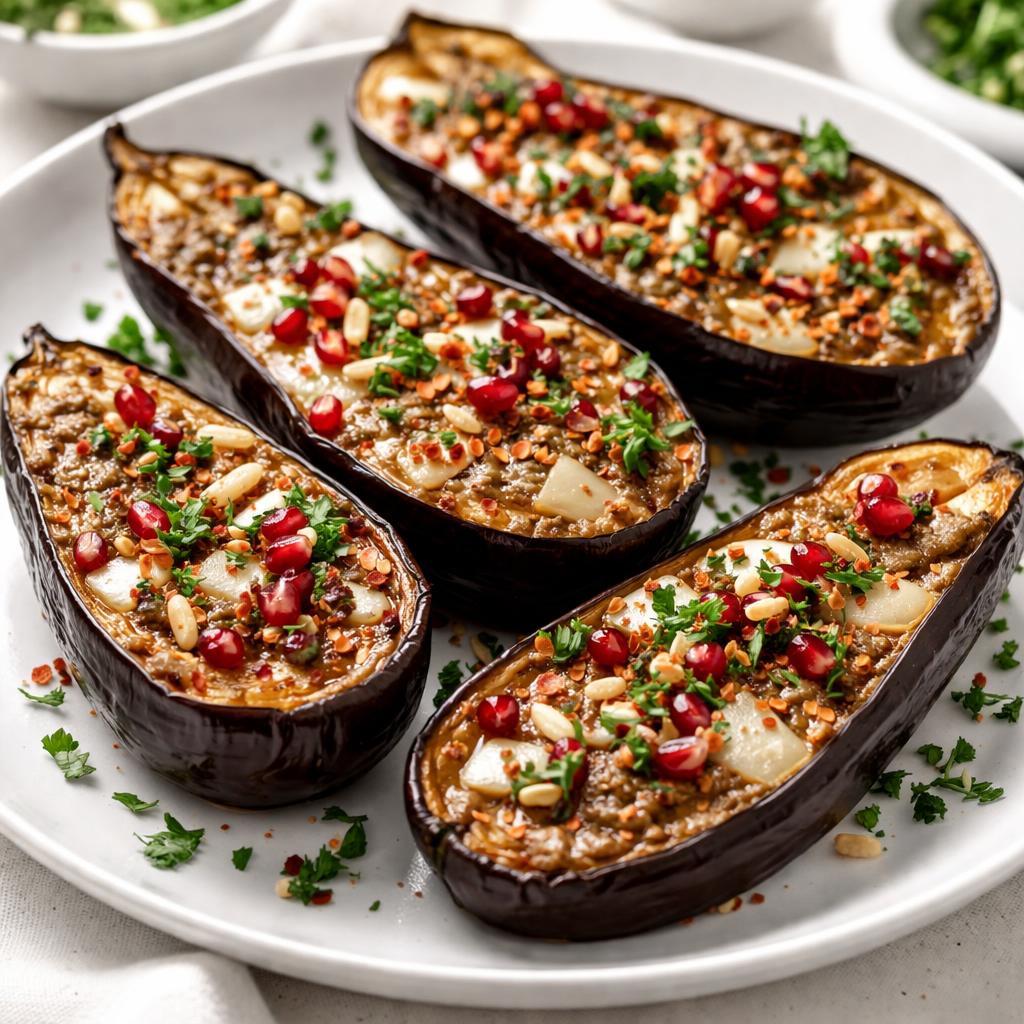
Roasted Eggplant
🎯 Quick Verdict
White rice is high in calories and carbs, with moderate protein but almost no fiber. Roasted eggplant is lower in calories and carbs, higher in fiber, and contains several beneficial antioxidants and vitamins. For weight management and nutrient density, eggplant is superior, while rice is better for quick energy and post-workout refueling.

Smart Nutrition Tracking with SnapCalorie

📊 Nutritional Comparison
Macronutrients
| Nutrient | Food 1 | Food 2 | Winner |
|---|---|---|---|
| Calories | 204 | 35 | ✓ |
| Protein | 4.2g | 1g | ✓ |
| Carbs | 44.5g | 8.6g | ✓ |
| Fat | 0.4g | 0.2g | ✓ |
| Fiber | 0.6g | 2.5g | ✓ |
Vitamins & Minerals
| Nutrient | Food 1 | Food 2 | Winner |
|---|---|---|---|
| Vitamin C | 0mg | 2.2mg | ✓ |
| Vitamin K | 0.1mcg | 3.5mcg | ✓ |
| Potassium | 55mg | 230mg | ✓ |
🏆 Category Winners
Protein
White rice provides over four times the protein compared to eggplant.
Fiber
Roasted eggplant contains significantly more fiber for digestive health.
Calories
Roasted eggplant is extremely low-calorie compared to white rice, making it more suitable for weight management.
Vitamins
Eggplant is richer in key vitamins, especially vitamin C and K, as well as potassium.
🥗 Diet Compatibility
Keto
Food 1: Not Compatible
Food 2: Compatible
White rice is high in carbs, while eggplant is low-carb and keto-friendly.
Vegan
Food 1: Compatible
Food 2: Compatible
Both foods are plant-based and vegan-friendly.
Gluten Free
Food 1: Compatible
Food 2: Compatible
Neither contains gluten.
Paleo
Food 1: Not Compatible
Food 2: Compatible
White rice is excluded in strict paleo diets, while eggplant fits easily into paleo meal plans.
Low-Carb
Food 1: Not Compatible
Food 2: Compatible
White rice is carbohydrate-heavy, while eggplant is low-carb.
💪 Health Benefits Comparison
Food 1 Benefits
- Good source of quick energy from carbohydrates
- Moderate protein for muscle recovery
- Easy to digest, suitable for post-workout or recovery meals
Food 2 Benefits
- High in fiber for better digestion and gut health
- Rich in antioxidants that support cellular health
- Low in calories, ideal for weight management
- Contains potassium for heart and muscle health
✅ The Bottom Line
For nutrient density, weight management, and overall health benefits, roasted eggplant is the better choice. White rice is more suitable for athletes needing quick carbs or those seeking simple energy sources.
Choose Food 1 for: Post-workout meals, high-energy diets, simple carbs
Choose Food 2 for: Weight management, digestive health, nutrient-rich meal additions


