White Rice VS Rice With Vegetables
A detailed nutritional comparison
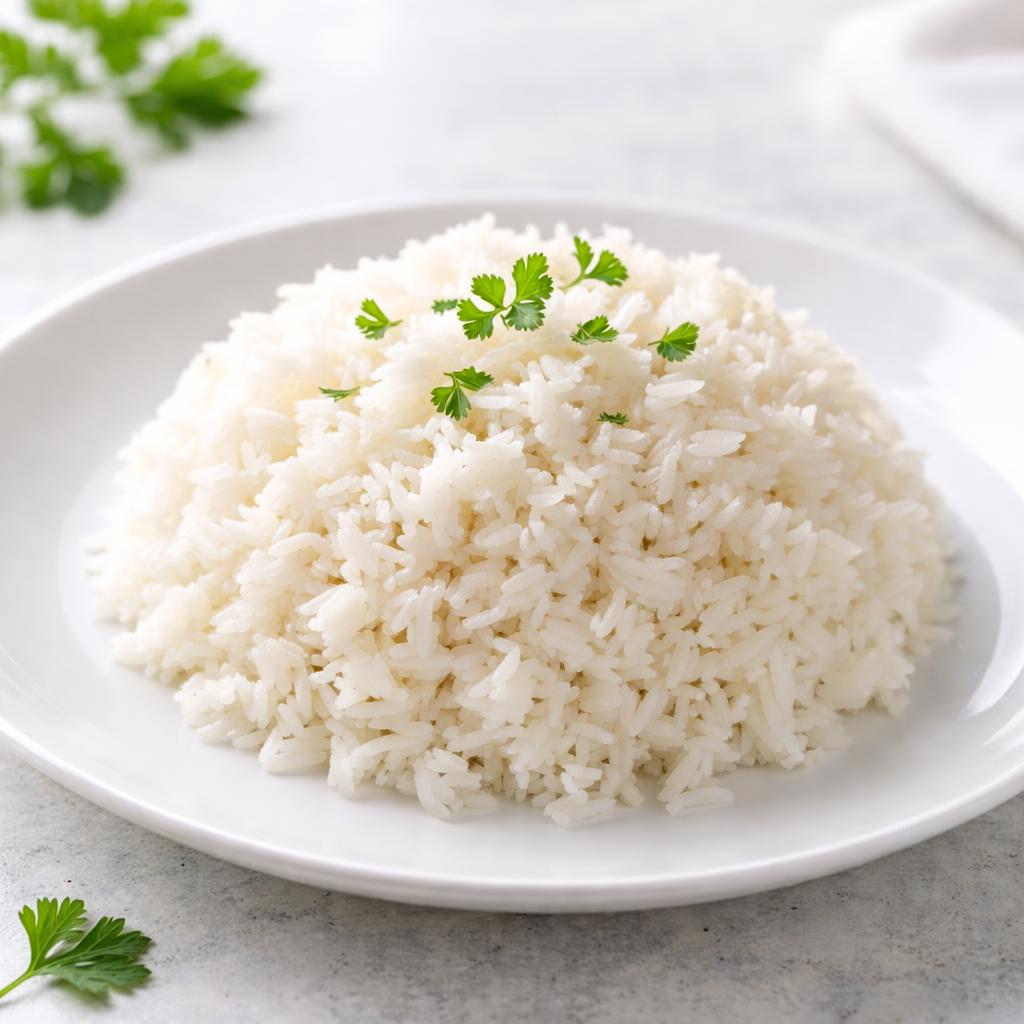
White Rice
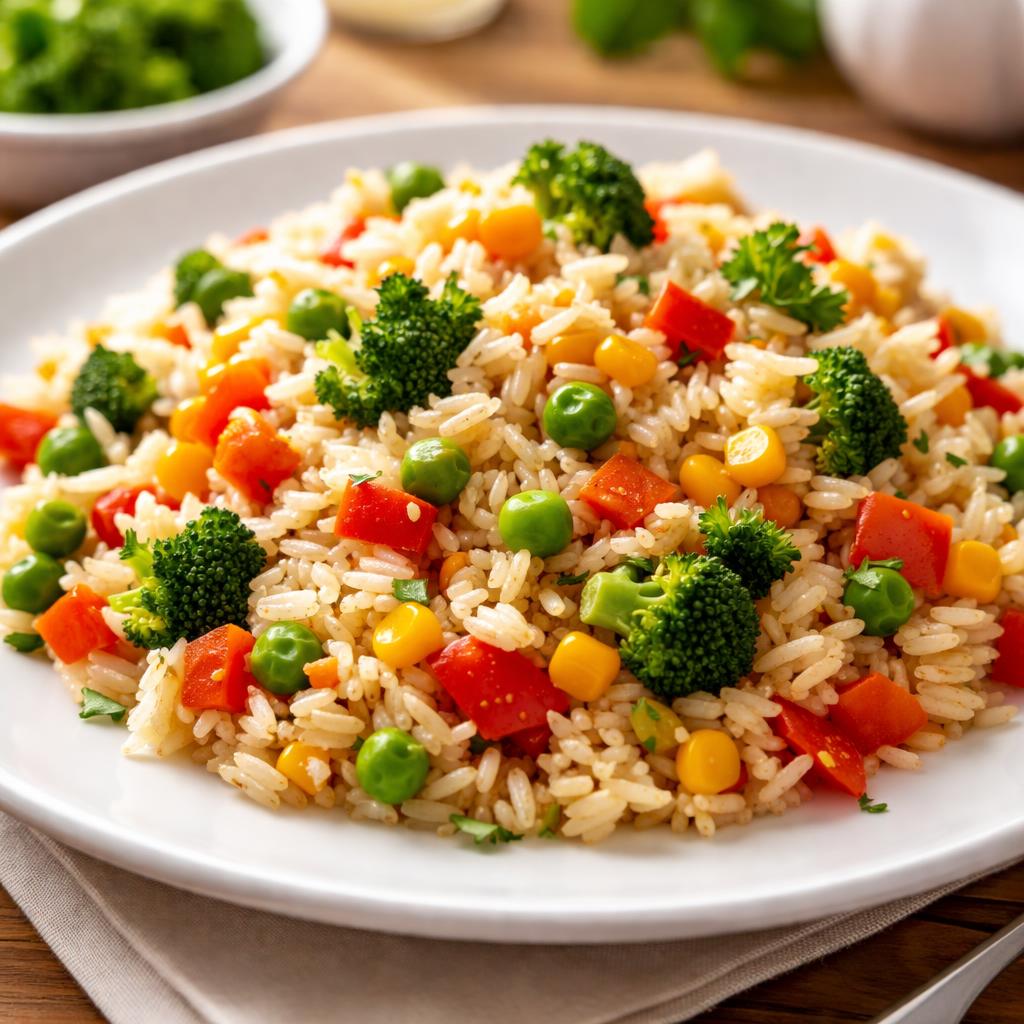
Rice With Vegetables
🎯 Quick Verdict
Rice with vegetables (food2) offers a more nutrient-dense profile than white rice (food1), including higher protein, fiber, and vitamins due to the addition of vegetables. White rice is lower in calories and carbohydrates, making it more suitable for low-calorie diets. Overall, food2 is a more balanced choice for general health and energy needs.

Smart Nutrition Tracking with SnapCalorie

📊 Nutritional Comparison
Macronutrients
| Nutrient | Food 1 | Food 2 | Winner |
|---|---|---|---|
| Calories | 130 | 180 | ✓ |
| Protein | 2.7g | 5g | ✓ |
| Carbs | 28g | 25g | ✓ |
| Fat | 0.3g | 2g | ✓ |
| Fiber | 0.4g | 4g | ✓ |
Vitamins & Minerals
| Nutrient | Food 1 | Food 2 | Winner |
|---|---|---|---|
| Vitamin A | 0mcg | 400mcg | ✓ |
| Vitamin C | 0mg | 5mg | ✓ |
| Iron | 0.6mg | 1.5mg | ✓ |
🏆 Category Winners
Protein
Food2 has nearly double the protein content due to added vegetables.
Fiber
Food2 contains 10x more fiber from vegetables.
Calories
Food1 is lower in calories, making it suitable for calorie-conscious diets.
🥗 Diet Compatibility
Keto
Food 1: Not Compatible
Food 2: Not Compatible
Both foods are high in carbohydrates and unsuitable for keto diets.
Vegan
Food 1: Compatible
Food 2: Compatible
Both are plant-based and fit vegan diets.
Gluten Free
Food 1: Compatible
Food 2: Compatible
Neither food contains gluten.
Paleo
Food 1: Not Compatible
Food 2: Partially Compatible
White rice is excluded from a paleo diet, while some variations of rice with vegetables may fit.
Low-Carb
Food 1: Not Compatible
Food 2: Not Compatible
Both foods contain high carbohydrate content.
💪 Health Benefits Comparison
Food 1 Benefits
- Quick energy source from carbohydrates
- Low in fat for lighter meals
- Very versatile and easy to digest
Food 2 Benefits
- High in fiber for better digestion
- Contains antioxidants from vegetables
- Offers a more balanced macronutrient profile
✅ The Bottom Line
White rice works well for low-calorie, easy-to-digest meals, while rice with vegetables is better for balanced nutrition and sustained energy. Choose food1 for simpler dishes and food2 for nutrient density and added flavor.
Choose Food 1 for: Low-calorie diets, easy digestion, simple meal bases
Choose Food 2 for: Balanced nutrition, fiber intake, flavorful meals


