White Rice VS Red Chili
A detailed nutritional comparison
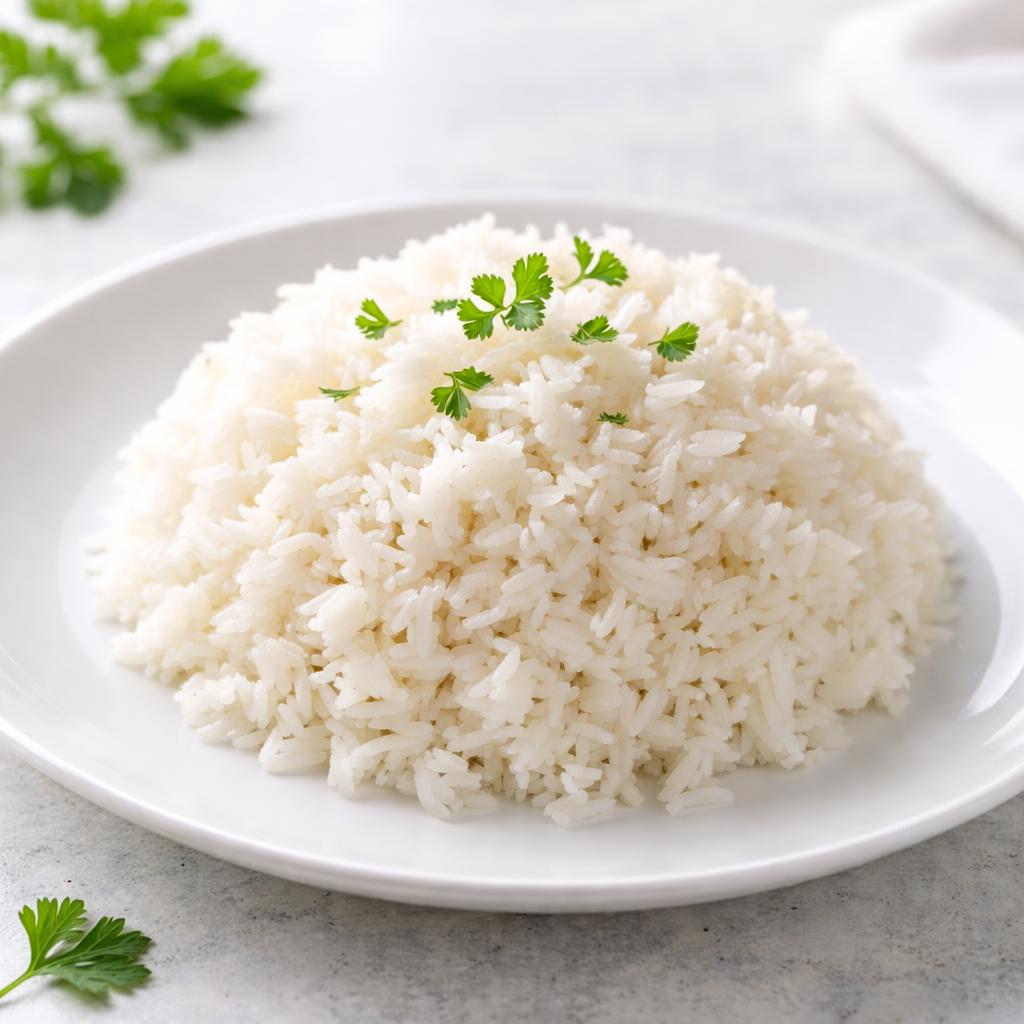
White Rice
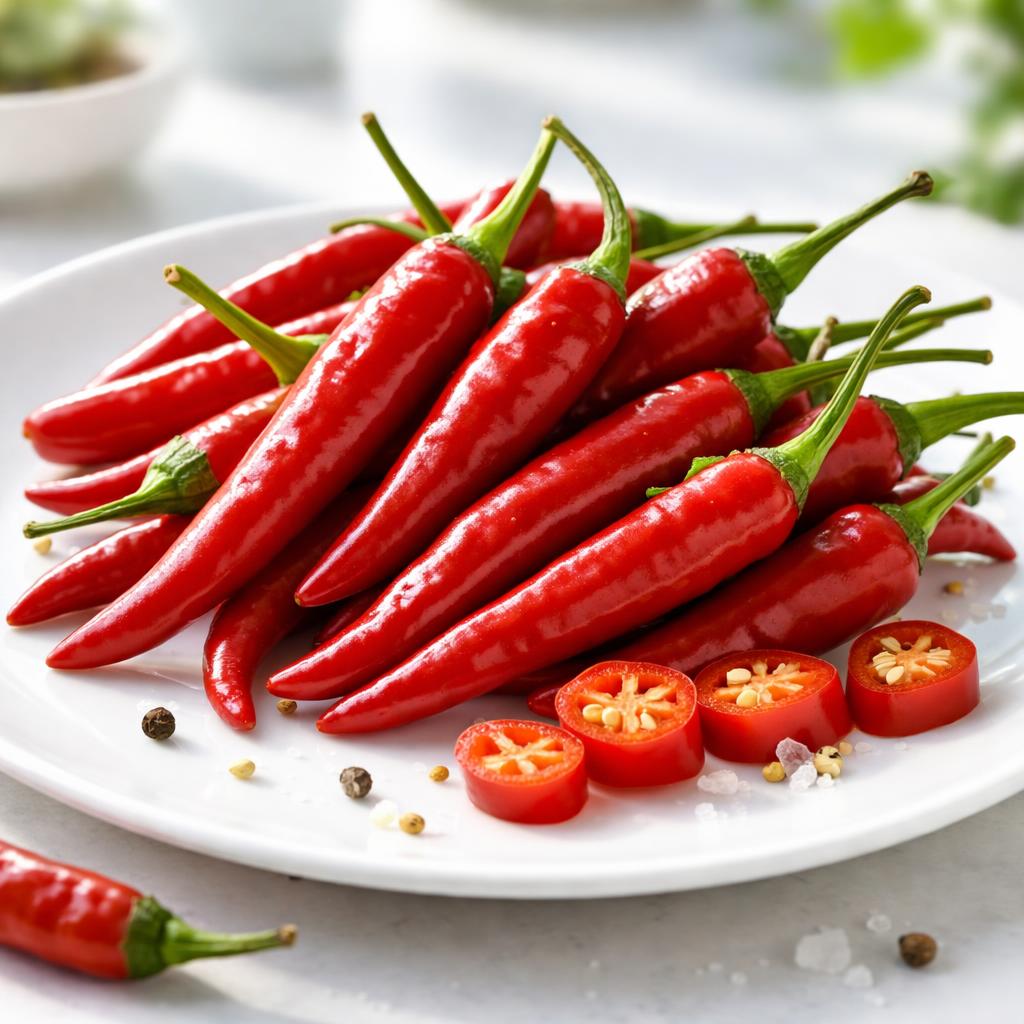
Red Chili
🎯 Quick Verdict
White rice and red chili differ significantly in their nutritional profiles. White rice is higher in calories and protein, making it a better energy source, while red chili is rich in fiber, lower in calories, and packed with antioxidants and vitamins. Rice suits energy-demanding diets, while chili is excellent for enhancing flavor and micronutrient intake.

Smart Nutrition Tracking with SnapCalorie

📊 Nutritional Comparison
Macronutrients
| Nutrient | Food 1 | Food 2 | Winner |
|---|---|---|---|
| Calories | 130 per 100g (cooked) | 40 per 100g | ✓ |
| Protein | 2.7g | 1.9g | ✓ |
| Carbs | 28g | 9g | ✓ |
| Fat | 0.3g | 0.4g | ✓ |
| Fiber | 0.4g | 1.5g | ✓ |
Vitamins & Minerals
| Nutrient | Food 1 | Food 2 | Winner |
|---|---|---|---|
| Vitamin C | 0mg | 143.7mg | ✓ |
| Vitamin A | 0IU | 48IU | ✓ |
| Iron | 0.2mg | 0.5mg | ✓ |
🏆 Category Winners
Protein
White rice has more protein per serving compared to red chili.
Fiber
Red chili has nearly 4x the fiber content of white rice.
Calories
Red chili has 69% fewer calories due to its lower carbohydrate density.
Vitamins
Red chili contains significantly higher amounts of Vitamin C and Vitamin A.
🥗 Diet Compatibility
Keto
Food 1: Not Compatible
Food 2: Compatible
White rice is high-carb, while red chili is low-carb.
Vegan
Food 1: Compatible
Food 2: Compatible
Both foods are plant-based.
Gluten Free
Food 1: Compatible
Food 2: Compatible
Neither food contains gluten.
Paleo
Food 1: Compatible
Food 2: Compatible
Both fit within a paleo dietary framework.
Low-Carb
Food 1: Not Compatible
Food 2: Compatible
White rice is carb-dense, whereas red chili is low-carb.
💪 Health Benefits Comparison
Food 1 Benefits
- Provides a quick source of energy from carbohydrates
- Low in fat for calorie-conscious diets
- Easy to digest for sensitive stomachs
Food 2 Benefits
- High in antioxidants for combatting inflammation
- Excellent source of Vitamin C to boost immunity
- Contains capsaicin, which may promote metabolism and fat oxidation
✅ The Bottom Line
White rice is ideal for energy needs, especially for athletes or those requiring a higher carbohydrate intake. Red chili, on the other hand, is better suited for enhancing meal flavor while providing vitamins, antioxidants, and fiber. Use rice as a staple in energy-demanding diets and chili as a health-enhancing condiment.
Choose Food 1 for: Quick energy, post-workout meals, diverse cuisines
Choose Food 2 for: Immune health, weight management, low-carb diets


