White Rice VS Pork
A detailed nutritional comparison
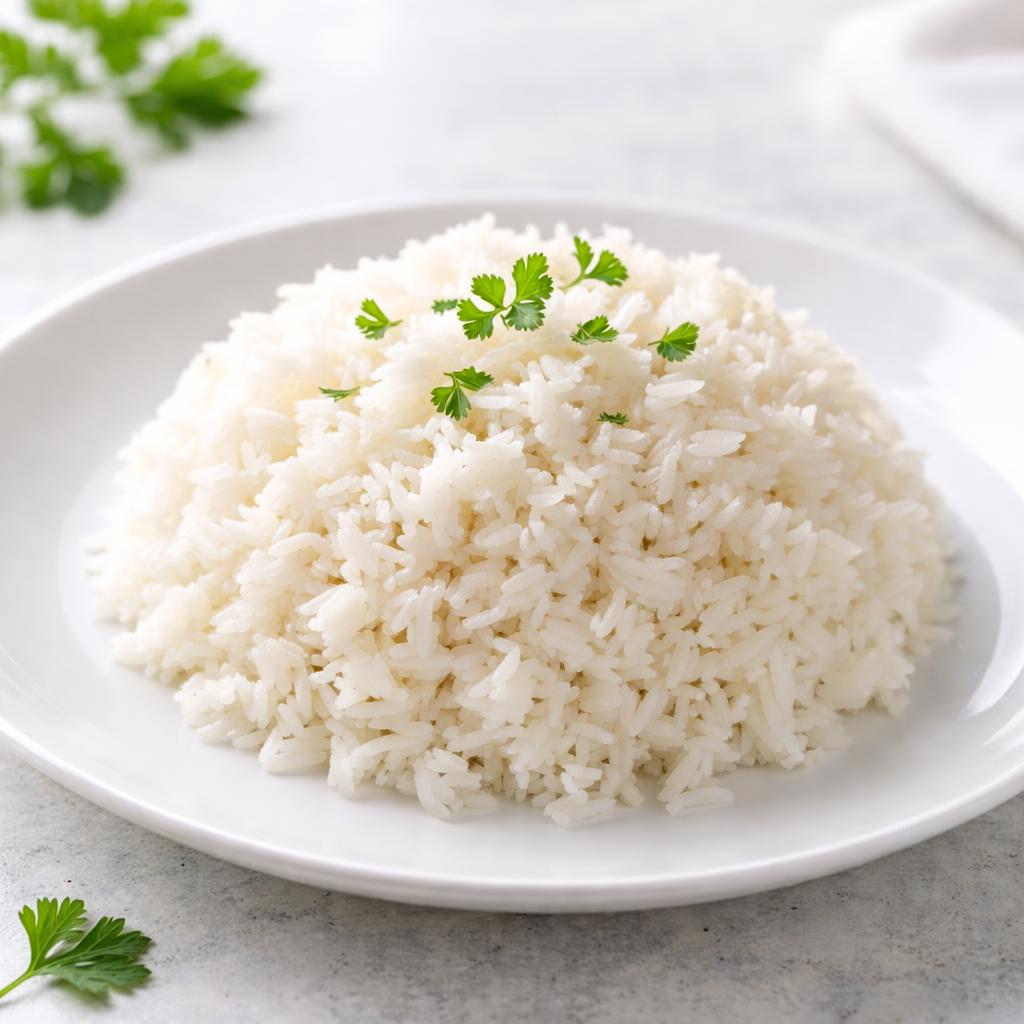
White Rice
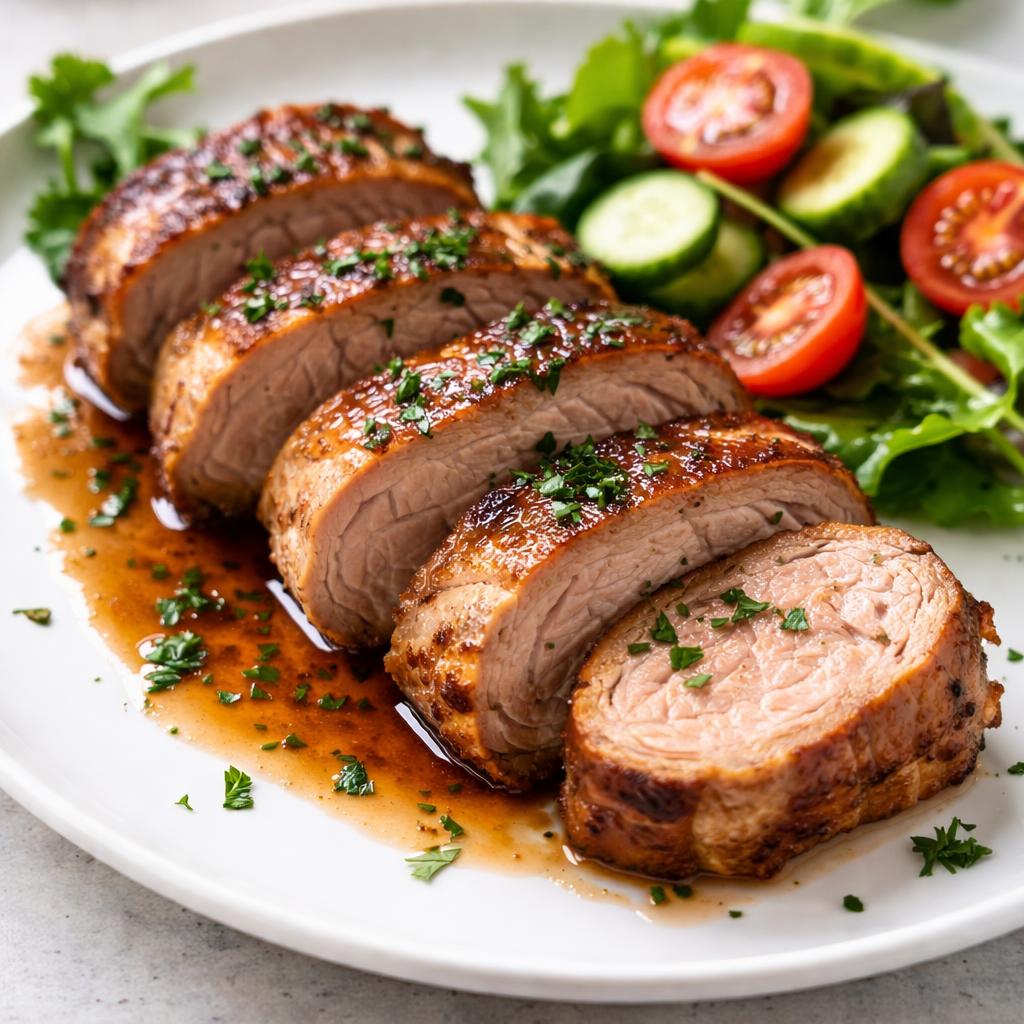
Pork
🎯 Quick Verdict
Pork is significantly higher in protein (25g vs 2g per 100g serving), making it ideal for muscle building and recovery. White rice, on the other hand, is more calorie-conscious (130 calories vs 290 calories per 100g) and provides more fiber, making it suitable for balanced meals or energy during endurance activities. Both suit different dietary goals and occasions.

Smart Nutrition Tracking with SnapCalorie

📊 Nutritional Comparison
Macronutrients
| Nutrient | Food 1 | Food 2 | Winner |
|---|---|---|---|
| Calories | 130 | 290 | ✓ |
| Protein | 2g | 25g | ✓ |
| Carbs | 28g | 0g | ✓ |
| Fat | 0g | 20g | ✓ |
| Fiber | 0.4g | 0g | ✓ |
Vitamins & Minerals
| Nutrient | Food 1 | Food 2 | Winner |
|---|---|---|---|
| Vitamin D | 0mcg | 0.5mcg | ✓ |
| Calcium | 10mg | 15mg | ✓ |
| Iron | 0.2mg | 1.1mg | ✓ |
| Vitamin B12 | 0mcg | 0.7mcg | ✓ |
🏆 Category Winners
Protein
Pork outperforms rice with 25g of protein vs 2g per 100g.
Fiber
White rice has 0.4g of fiber, while pork has zero.
Calories
White rice is lower in calories, with 130 vs 290 per 100g serving.
Vitamins
Pork provides more essential vitamins, including B12 and D.
🥗 Diet Compatibility
Keto
Food 1: Not Compatible
Food 2: Compatible
Food2 (pork) is high in fat and protein, while Food1 (rice) is carb-heavy.
Vegan
Food 1: Compatible
Food 2: Not Compatible
Rice is plant-based, while pork is animal-derived.
Gluten Free
Food 1: Compatible
Food 2: Compatible
Neither food contains gluten.
Paleo
Food 1: Not Compatible
Food 2: Compatible
Rice is excluded in paleo diets due to its grain content; pork fits paleo guidelines.
Low Carb
Food 1: Not Compatible
Food 2: Compatible
White rice is high in carbs, while pork is carb-free.
💪 Health Benefits Comparison
Food 1 Benefits
- Provides quick energy from carbohydrates
- Easily digestible for sensitive stomachs
- Can be a good option for endurance athletes
- Relatively low in fat
Food 2 Benefits
- Rich source of complete protein for muscle repair
- Provides important vitamins like B12 for nerve function and energy
- Contains healthy fats essential for hormone production
- Offers iron, aiding red blood cell production
✅ The Bottom Line
Choose pork if you need a high-protein, nutrient-dense option for muscle building or recovery. Opt for white rice for quick energy and lighter meals, especially if you’re carb-loading or focusing on a lower-fat diet. Both foods can complement one another in balanced dietary plans.
Choose Food 1 for: Low-fat meals, quick energy, endurance athletes
Choose Food 2 for: High-protein meals, strength training, nutrient density


