White Rice VS Plain Rice
A detailed nutritional comparison
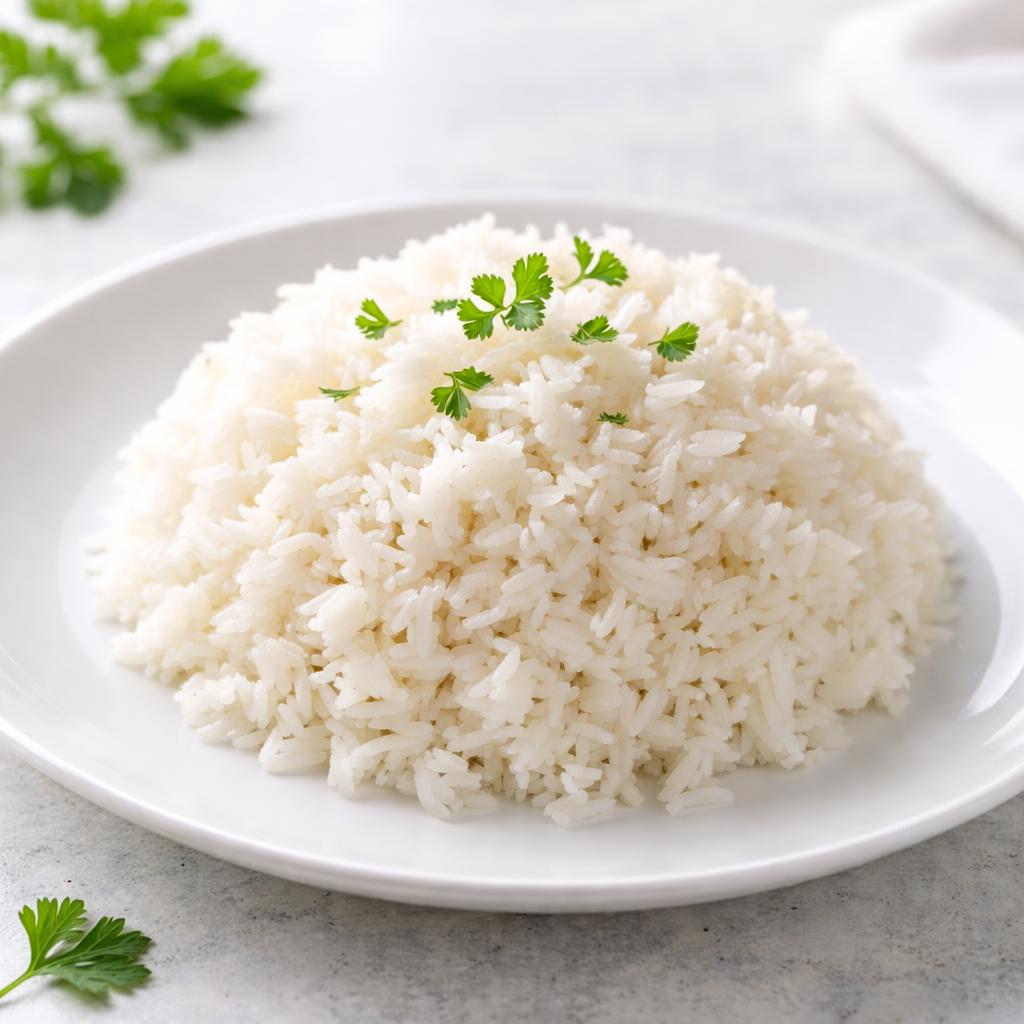
White Rice
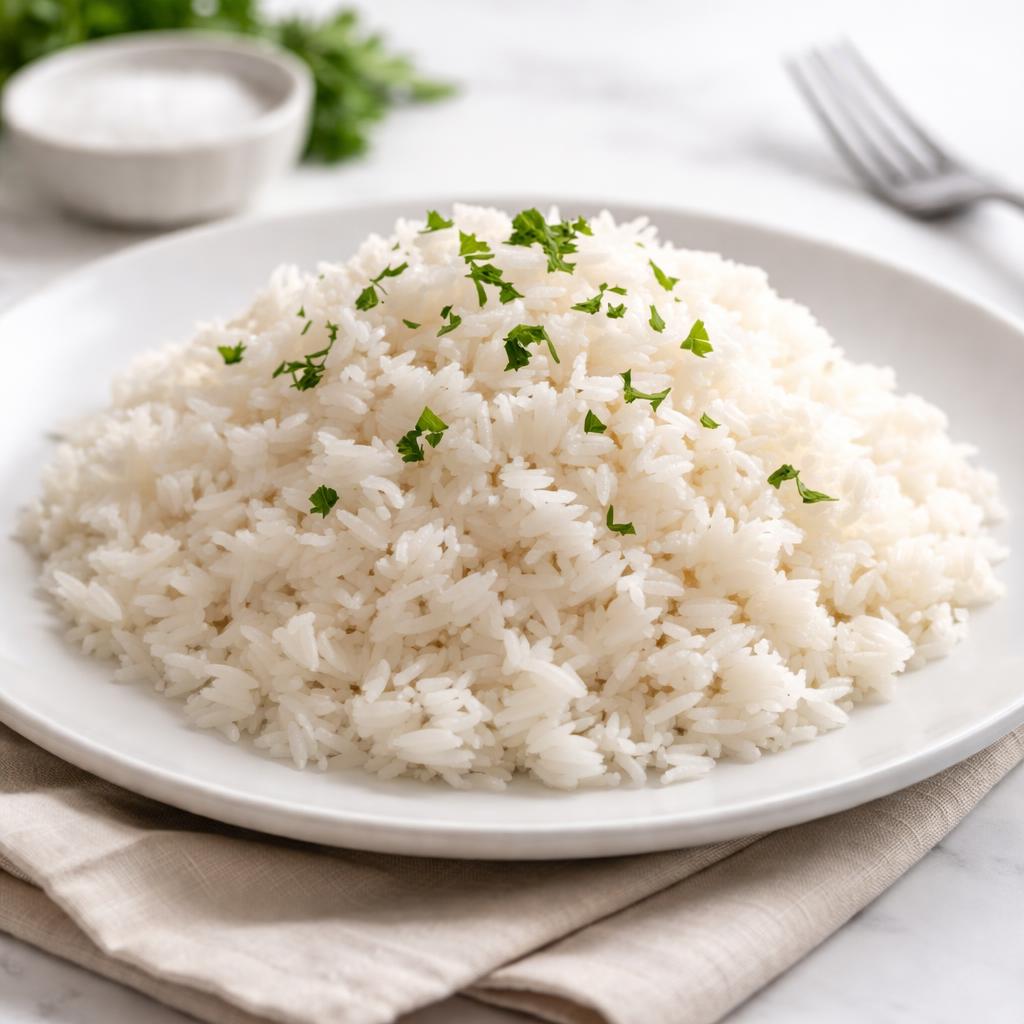
Plain Rice
🎯 Quick Verdict
White rice and plain rice are very similar in nutritional makeup, with negligible differences in calories and protein. However, plain rice (typically referring to unprocessed brown rice or whole-grain rice) has more fiber and additional micronutrients, making it slightly more nutrient-dense. White rice is better for energy and easier digestion, while plain rice is suited for a higher fiber intake and sustained energy releases.

Smart Nutrition Tracking with SnapCalorie

📊 Nutritional Comparison
Macronutrients
| Nutrient | Food 1 | Food 2 | Winner |
|---|---|---|---|
| Calories | 130 | 130 | − |
| Protein | 2.7g | 2.7g | − |
| Carbs | 28g | 25g | ✓ |
| Fat | 0.3g | 0.9g | ✓ |
| Fiber | 0.4g | 1.8g | ✓ |
Vitamins & Minerals
| Nutrient | Food 1 | Food 2 | Winner |
|---|---|---|---|
| Vitamin D | 0mcg | 0mcg | − |
| Calcium | 10mg | 20mg | ✓ |
| Iron | 0.2mg | 0.6mg | ✓ |
🏆 Category Winners
Protein
Both foods provide equal amounts of protein per serving.
Fiber
Plain rice has 450% more fiber for digestive health.
Calories
Both foods provide 130 calories per serving.
Vitamins
Plain rice contains slightly higher amounts of calcium and iron.
🥗 Diet Compatibility
Keto
Food 1: Not Compatible
Food 2: Not Compatible
Both are high-carb foods unsuitable for a keto diet.
Vegan
Food 1: Compatible
Food 2: Compatible
Both are plant-based foods.
Gluten Free
Food 1: Compatible
Food 2: Compatible
Neither food contains gluten inherently.
Paleo
Food 1: Partially Compatible
Food 2: Compatible
While plain rice (whole-grain) aligns better with paleo guidelines, white rice is often avoided due to its processing.
Low-Carb
Food 1: Not Compatible
Food 2: Not Compatible
Both foods are carb-dense.
💪 Health Benefits Comparison
Food 1 Benefits
- Quick and easy to digest for energy boosts
- Low fat content, suitable for low-fat diets
- Good choice for sensitive stomachs due to easy digestibility
Food 2 Benefits
- Higher in fiber for improved digestion
- Contains more minerals like calcium and iron
- Provides sustained energy due to complex carbs
✅ The Bottom Line
When choosing between white rice and plain rice, consider your goals. White rice is easier to digest, perfect for quick energy or recovery meals, but offers less nutrition overall. Plain rice is ideal for sustained energy, better digestive health, and added micronutrients. Both are versatile but serve slightly different needs.
Choose Food 1 for: Energy boosts, sensitive digestion, quick meals
Choose Food 2 for: Sustained energy, high-fiber diets, nutrient density


