White Rice VS Pie
A detailed nutritional comparison
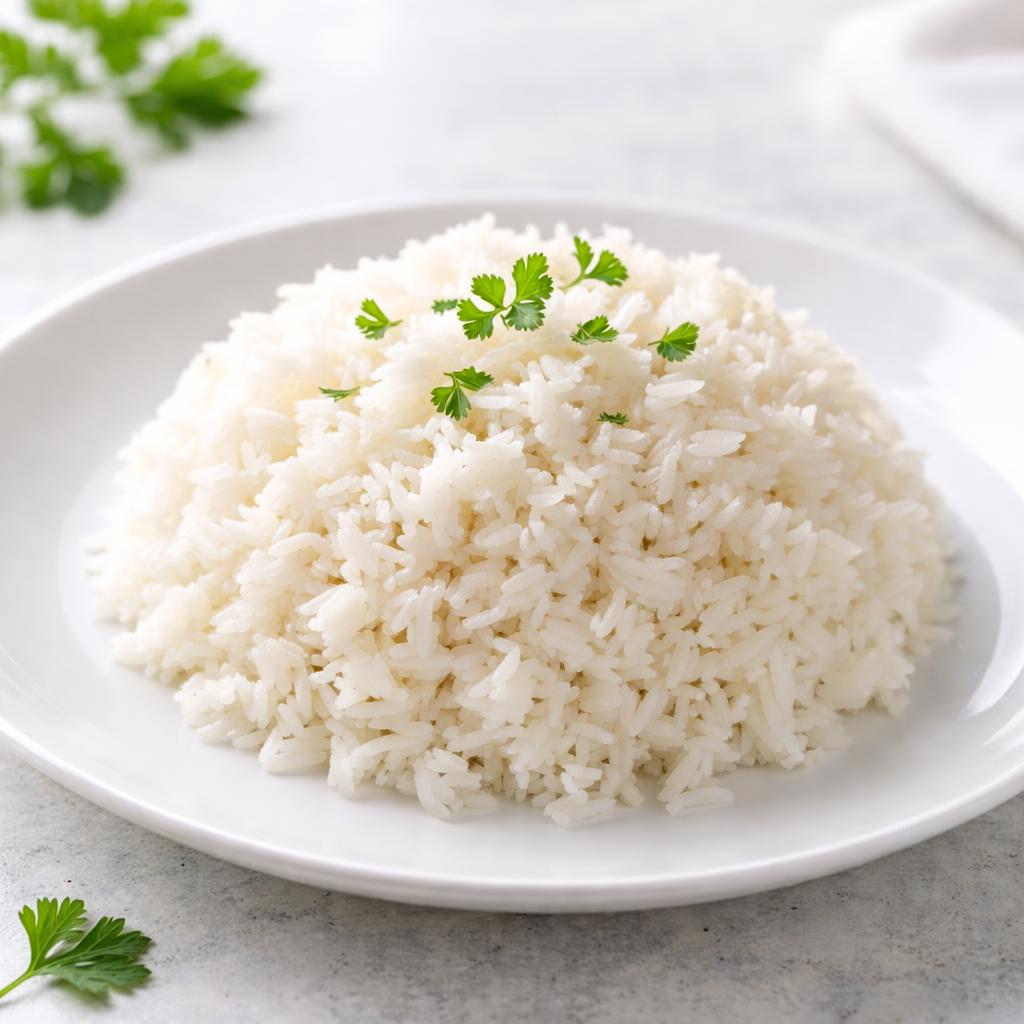
White Rice
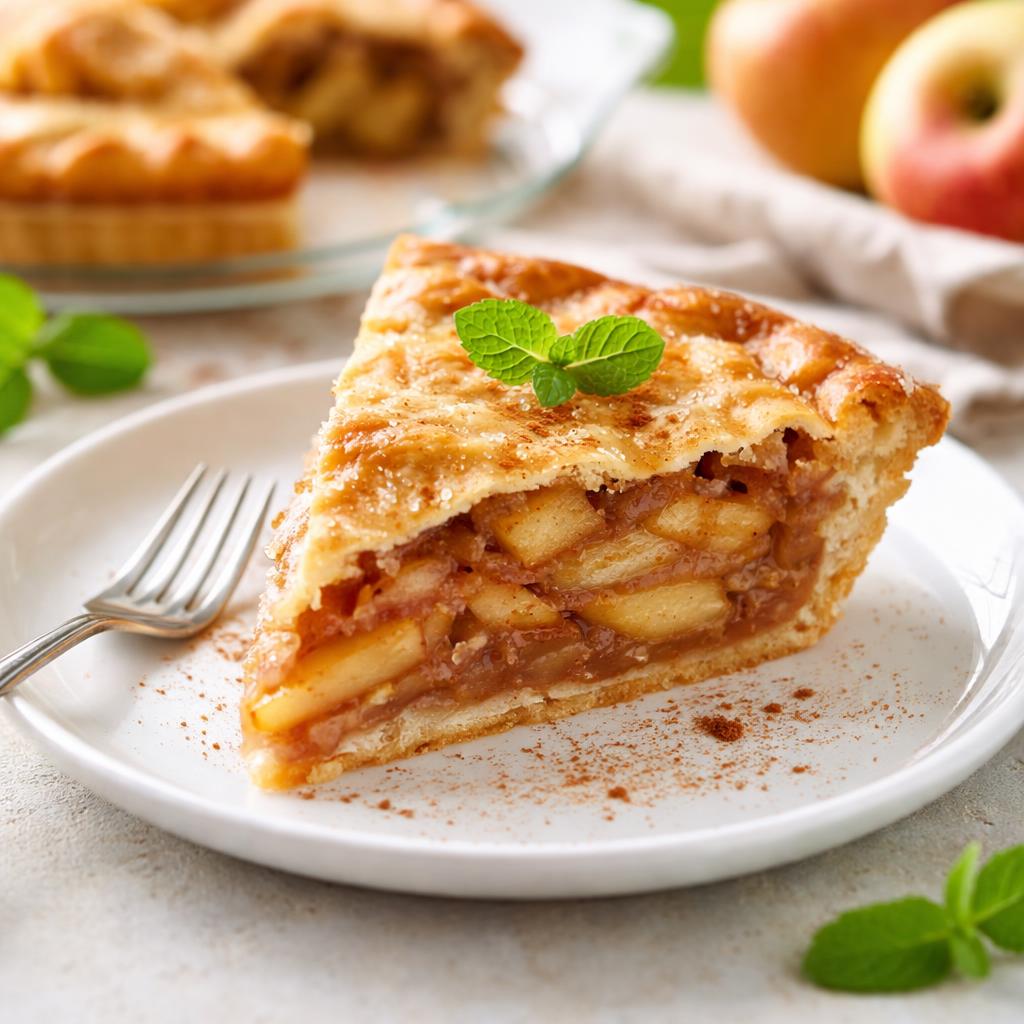
Pie
🎯 Quick Verdict
White rice is lower in calories and has a simpler macronutrient profile, making it a good choice for low-fat, quick energy meals. Pie, on the other hand, offers a wider range of nutrients, including higher protein, fiber, and certain vitamins, but is more calorie-dense due to added fats and sugars. Consider white rice for basic energy needs and pie for nutrient variety and satiety in moderation.

Smart Nutrition Tracking with SnapCalorie

📊 Nutritional Comparison
Macronutrients
| Nutrient | Food 1 | Food 2 | Winner |
|---|---|---|---|
| Calories | 205 per cup (cooked) | 450 per slice | ✓ |
| Protein | 4g per cup | 6g per slice | ✓ |
| Carbs | 45g per cup | 60g per slice | ✓ |
| Fat | 0.5g per cup | 25g per slice | ✓ |
| Fiber | 0.6g per cup | 3g per slice | ✓ |
Vitamins & Minerals
| Nutrient | Food 1 | Food 2 | Winner |
|---|---|---|---|
| Vitamin A | 0 IU | 100 IU per slice (varies by type) | ✓ |
| Vitamin C | 0mg | 5mg per slice (depends on pie filling) | ✓ |
| Calcium | 9mg per cup | 20mg per slice | ✓ |
| Iron | 0.5mg per cup | 1.2mg per slice | ✓ |
🏆 Category Winners
Protein
Pie offers 50% more protein per serving compared to white rice.
Fiber
Pie contains significantly more fiber due to whole ingredients (3g vs 0.6g).
Calories
White rice is lower in calories, making it a lighter option.
Vitamins
Pie has more variety in vitamins, including Vitamin A, C, calcium, and iron.
🥗 Diet Compatibility
Keto
Food 1: Not Compatible
Food 2: Not Compatible
Both are high in carbohydrates.
Vegan
Food 1: Compatible
Food 2: Depends on ingredients
White rice is vegan; pie may contain eggs, dairy, or gelatin.
Gluten Free
Food 1: Compatible
Food 2: Not Compatible
White rice is naturally gluten-free; pie crusts are typically made with wheat flour.
Paleo
Food 1: Not Compatible
Food 2: Not Compatible
Both foods include refined and processed ingredients.
Low-Carb
Food 1: Not Compatible
Food 2: Not Compatible
Both are carb-heavy foods unsuitable for a low-carb diet.
💪 Health Benefits Comparison
Food 1 Benefits
- Provides quick and easily digestible energy
- Low in fat, making it suitable for low-fat diets
- Naturally gluten-free and hypoallergenic
Food 2 Benefits
- Higher fiber content supports digestion
- Rich in varied nutrients depending on ingredients (e.g., Vitamin A, C, calcium)
- Contains healthy fats (if made with nuts or seeds) for satiety
✅ The Bottom Line
Choose white rice if you need a simple, low-calorie carb source for energy or if you're gluten-free. Opt for pie as an occasional treat when looking for a more nutrient-dense option, but eat in moderation due to its higher calorie and fat content.
Choose Food 1 for: Low-fat meals, quick energy needs, gluten-free diets
Choose Food 2 for: Digestive health, nutrient variety, occasional indulgence


