White Rice VS Pepper
A detailed nutritional comparison
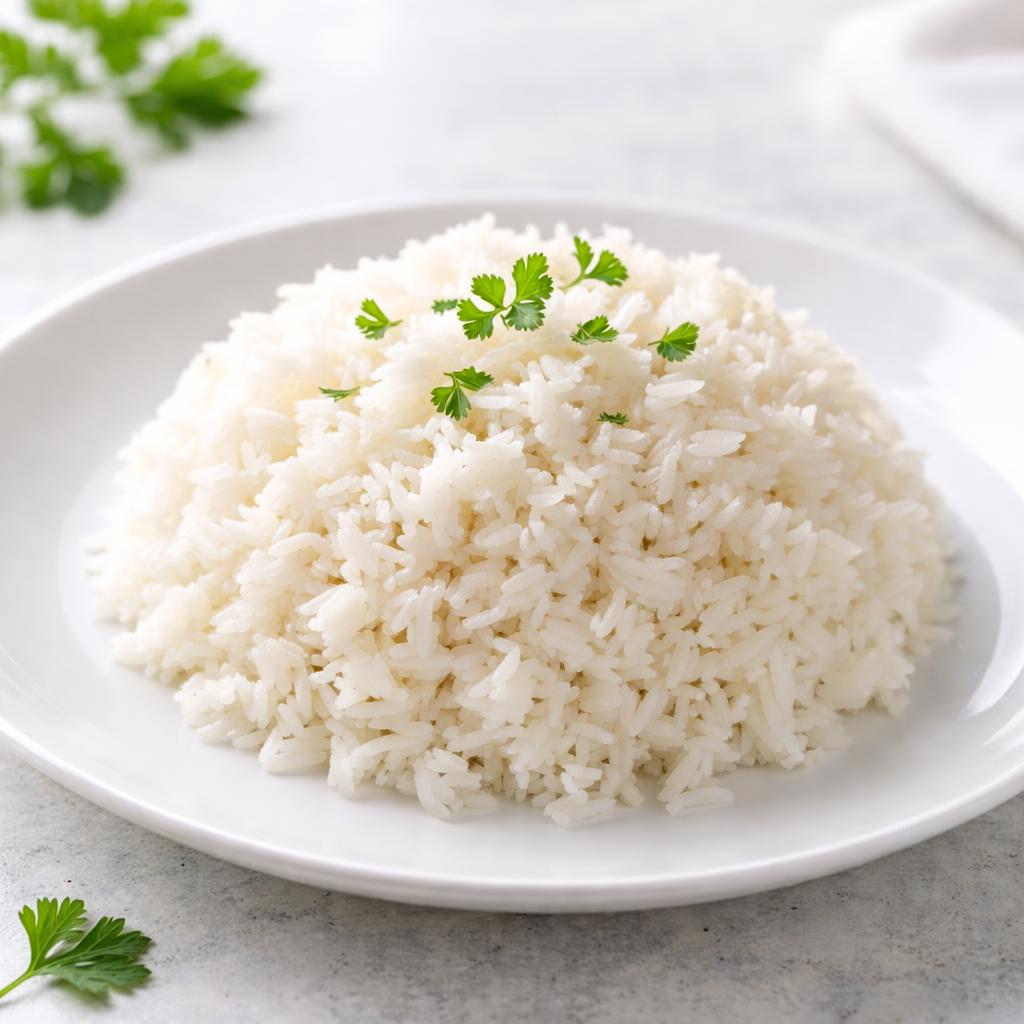
White Rice
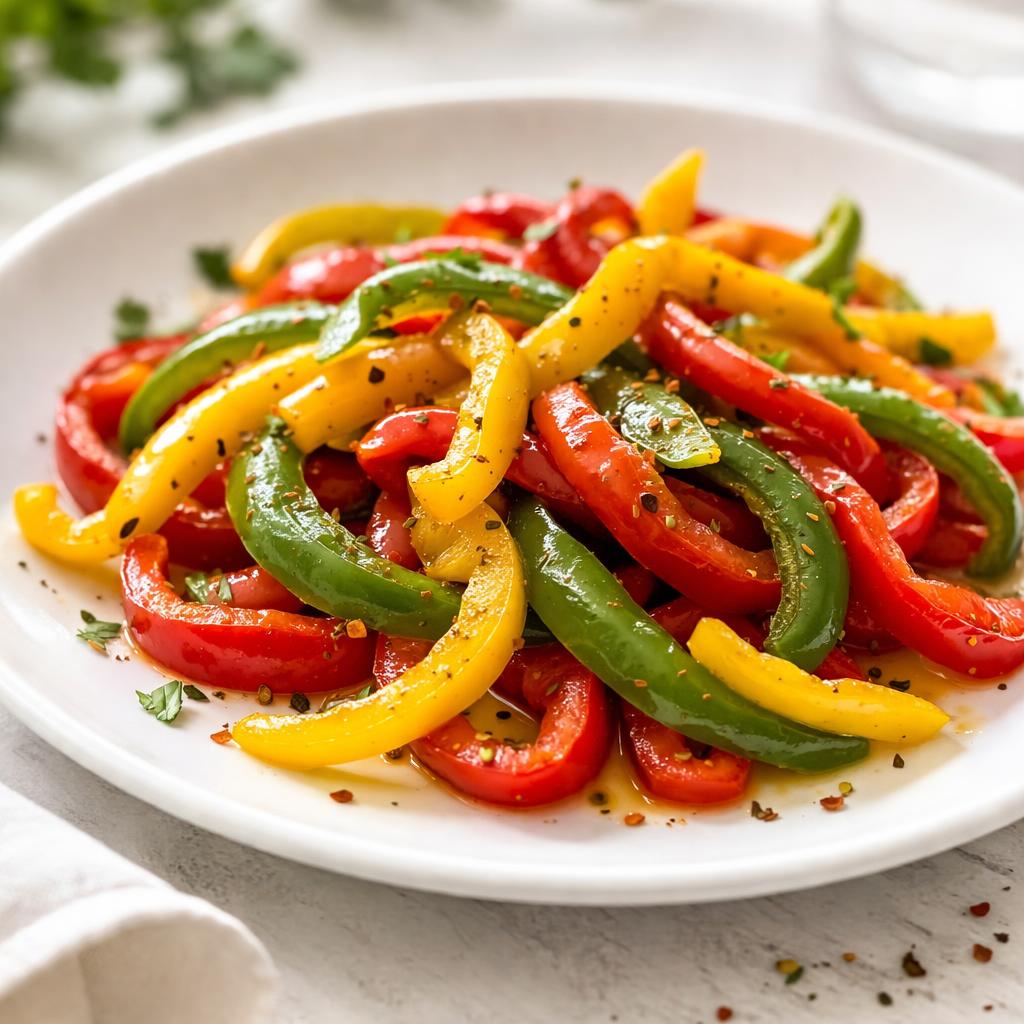
Pepper
🎯 Quick Verdict
White rice is higher in calories but provides more carbohydrates, making it a great energy source. Bell peppers are significantly lower in calories, much higher in fiber, and provide an abundance of vitamins such as vitamin C. Bell peppers are better suited to nutrient-dense, low-calorie diets, while white rice is ideal for energy replenishment and carb-focused meals.

Smart Nutrition Tracking with SnapCalorie

📊 Nutritional Comparison
Macronutrients
| Nutrient | Food 1 | Food 2 | Winner |
|---|---|---|---|
| Calories | 150 per cup cooked | 40 per cup sliced | ✓ |
| Protein | 3g | 1g | − |
| Carbs | 33g | 9g | ✓ |
| Fat | 0.3g | 0g | ✓ |
| Fiber | 0.6g | 3g | ✓ |
Vitamins & Minerals
| Nutrient | Food 1 | Food 2 | Winner |
|---|---|---|---|
| Vitamin C | 0mg | 95mg | ✓ |
| Vitamin A | 0IU | 3,800IU | ✓ |
| Potassium | 55mg | 210mg | ✓ |
🏆 Category Winners
Protein
Both foods have very low protein levels (around 1-3g per serving).
Fiber
Bell peppers provide 5x more fiber than white rice.
Calories
Bell peppers are a low-calorie food, containing 73% fewer calories than white rice.
Vitamins
Bell peppers are rich in vitamin C, A, and potassium, while white rice lacks significant vitamins.
🥗 Diet Compatibility
Keto
Food 1: Not Compatible
Food 2: Compatible
White rice is high in carbs (33g), while bell peppers are low-carb (9g per serving).
Vegan
Food 1: Compatible
Food 2: Compatible
Both foods are plant-based.
Gluten Free
Food 1: Compatible
Food 2: Compatible
Neither contains gluten.
Paleo
Food 1: Not Compatible
Food 2: Compatible
White rice is not allowed in paleo diets, unlike bell peppers.
Low-Carb
Food 1: Not Compatible
Food 2: Compatible
White rice is high in carbs, whereas bell peppers are more suitable for low-carb diets.
💪 Health Benefits Comparison
Food 1 Benefits
- Provides a quick source of energy due to high carbohydrate content
- Versatile base for meals in various cuisines
- Gluten-free grain for individuals with gluten sensitivity
Food 2 Benefits
- Rich in vitamin C for immunity and skin health
- Good fiber content to support digestion and gut health
- Low-calorie and nutrient-dense, ideal for weight management
- Contains antioxidants which may help reduce inflammation
✅ The Bottom Line
Choose white rice for energy-intensive diets or as a carb source in meals. Bell peppers, on the other hand, are ideal for nutrient density, low-calorie diets, and boosting vitamin intake. Both foods complement one another depending on dietary goals.
Choose Food 1 for: Energy replenishment, carb-focused meals, gluten-free diets
Choose Food 2 for: Weight management, boosting vitamin intake, low-carb diets


