White Rice VS Panna Cotta
A detailed nutritional comparison
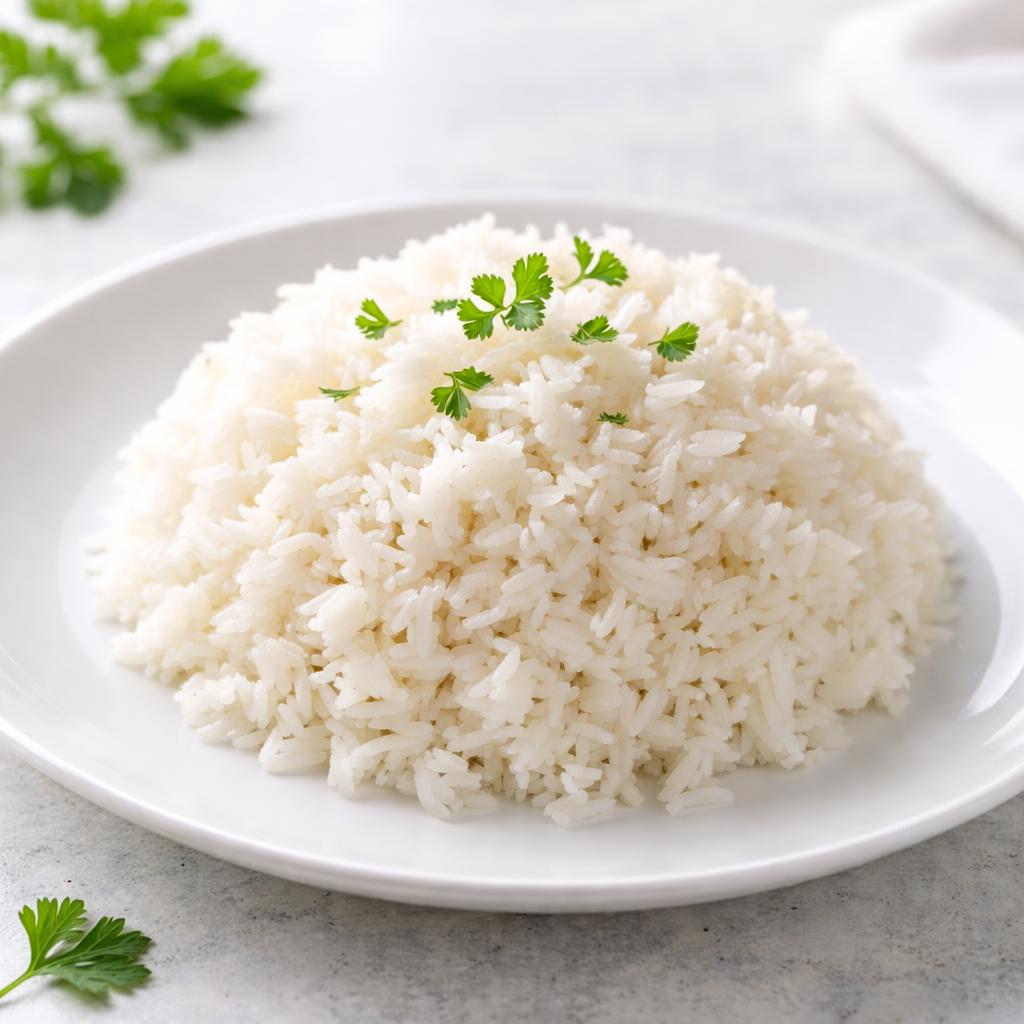
White Rice
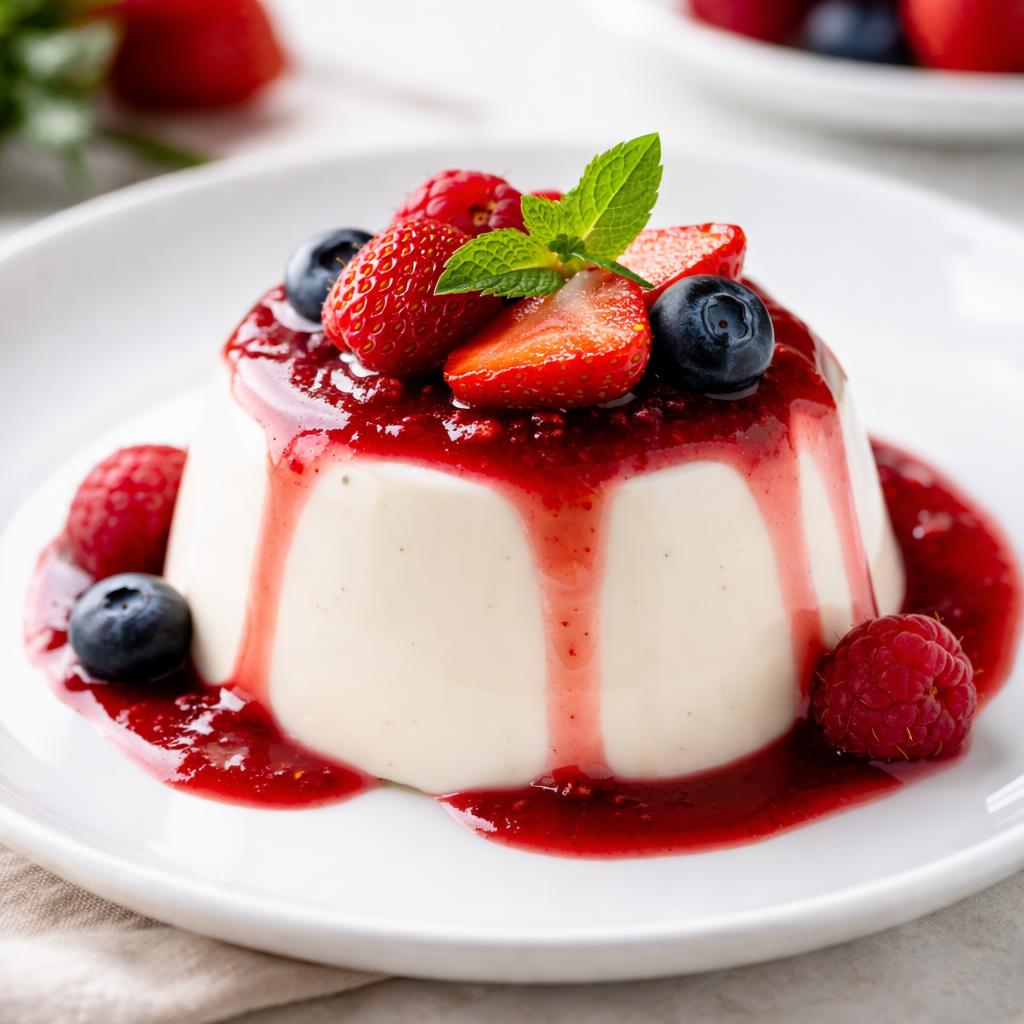
Panna Cotta
🎯 Quick Verdict
White rice, a staple grain, is lower in calories, fat, and sugar, making it a lighter choice. Panna cotta, a creamy dessert, is higher in fat, sugar, and calories but offers a richness perfect for occasional indulgence. White rice works well for everyday energy needs, while panna cotta is best as a treat when cravings strike.

Smart Nutrition Tracking with SnapCalorie

📊 Nutritional Comparison
Macronutrients
| Nutrient | Food 1 | Food 2 | Winner |
|---|---|---|---|
| Calories | 206 (1 cup cooked) | 250 (1 serving - ~½ cup) | ✓ |
| Protein | 4.3g | 3g | ✓ |
| Carbs | 45g | 27g | ✓ |
| Fat | 0.4g | 17g | ✓ |
| Fiber | 0.6g | 0g | ✓ |
Vitamins & Minerals
| Nutrient | Food 1 | Food 2 | Winner |
|---|---|---|---|
| Vitamin D | 0mcg | 1mcg | ✓ |
| Calcium | 10mg | 100mg | ✓ |
| Iron | 0.3mg | 0.1mg | ✓ |
🏆 Category Winners
Protein
Food1 (white rice) contains 43% more protein per serving.
Fiber
Food1 has a small amount of fiber (0.6g), while Food2 has none.
Calories
Food1 is lower in calories by 18% per serving.
Vitamins
Food2 contains more vitamin D and calcium, beneficial for bone health.
🥗 Diet Compatibility
Keto
Food 1: Not Compatible
Food 2: Not Compatible
Both are high in carbohydrates or sugar.
Vegan
Food 1: Compatible
Food 2: Not Compatible
Food1 (white rice) is plant-based, Food2 (panna cotta) contains dairy or gelatin.
Gluten Free
Food 1: Compatible
Food 2: Compatible
Both foods are naturally free of gluten.
Paleo
Food 1: Not Compatible
Food 2: Not Compatible
White rice is a grain, and panna cotta uses dairy, neither align with paleo principles.
Low-Carb
Food 1: Not Compatible
Food 2: Not Compatible
White rice and panna cotta are high in carbs or sugar, not suitable for low-carb diets.
💪 Health Benefits Comparison
Food 1 Benefits
- Provides easily digestible energy for physical activity
- Low in fat, making it suitable for low-fat diets
- Contains a small amount of protein for muscle repair
Food 2 Benefits
- Rich in healthy fats for skin and heart health
- Provides calcium for strong bones and teeth
- A satisfying dessert for occasional indulgence
✅ The Bottom Line
White rice is ideal for everyday meals when you need energy without excessive fat or sugar. Panna cotta is best as an occasional dessert or rich treat for special moments. Choose based on your dietary goals and occasion.
Choose Food 1 for: Energy, lighter meals, low-fat diets
Choose Food 2 for: Indulgence, dessert cravings, added calcium intake


