White Rice VS Orzo Pasta
A detailed nutritional comparison
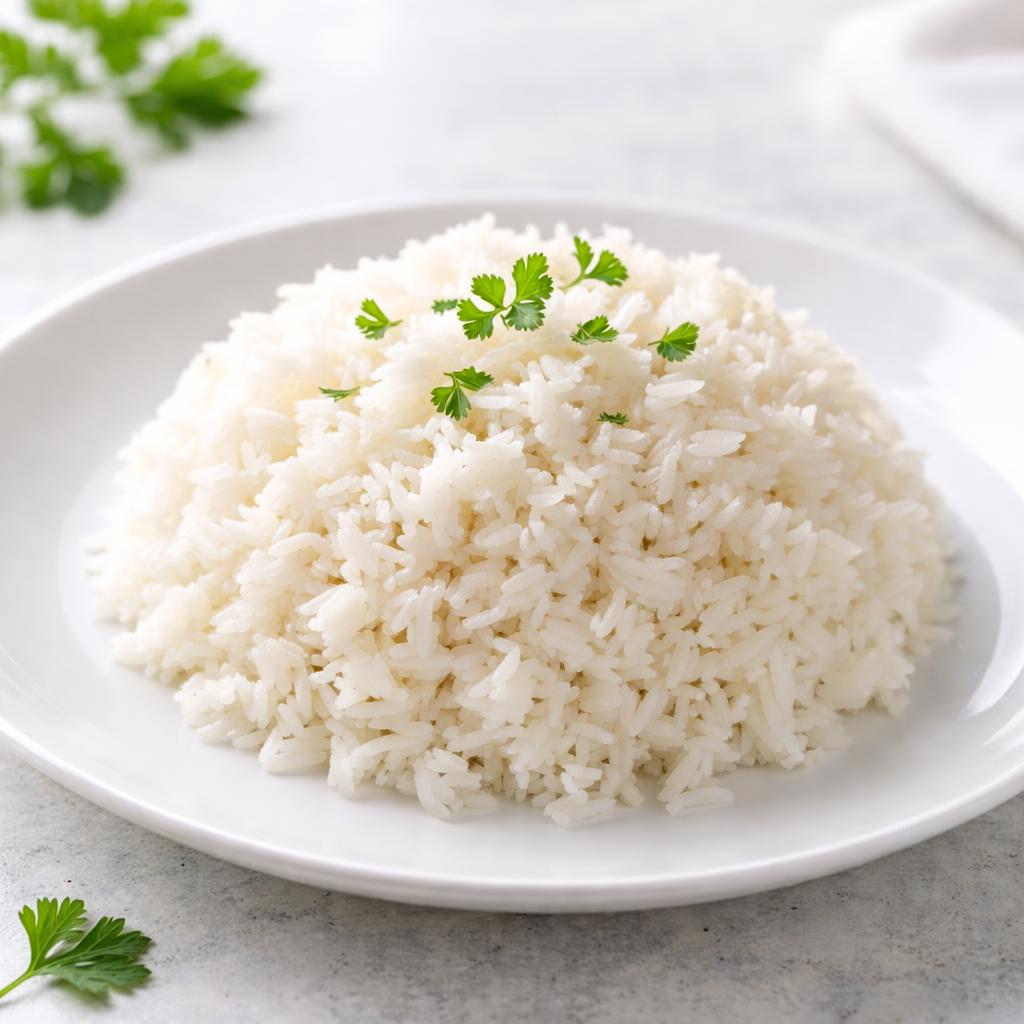
White Rice
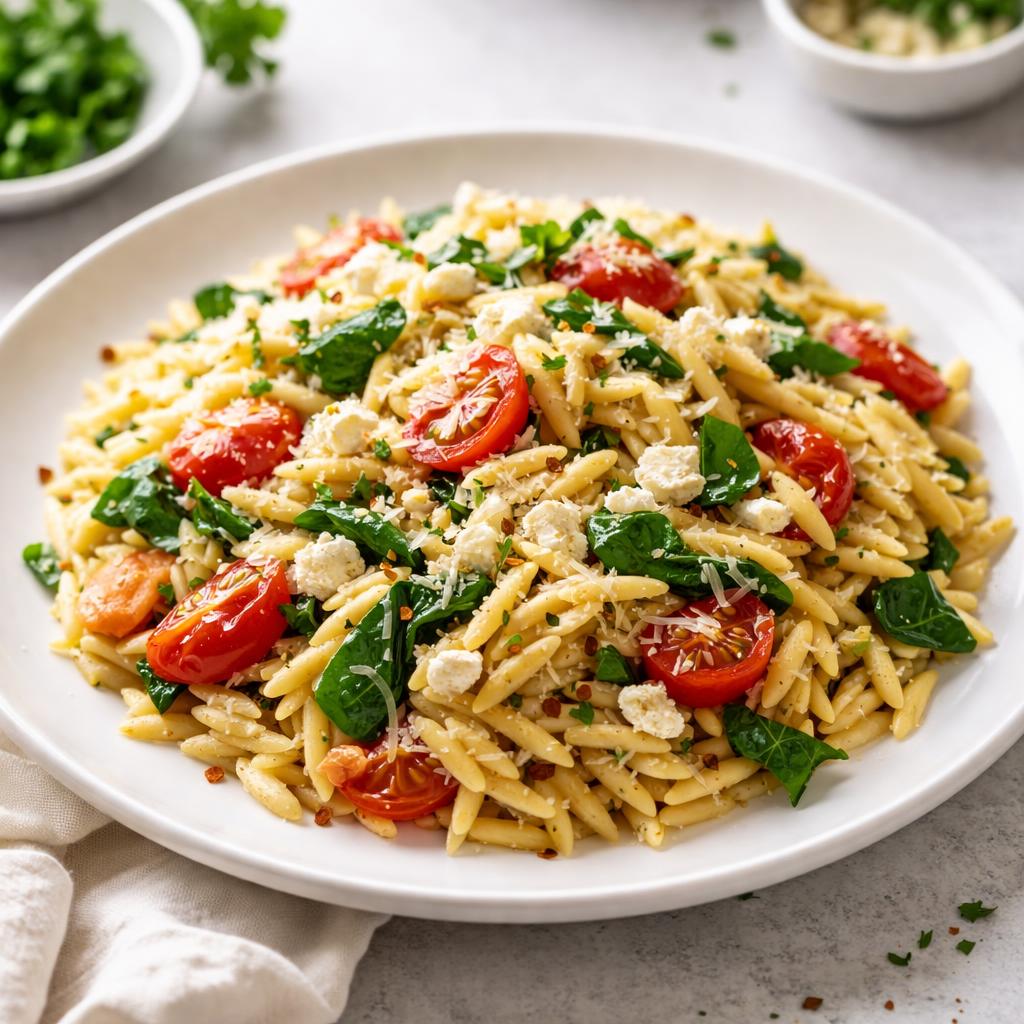
Orzo Pasta
🎯 Quick Verdict
Orzo pasta is higher in protein and fiber compared to white rice, making it more filling and nutrient-dense. White rice, however, is lower in calories and has fewer carbs, making it a lighter option for low-calorie meals or energy needs. Each food serves unique purposes depending on dietary goals and meal types.

Smart Nutrition Tracking with SnapCalorie

📊 Nutritional Comparison
Macronutrients
| Nutrient | Food 1 | Food 2 | Winner |
|---|---|---|---|
| Calories | 150 | 200 | ✓ |
| Protein | 3g | 7g | ✓ |
| Carbs | 33g | 41g | ✓ |
| Fat | 0g | 1g | ✓ |
| Fiber | 0g | 2g | ✓ |
Vitamins & Minerals
| Nutrient | Food 1 | Food 2 | Winner |
|---|---|---|---|
| Vitamin D | 0mcg | 0mcg | − |
| Calcium | 10mg | 13mg | ✓ |
| Iron | 0.2mg | 1.1mg | ✓ |
🏆 Category Winners
Protein
Orzo has over double the protein of white rice per serving.
Fiber
Orzo provides 2g of fiber compared to 0g in white rice.
Calories
White rice has 25% fewer calories per serving.
🥗 Diet Compatibility
Keto
Food 1: Not Compatible
Food 2: Not Compatible
Both are high-carb foods.
Vegan
Food 1: Compatible
Food 2: Compatible
Both are plant-based grain products.
Gluten Free
Food 1: Compatible
Food 2: Not Compatible
White rice is naturally gluten-free while orzo, made from wheat, contains gluten.
Paleo
Food 1: Not Compatible
Food 2: Not Compatible
Both are grains, which are excluded from paleo diets.
Low Carb
Food 1: Not Compatible
Food 2: Not Compatible
Each food is high in carbohydrates per serving.
💪 Health Benefits Comparison
Food 1 Benefits
- Low in calories, great for weight management
- Easy to digest, suitable for sensitive stomachs
- Provides quick energy, ideal for athletes or recovery
Food 2 Benefits
- Excellent source of protein for muscle recovery
- Higher fiber content supports digestion and satiety
- Rich in essential minerals like iron for oxygen transport
✅ The Bottom Line
White rice is ideal for light meals, easy digestion, and calorie-controlled diets, while orzo pasta offers more protein, fiber, and nutrients, making it better suited for nutrient-dense dishes and sustained energy. Select based on your dietary priorities.
Choose Food 1 for: Weight management, quick energy, sensitive stomachs
Choose Food 2 for: Higher protein needs, digestion support, nutrient-dense meals


