White Rice VS Old Fashioned
A detailed nutritional comparison
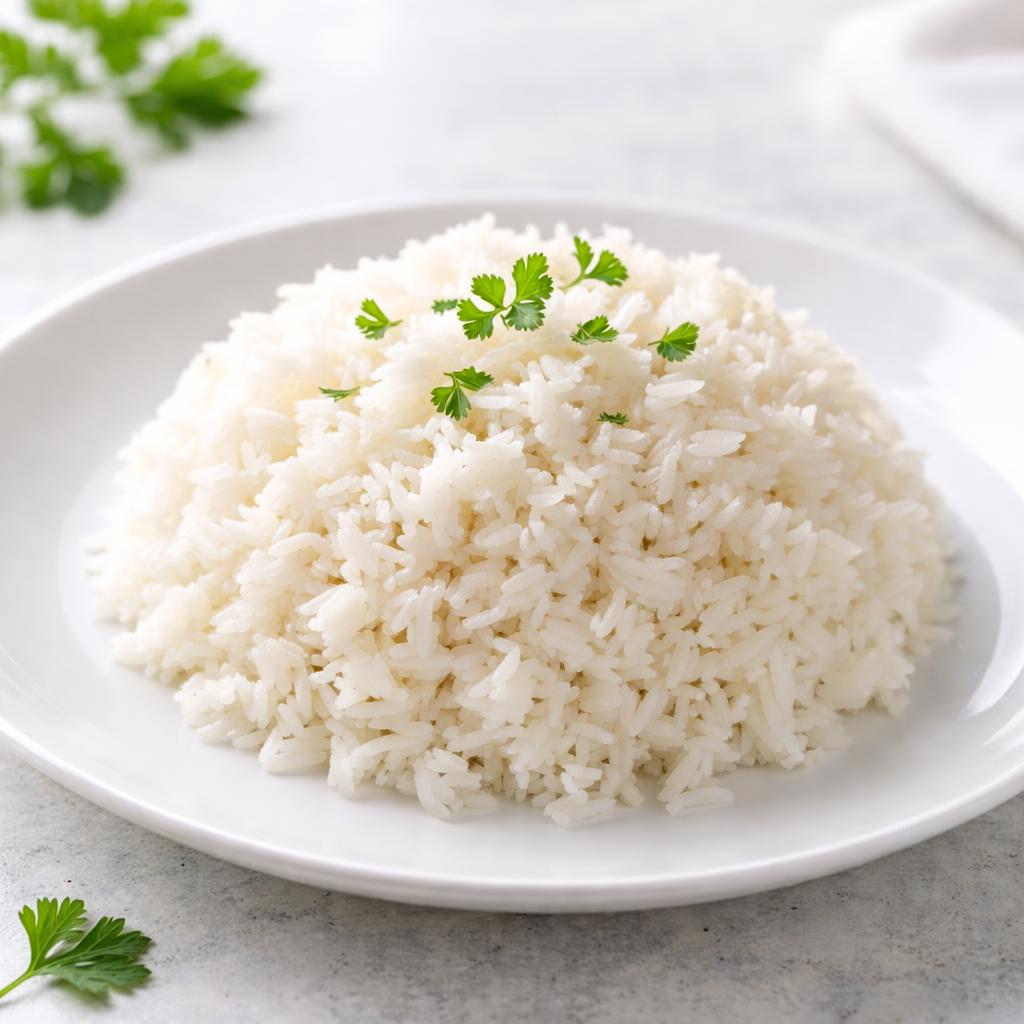
White Rice
Old Fashioned
🎯 Quick Verdict
Old fashioned oats outperform white rice nutritionally by offering significantly more protein and fiber per serving, making it better for sustained energy and digestion. White rice, however, is lower in fat and a quicker source of carbohydrates, suitable for immediate energy needs or lighter digestion during recovery periods.

Smart Nutrition Tracking with SnapCalorie

📊 Nutritional Comparison
Macronutrients
| Nutrient | Food 1 | Food 2 | Winner |
|---|---|---|---|
| Calories | 150 | 150 | − |
| Protein | 2.6g | 5g | ✓ |
| Carbs | 34g | 27g | ✓ |
| Fat | 0.3g | 2.5g | ✓ |
| Fiber | 0.6g | 4g | ✓ |
Vitamins & Minerals
| Nutrient | Food 1 | Food 2 | Winner |
|---|---|---|---|
| Vitamin D | 0mcg | 0mcg | − |
| Calcium | 10mg | 20mg | ✓ |
| Iron | 0.2mg | 1.8mg | ✓ |
🏆 Category Winners
Protein
Old fashioned oats have nearly double the protein of white rice.
Fiber
Old fashioned oats contain 4g of fiber versus 0.6g in white rice.
Calories
Both foods provide approximately 150 calories per serving.
🥗 Diet Compatibility
Keto
Food 1: Not Compatible
Food 2: Not Compatible
Both are high-carb foods and unsuitable for keto diets.
Vegan
Food 1: Compatible
Food 2: Compatible
Both foods are plant-based and fit vegan diets.
Gluten Free
Food 1: Compatible
Food 2: Compatible
White rice and oats processed without cross-contamination are naturally gluten-free.
Paleo
Food 1: Not Compatible
Food 2: Not Compatible
Neither food is allowed on a strict paleo diet.
Low-Carb
Food 1: Not Compatible
Food 2: Not Compatible
Both are high in carbohydrates and do not fit low-carb diets.
💪 Health Benefits Comparison
Food 1 Benefits
- Low in fat for a lighter option
- Easy-to-digest source of carbohydrates for quick energy
- Good for replenishing glycogen after exercise
Food 2 Benefits
- Rich in fiber to support healthy digestion
- Provides sustained energy from complex carbohydrates
- High in protein relative to grains for muscle support
✅ The Bottom Line
Old fashioned oats are the healthier choice overall due to their higher protein, fiber, and micronutrient content, making them ideal for sustained energy, digestion, and general nutrition. White rice, on the other hand, is beneficial for quick energy needs, lighter digestion, or scenarios like post-workout replenishment or dietary blandness.
Choose Food 1 for: Quick energy, post-workout glycogen recovery, low-fat diets
Choose Food 2 for: Sustained energy, high-fiber diets, heart health and satiety


