White Rice VS Oil
A detailed nutritional comparison
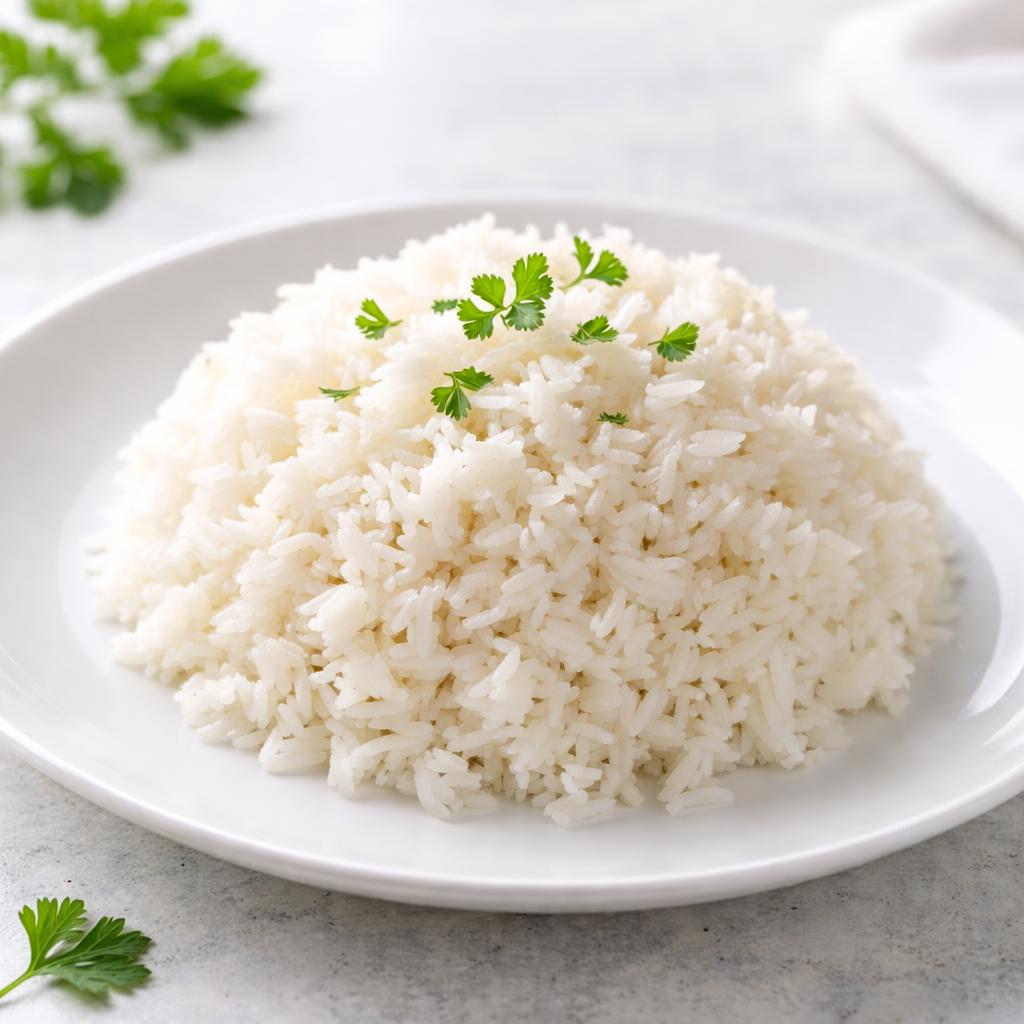
White Rice
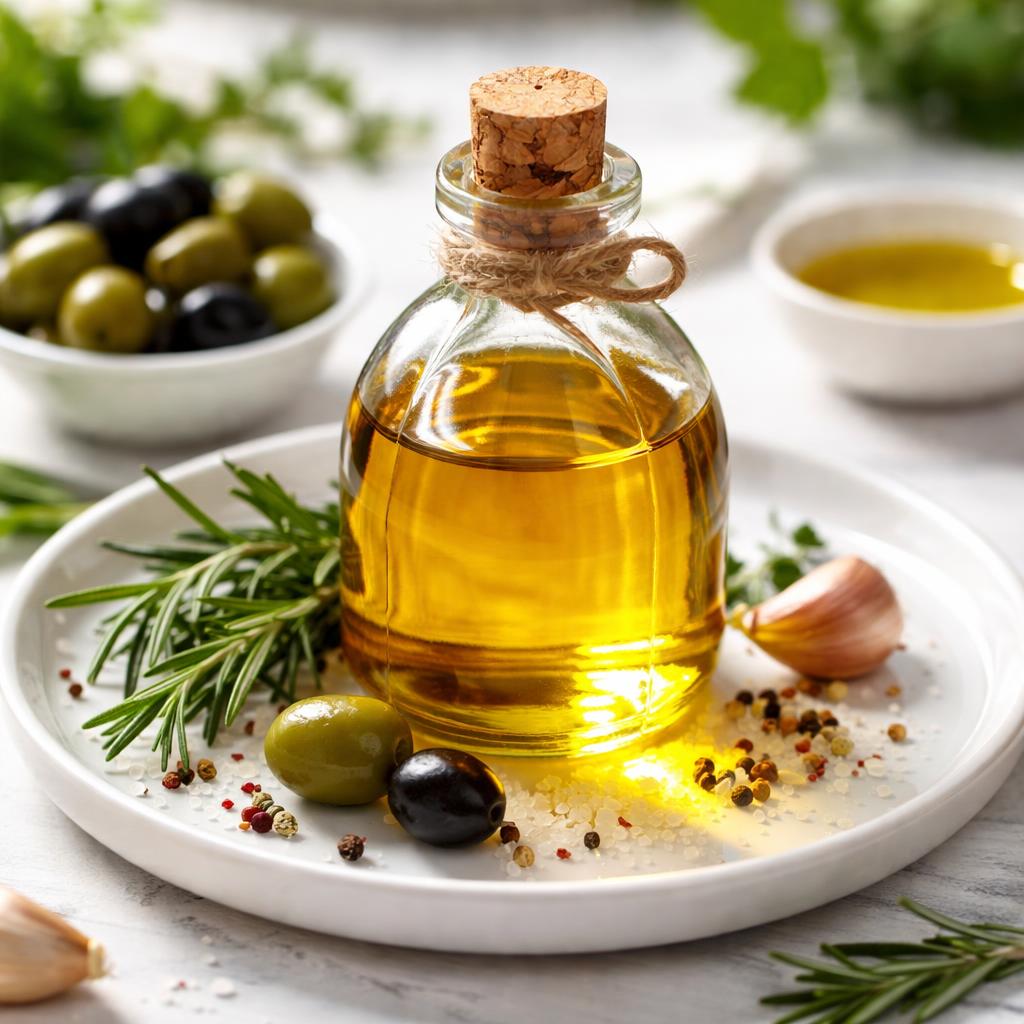
Oil
🎯 Quick Verdict
White rice and oil serve very different roles nutritionally. White rice is a carbohydrate-rich food ideal for energy and provides small amounts of protein and fiber, while oil is purely fat-based, offering more calories per serving but lacking protein and fiber. Choose white rice for energy and moderate nutrient density or oil for adding healthy fats to meals.

Smart Nutrition Tracking with SnapCalorie

📊 Nutritional Comparison
Macronutrients
| Nutrient | Food 1 | Food 2 | Winner |
|---|---|---|---|
| Calories | 200kcal (per 1 cup cooked) | 120kcal (per tablespoon) | ✓ |
| Protein | 4g | 0g | ✓ |
| Carbs | 45g | 0g | ✓ |
| Fat | 0g | 14g | ✓ |
| Fiber | 0.6g | 0g | ✓ |
Vitamins & Minerals
| Nutrient | Food 1 | Food 2 | Winner |
|---|---|---|---|
| Vitamin D | 0mcg | 0mcg | − |
| Vitamin E | 0mg | 2mg (depending on oil type) | ✓ |
| Calcium | 15mg | 0mg | ✓ |
| Iron | 0.5mg | 0.1mg | ✓ |
🏆 Category Winners
Protein
White rice provides small amounts of protein while oil has none.
Fiber
White rice has trace fiber content compared to oil which has none.
Calories
Oil has fewer calories per serving size (1 tbsp) compared to white rice (1 cup cooked).
Vitamins
Oil is a good source of vitamin E, while white rice lacks fat-soluble vitamins.
🥗 Diet Compatibility
Keto
Food 1: Not Compatible
Food 2: Compatible
Oil is purely fat-based, suiting keto diets, while white rice is high in carbs.
Vegan
Food 1: Compatible
Food 2: Compatible
Both are suitable for vegan diets.
Gluten Free
Food 1: Compatible
Food 2: Compatible
Neither contains gluten.
Paleo
Food 1: Not Compatible
Food 2: Compatible
White rice is excluded from paleo diets but oil is allowed.
Low Carb
Food 1: Not Compatible
Food 2: Compatible
Oil has zero carbs, while white rice is high in carbohydrates.
💪 Health Benefits Comparison
Food 1 Benefits
- Provides quick-release energy from carbohydrates.
- Low in fat, suitable for low-fat diets.
- Small amounts of protein supporting general diet diversity.
Food 2 Benefits
- Rich source of healthy fats for cardiovascular health (e.g., olive oil).
- Provides vitamin E for skin and antioxidant benefits.
- Supports nutrient absorption of fat-soluble vitamins in foods.
✅ The Bottom Line
White rice and oil are vastly different in nutritional makeup, fulfilling distinct dietary roles. Choose white rice when looking for energy or a carbohydrate base for meals, and use oil to elevate fat intake and nutritional absorption in dishes. Pairing them can balance macros effectively.
Choose Food 1 for: Energy needs, carb-loading, post-workout meals.
Choose Food 2 for: Keto diet, heart-healthy cooking, improving fat intake.


