White Rice VS Layered Cake
A detailed nutritional comparison
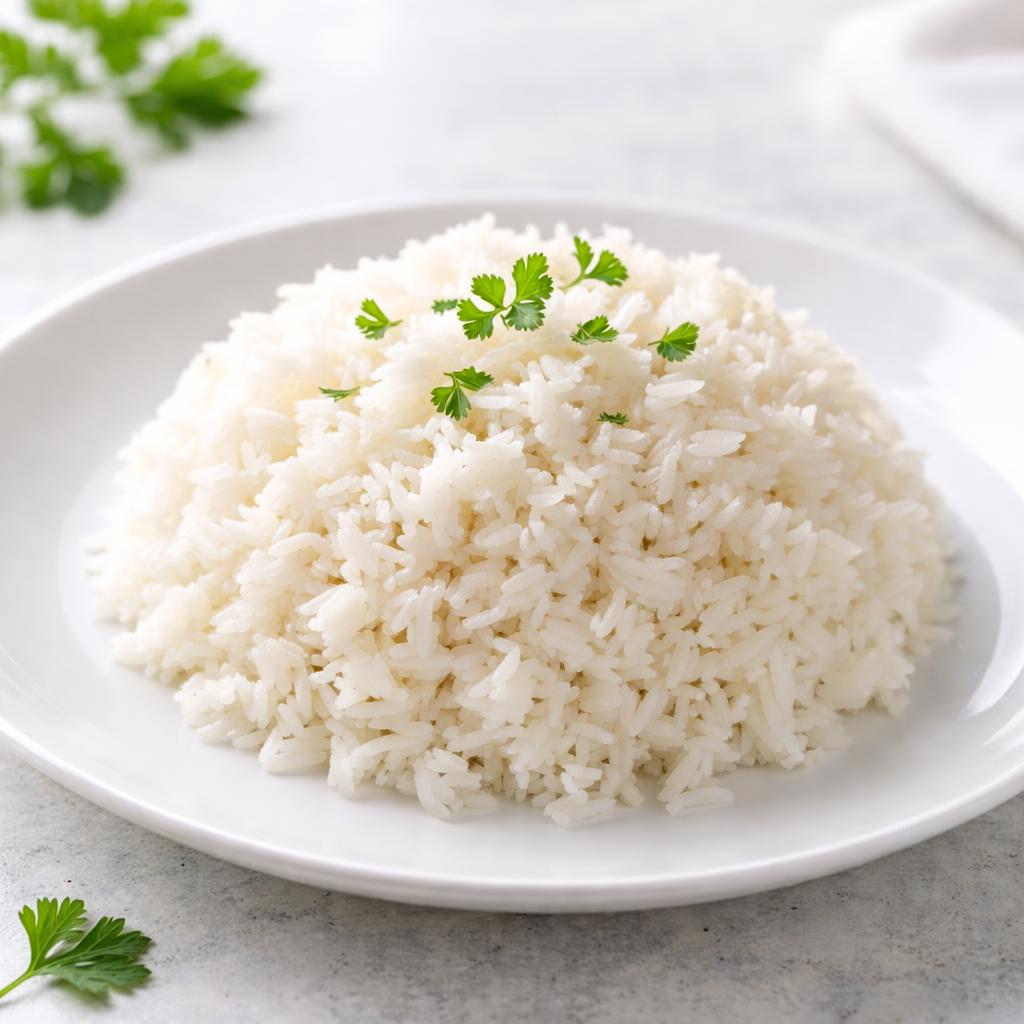
White Rice
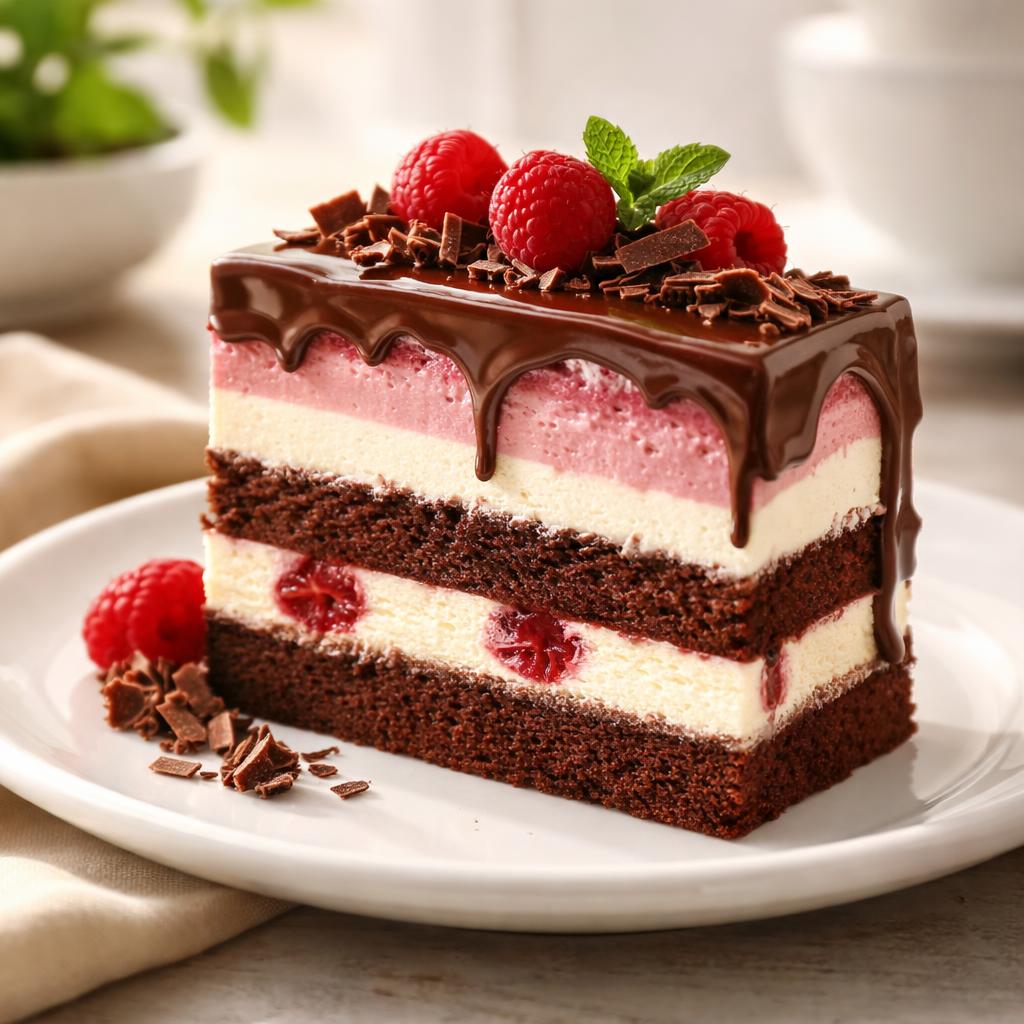
Layered Cake
🎯 Quick Verdict
White rice is a low-calorie, low-fat source of carbohydrates with moderate protein content, making it ideal for energy needs and weight loss diets. Layered cake, while higher in calories and sugar, provides more fiber and may suit indulgent occasions or energy-dense diets but is less nutritionally balanced overall.

Smart Nutrition Tracking with SnapCalorie

📊 Nutritional Comparison
Macronutrients
| Nutrient | Food 1 | Food 2 | Winner |
|---|---|---|---|
| Calories | 130 per cup (cooked) | 400 per slice | ✓ |
| Protein | 2.7g | 1.5g | ✓ |
| Carbs | 28g | 50g | ✓ |
| Fat | 0.3g | 20g | ✓ |
| Fiber | 0.6g | 2g | ✓ |
Vitamins & Minerals
| Nutrient | Food 1 | Food 2 | Winner |
|---|---|---|---|
| Vitamin D | 0mcg | trace amounts (depends on cake type) | ✓ |
| Calcium | 10mg | 100mg | ✓ |
| Iron | 0.3mg | 1mg | ✓ |
🏆 Category Winners
Protein
White rice contains 80% more protein per serving compared to layered cake.
Fiber
Layered cake offers 3x more fiber than white rice.
Calories
With 68% fewer calories per serving, white rice is much lighter.
🥗 Diet Compatibility
Keto
Food 1: Not Compatible
Food 2: Not Compatible
Both are high-carb and unsuitable for keto diets.
Vegan
Food 1: Compatible
Food 2: Depends on ingredients (usually not dairy-free)
White rice is vegan, while cakes often include eggs and milk.
Gluten Free
Food 1: Compatible
Food 2: Not Compatible
White rice is naturally gluten-free, but layered cake commonly contains wheat flour.
Paleo
Food 1: Not Compatible
Food 2: Not Compatible
Both do not align with paleo principles due to processed ingredients.
Low-Carb
Food 1: Not Compatible
Food 2: Not Compatible
Both are high in carbohydrates and do not meet low-carb guidelines.
💪 Health Benefits Comparison
Food 1 Benefits
- Low in fat and calories, making it suitable for weight management
- Easy to digest and gentle on the stomach
- Provides quick energy due to carbohydrate content
Food 2 Benefits
- Higher fiber for better digestion
- Contains calcium and iron for stronger bones and healthier blood
- Provides short-term sugar energy for active periods
✅ The Bottom Line
White rice is a more versatile and diet-friendly option due to its low calorie, low fat, and moderate protein content. Layered cake is better suited for special occasions or quick energy needs but should be consumed sparingly due to high sugar and fat levels.
Choose Food 1 for: Weight loss, bodybuilding, gentle carb-loading
Choose Food 2 for: Celebrations, indulgence, short-term energy boost


