White Rice VS Japanese Rice
A detailed nutritional comparison
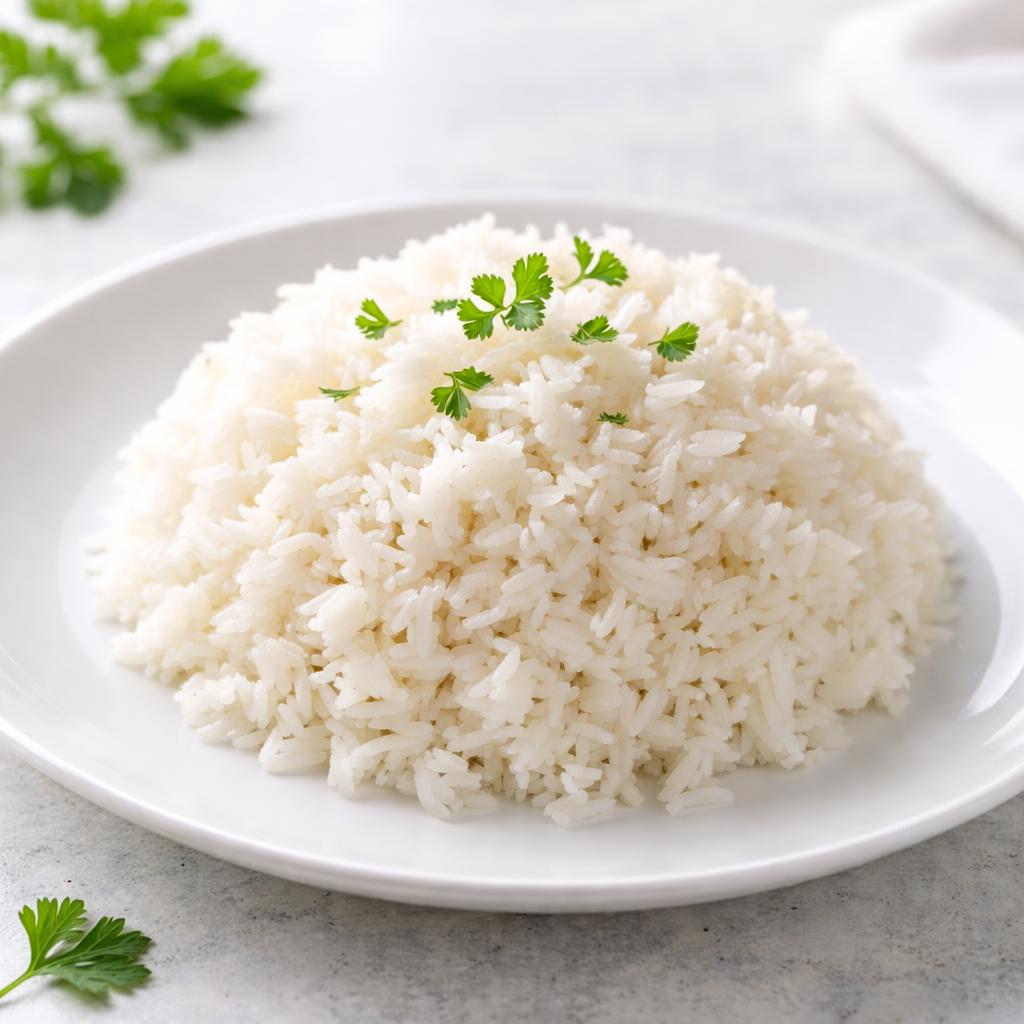
White Rice
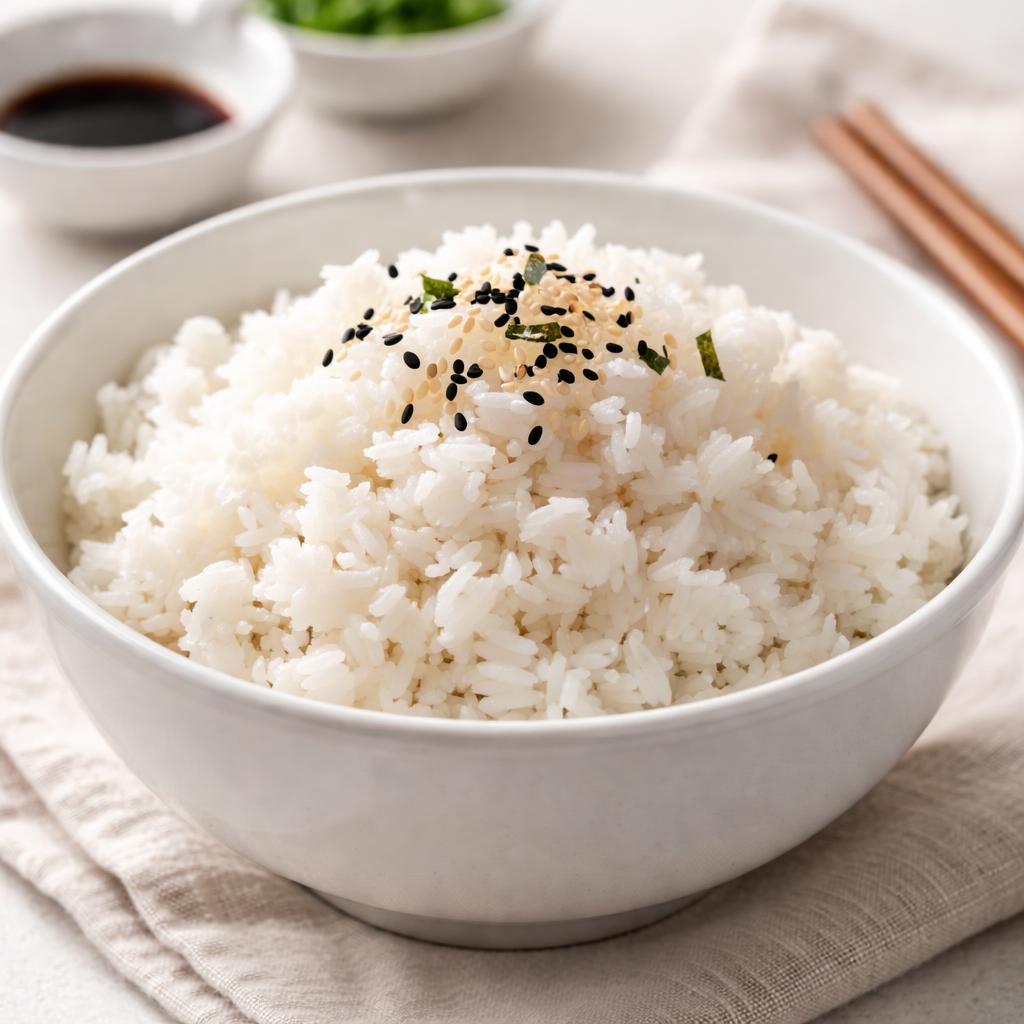
Japanese Rice
🎯 Quick Verdict
White rice and Japanese rice have similar nutritional profiles, with slight differences in calorie and carbohydrate content. White rice is marginally lower in calories and carbs, making it better for calorie-conscious individuals, while Japanese rice is stickier and ideal for dishes like sushi and rice bowls. Both are gluten-free and vegan-friendly options, but not suited for low-carb diets like keto.

Smart Nutrition Tracking with SnapCalorie

📊 Nutritional Comparison
Macronutrients
| Nutrient | Food 1 | Food 2 | Winner |
|---|---|---|---|
| Calories | 130 | 148 | ✓ |
| Protein | 2.7g | 2.6g | − |
| Carbs | 28.2g | 32g | ✓ |
| Fat | 0.3g | 0.2g | ✓ |
| Fiber | 0.4g | 0.4g | − |
Vitamins & Minerals
| Nutrient | Food 1 | Food 2 | Winner |
|---|---|---|---|
| Vitamin B6 | 0.08mg | 0.09mg | ✓ |
| Niacin (B3) | 1.2mg | 1.3mg | ✓ |
| Thiamine (B1) | 0.02mg | 0.03mg | ✓ |
🏆 Category Winners
Protein
Both foods have nearly identical protein content.
Fiber
Both foods contain an equal amount of fiber (0.4g per serving).
Calories
White rice has 12% fewer calories than Japanese rice.
Vitamins
Japanese rice provides slightly higher amounts of B vitamins.
🥗 Diet Compatibility
Keto
Food 1: Not Compatible
Food 2: Not Compatible
Both are high-carb foods with over 28g per serving.
Vegan
Food 1: Compatible
Food 2: Compatible
Both are plant-based and vegan-friendly.
Gluten Free
Food 1: Compatible
Food 2: Compatible
Neither contains gluten.
Paleo
Food 1: Compatible
Food 2: Compatible
Both align with paleo guidelines as unprocessed grains.
Low Carb
Food 1: Not Compatible
Food 2: Not Compatible
Neither qualifies as low-carb due to their high carbohydrate content.
💪 Health Benefits Comparison
Food 1 Benefits
- Provides quick energy due to its carbohydrate content
- Low in fat and cholesterol-free
- Easily digestible for sensitive stomachs
Food 2 Benefits
- Contains slightly more B vitamins for energy production
- Sticky texture supports portion control and pairing with nutrient-dense toppings
- Low-fat and cholesterol-free source of carbohydrates
✅ The Bottom Line
Choose white rice if you need a slightly lower calorie and carb option for weight management. Opt for Japanese rice for stickier texture and dishes like sushi, where its higher B vitamin content is a plus but with slightly more calories.
Choose Food 1 for: Quick meals, weight-conscious diets, pairing with protein-rich toppings
Choose Food 2 for: Sushi, nutrient-dense rice bowls, traditional Japanese dishes


