White Rice VS Italian Sausage
A detailed nutritional comparison
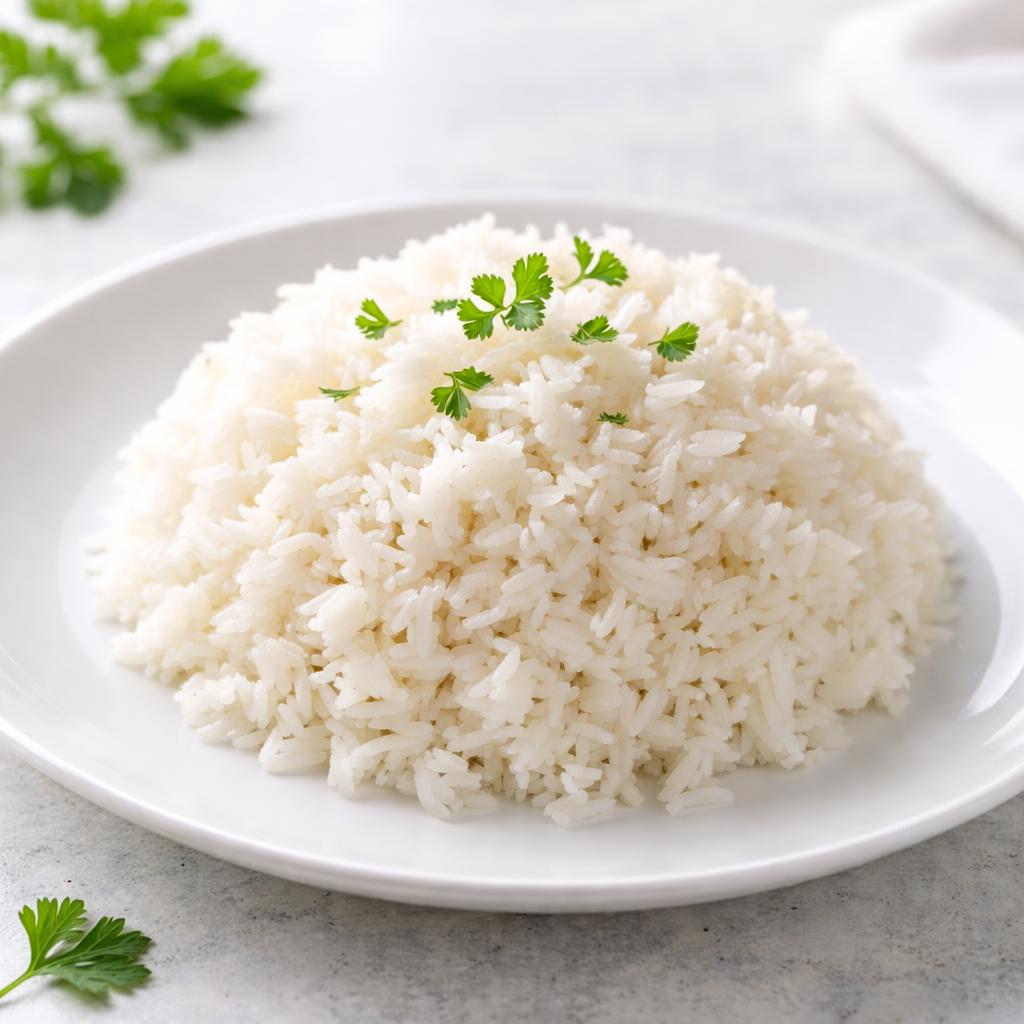
White Rice
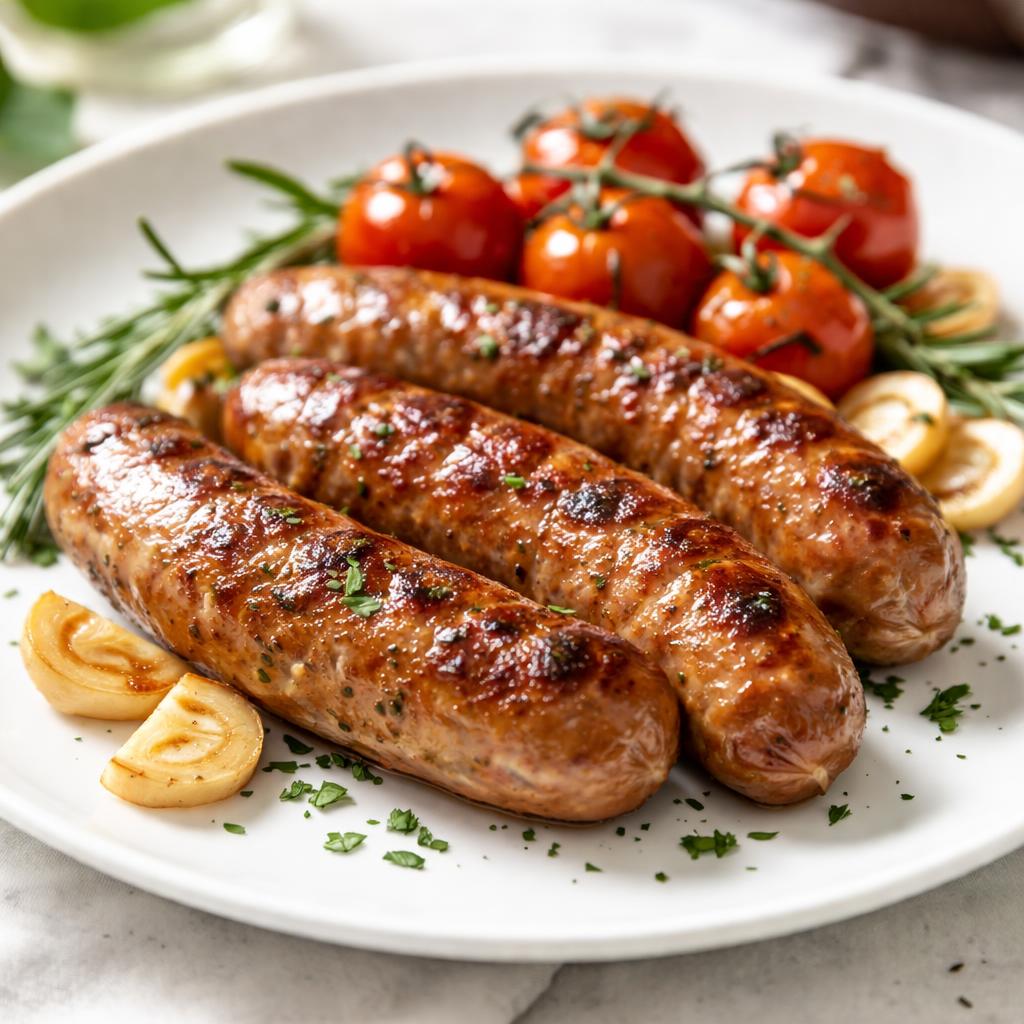
Italian Sausage
🎯 Quick Verdict
White rice is a low-fat, low-protein food with higher carbohydrates, making it ideal for quick energy. Italian sausage is rich in protein and fat, providing sustained energy and supporting muscle maintenance, but is also higher in calories. Choose white rice for a simple carbohydrate source and Italian sausage for protein-rich meals or ketogenic diets.

Smart Nutrition Tracking with SnapCalorie

📊 Nutritional Comparison
Macronutrients
| Nutrient | Food 1 | Food 2 | Winner |
|---|---|---|---|
| Calories | 130 kcal (per 100g) | 346 kcal (per 100g) | ✓ |
| Protein | 2.7g (per 100g) | 15.3g (per 100g) | ✓ |
| Carbs | 28.2g (per 100g) | 1.9g (per 100g) | ✓ |
| Fat | 0.3g (per 100g) | 30.1g (per 100g) | ✓ |
| Fiber | 0.4g (per 100g) | 0g (per 100g) | ✓ |
Vitamins & Minerals
| Nutrient | Food 1 | Food 2 | Winner |
|---|---|---|---|
| Vitamin D | 0mcg | 1.5mcg | ✓ |
| Calcium | 10mg | 21mg | ✓ |
| Iron | 0.2mg | 1mg | ✓ |
🏆 Category Winners
Protein
Italian sausage provides 466% more protein than white rice.
Fiber
White rice contains fiber while Italian sausage does not.
Calories
White rice has 62% fewer calories than Italian sausage.
Vitamins
Italian sausage is a better source of Vitamin D, Calcium, and Iron.
🥗 Diet Compatibility
Keto
Food 1: Not Compatible
Food 2: Compatible
Italian sausage is low-carb, high-fat.
Vegan
Food 1: Compatible
Food 2: Not Compatible
White rice is plant-based while Italian sausage contains meat.
Gluten Free
Food 1: Compatible
Food 2: Compatible
Neither food contains gluten.
Paleo
Food 1: Not Compatible
Food 2: Compatible
Italian sausage fits paleo guidelines due to its protein and fat content.
Low Carb
Food 1: Not Compatible
Food 2: Compatible
White rice has high carbohydrate content compared to Italian sausage.
💪 Health Benefits Comparison
Food 1 Benefits
- Provides quick energy from carbohydrates
- Low-fat, low-protein option for light meals
- Gluten-free and easily digestible
Food 2 Benefits
- Rich in protein for muscle maintenance
- High in fat for sustained energy and satiety
- Contains essential vitamins like Vitamin D and Iron
✅ The Bottom Line
White rice is best for individuals needing a quick energy source, light meals, or a gluten-free grain option. Italian sausage excels in protein and fat, making it ideal for those following ketogenic or paleo diets, or needing a calorie-dense protein source.
Choose Food 1 for: Quick energy, gluten-free diets, carbohydrate refueling
Choose Food 2 for: Ketogenic diets, muscle building, calorie-dense meals


