White Rice VS Ham
A detailed nutritional comparison
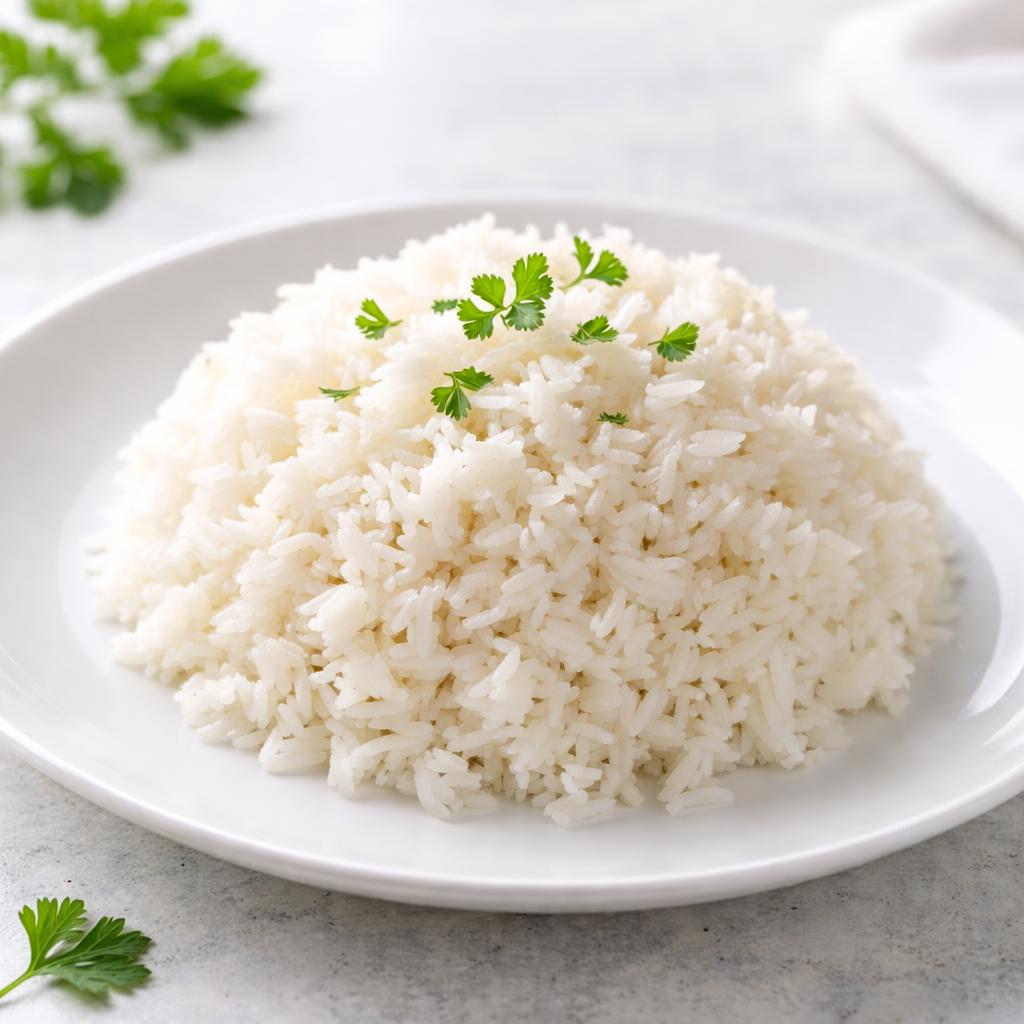
White Rice
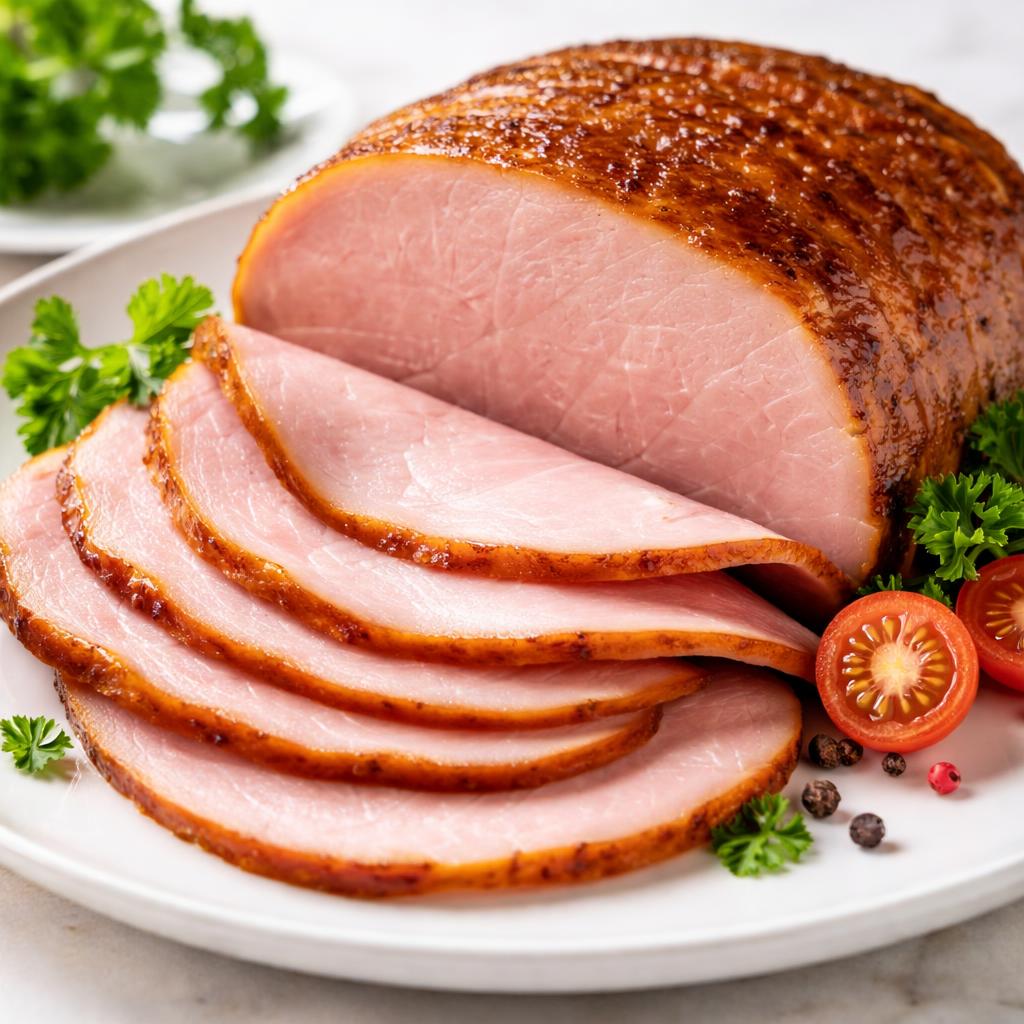
Ham
🎯 Quick Verdict
White rice is a carb-focused food, lower in calories and offering some dietary fiber, making it better for energy replenishment after endurance activities. Ham, in contrast, is higher in protein with sodium and fat, making it ideal for muscle repair but less suitable for low-sodium diets. The choice depends largely on your dietary goals and restrictions.

Smart Nutrition Tracking with SnapCalorie

📊 Nutritional Comparison
Macronutrients
| Nutrient | Food 1 | Food 2 | Winner |
|---|---|---|---|
| Calories | 130 per cup (cooked) | 150 per 3 oz slice | ✓ |
| Protein | 2.7g | 19g | ✓ |
| Carbs | 28.2g | 0g | ✓ |
| Fat | 0.3g | 7g | ✓ |
| Fiber | 0.4g | 0g | ✓ |
Vitamins & Minerals
| Nutrient | Food 1 | Food 2 | Winner |
|---|---|---|---|
| Iron | 0.2mg | 0.8mg | ✓ |
| Potassium | 35mg | 243mg | ✓ |
| Sodium | 0mg | 1000mg | ✓ |
🏆 Category Winners
Protein
Ham has significantly more protein, nearly 7x more than white rice per serving.
Fiber
White rice contains dietary fiber, whereas ham does not.
Calories
White rice is slightly lower in calories compared to ham.
Vitamins
Ham is richer in key minerals like potassium and iron, but it's very high in sodium.
🥗 Diet Compatibility
Keto
Food 1: Not Compatible
Food 2: Compatible
Ham is low-carb, while white rice is carb-heavy.
Vegan
Food 1: Compatible
Food 2: Not Compatible
White rice is plant-based, whereas ham is an animal product.
Gluten Free
Food 1: Compatible
Food 2: Compatible
Both foods are naturally gluten-free.
Paleo
Food 1: Not Compatible
Food 2: Compatible
Ham aligns with paleo principles, while white rice does not due to its grain content.
Low Carb
Food 1: Not Compatible
Food 2: Compatible
Ham has no carbs, while white rice is carb-dense.
💪 Health Benefits Comparison
Food 1 Benefits
- Good source of quick-digesting carbohydrates for energy.
- Low in fat, making it suitable for low-fat diets.
- Contains small amounts of fiber for digestive health.
Food 2 Benefits
- High protein content supports muscle repair and growth.
- Rich in potassium, which aids in heart and muscle function.
- Provides iron, essential for red blood cell production.
✅ The Bottom Line
If you're looking for a high-protein, low-carb option, ham is the clear winner, especially for muscle repair and keto diets. For energy or vegan-friendly needs, white rice is a better pick due to its carbohydrate content and plant-based nature. Consider the significant sodium in ham if you're on a low-sodium diet.
Choose Food 1 for: Endurance activities, quick energy needs, plant-based diets
Choose Food 2 for: Muscle repair, keto diets, high-protein needs


