White Rice VS Grilled Salmon
A detailed nutritional comparison
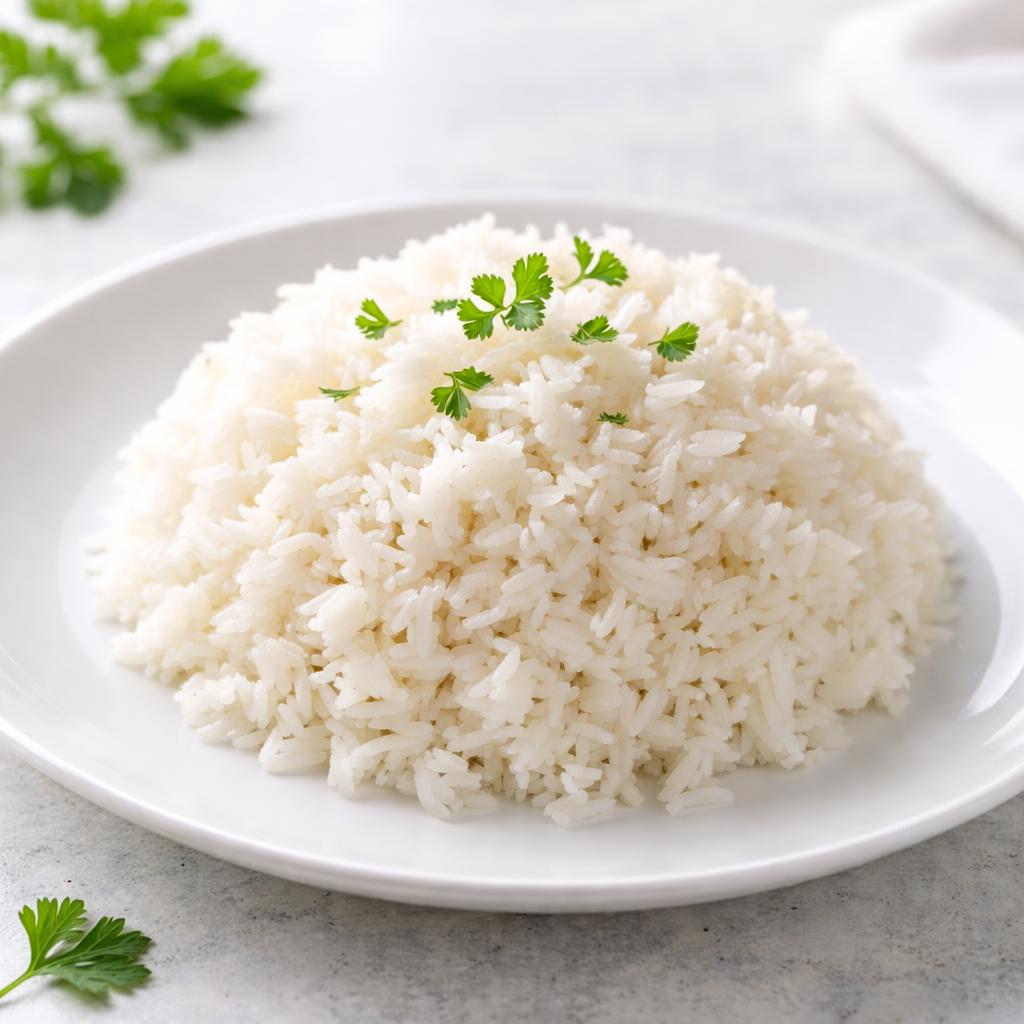
White Rice
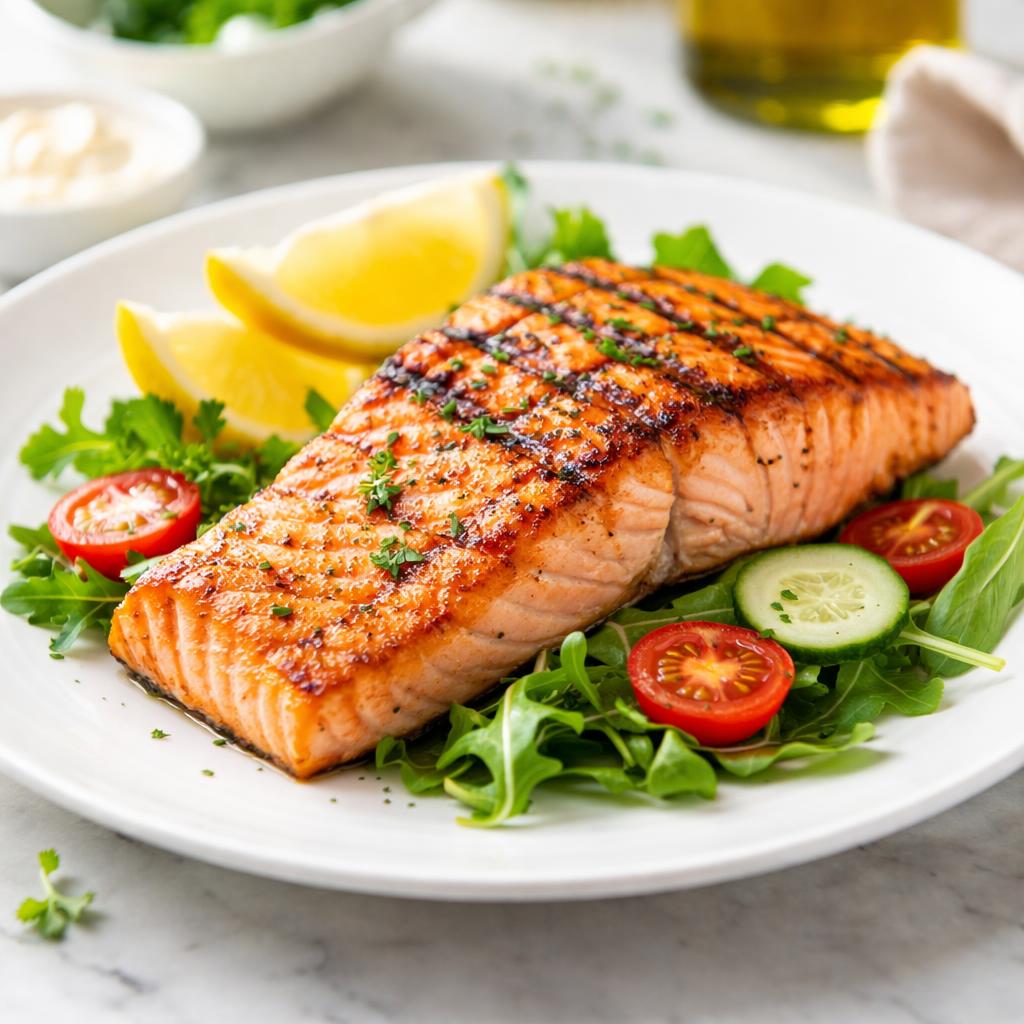
Grilled Salmon
🎯 Quick Verdict
Grilled salmon is nutrient-dense, rich in protein, omega-3 fatty acids, and several essential vitamins, making it superior overall compared to white rice. White rice, while lower in calories, is primarily a source of carbohydrates and lacks significant micronutrients, and is best for providing quick energy rather than sustained nutrition.

Smart Nutrition Tracking with SnapCalorie

📊 Nutritional Comparison
Macronutrients
| Nutrient | Food 1 | Food 2 | Winner |
|---|---|---|---|
| Calories | 150 (per 1 cup cooked) | 206 (per 3 oz) | ✓ |
| Protein | 4g | 22g | ✓ |
| Carbs | 33g | 0g | ✓ |
| Fat | 0g | 13g | ✓ |
| Fiber | 0g | 0g | − |
Vitamins & Minerals
| Nutrient | Food 1 | Food 2 | Winner |
|---|---|---|---|
| Vitamin D | 0mcg | 10mcg | ✓ |
| Calcium | 10mg | 12mg | ✓ |
| Iron | 0.4mg | 0.5mg | ✓ |
| Omega-3 Fatty Acids | 0g | 1.5g | ✓ |
🏆 Category Winners
Protein
Grilled salmon offers over 5 times the protein of white rice per serving.
Fiber
Neither white rice nor grilled salmon provides dietary fiber.
Calories
White rice has ~27% fewer calories per serving.
Vitamins
Grilled salmon is an excellent source of essential vitamins like D and omega-3s.
🥗 Diet Compatibility
Keto
Food 1: Not Compatible
Food 2: Compatible
Grilled salmon is low-carb, while white rice is high-carb.
Vegan
Food 1: Compatible
Food 2: Not Compatible
White rice is plant-based, while salmon is animal-derived.
Gluten Free
Food 1: Compatible
Food 2: Compatible
Neither contains gluten.
Paleo
Food 1: Not Compatible
Food 2: Compatible
Grilled salmon aligns with paleo principles; white rice does not.
Low-Carb
Food 1: Not Compatible
Food 2: Compatible
White rice is high in carbs, making it unsuitable for low-carb diets.
💪 Health Benefits Comparison
Food 1 Benefits
- Provides quick and easily digestible energy
- Low-fat and naturally gluten-free
- Can serve as a blank canvas for nutrient-rich add-ons
Food 2 Benefits
- Rich in protein to promote muscle repair
- High in omega-3 fatty acids to support heart and brain health
- Excellent source of vitamin D for bone health
- Contains anti-inflammatory nutrients
✅ The Bottom Line
Grilled salmon is the better choice for nutrient density, high protein, and healthy fats, ideal for building lean muscle, heart health, and sustainable energy. White rice is suitable for those seeking quick, easily digestible carbs without added fats, making it a good side dish or pre-workout energy boost.
Choose Food 1 for: Pre-workout meals, energy for active individuals, simple carbs with minimal fat
Choose Food 2 for: Weight maintenance, lean muscle growth, overall well-rounded nutrition


